


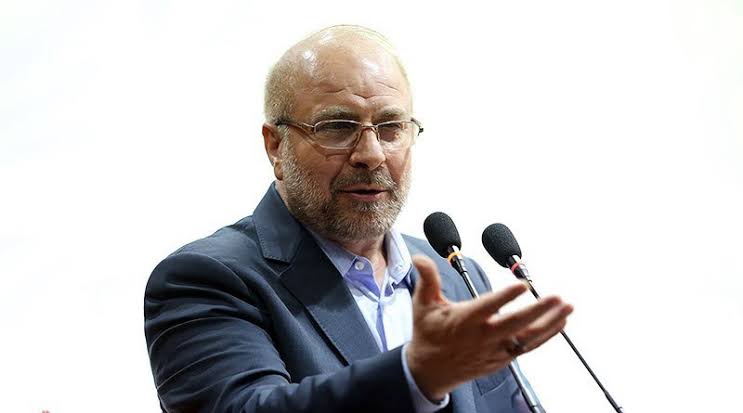

Tensions between Iran and the United States have escalated significantly, with Iran’s chief negotiator and parliamentary speaker, Mohammad Baqer Ghalibaf, accusing former US President Donald Trump of sabotaging diplomatic efforts through threats. Ghalibaf maintained that Iran would not engage in negotiations that are influenced by pressure tactics. In a post on X, he claimed that the US was attempting to transform negotiations into a platform for surrender.
ترامپ با اعمال محاصره و نقض آتشبس میخواهد تا به خیال خود این میز مذاکره را به میز تسلیم تبدیل کند یا جنگافروزی مجدد را موجّه سازد.
مذاکره زیر سایهٔ تهدید را نمیپذیریم و در دو هفتهٔ اخیر برای رو کردن کارتهای جدید در میدان نبرد آماده شدهایم.— محمدباقر قالیباف | MB Ghalibaf (@mb_ghalibaf) April 20, 2026
Furthermore, Ghalibaf issued a warning that if tensions escalate, Iran is prepared to introduce “new cards on the battlefield.” His comments come in light of Trump’s stern reminder regarding the approaching April 22 deadline for a fragile two-week ceasefire, an agreement which has been crucial in mitigating direct conflicts between the two countries.
Concerns Surrounding Upcoming Negotiations
The US president expressed considerable uncertainty regarding Iran’s commitment to attend the negotiations scheduled to take place in Islamabad. While both parties have ostensibly agreed to participate, Trump indicated that Iran’s representation at the talks could not be guaranteed. He stated that the US delegation is ready to proceed irrespective of Tehran’s involvement, indicating a willingness to explore different diplomatic paths depending on the outcome of negotiations.
This diplomatic standoff unfolds against a backdrop of significant discord over Iran’s nuclear programme and persistent disruptions in the Strait of Hormuz, a vital route for global energy supplies. Although the temporary truce has effectively halted direct hostilities, an overarching sense of mistrust continues to simmer, complicating the diplomatic landscape.
Reports from Iranian state media hinted at a potential absence of Iranian representatives during the upcoming sessions, citing excessive demands and inconsistent positions allegedly put forth by Washington. This hints at the growing frustration Iran feels regarding the negotiation processes.
Iran’s Leadership Asserts Firm Stance Against US Pressure
Iranian President Masoud Pezeshkian has publicly reaffirmed Tehran’s refusal to succumb to US pressure tactics, noting that deeply ingrained mistrust remains a significant barrier to productive dialogue between the two nations. In a statement on X, Pezeshkian emphasised the necessity of adhering to commitments for any negotiations to be deemed meaningful. He accused the US of sending conflicting and unconstructive messages over recent days, suggesting that they might reflect an attempt to coerce Iran into submission.
پایبندی به تعهدات منطق موجه هر نوع گفتگوست. علاوه بر بیاعتمادی تاریخی عمیقی که در ایران نسبت به پیشینه رفتار و عملکرد دولت آمریکا وجود دارد، رویکرد غیرسازنده و متناقض مسئولین آمریکا در روزهای اخیر حاوی یک پیام تلخ است: آنها خواهان تسلیم ایرانند. مردم ایران زیر بار زور نمیروند. https://t.co/JCbZM63sdH
— Masoud Pezeshkian (@drpezeshkian) April 20, 2026