


Indus Waters Treaty Fallout as Nearly One Third of Pakistan Faces Water Crisis
The CSR Journal Magazine

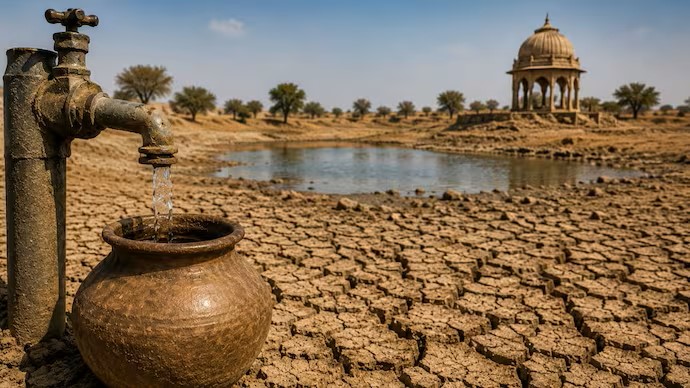
The ongoing water crisis in Pakistan has significantly affected nearly thirty per cent of the country, particularly in the Sindh and Balochistan provinces. Reports indicate that these regions are experiencing severe shortages of water for both drinking and agricultural purposes. Local farmers and residents have expressed concerns about diminishing water supplies from key rivers, which have traditionally supported their livelihoods and sustenance.

The situation has been exacerbated by a combination of factors, including changing climatic conditions and increased water demand. Sindh, which has historically relied on the Indus River, is witnessing drastic reductions in water flow, leading to a negative impact on crop yields. Balochistan, primarily dependent on rainfall and surface water, has also recorded alarming drops in water availability, further straining the communities in the area.

As the crisis deepens, provincial governments are under pressure to implement measures aimed at water conservation and management. However, the scale of the challenge presents numerous difficulties, particularly in addressing the immediate needs of affected populations.

Government Response and Efforts

In response to the ongoing water difficulties, the government of Pakistan has initiated emergency meetings to address the crisis. Officials have discussed possible solutions, including the construction of new reservoirs and the promotion of efficient irrigation technologies. Recommendations for better water management practices have also been made to help optimise existing resources.

However, these efforts face challenges in terms of funding and resources. The nation’s financial constraints may hinder the implementation of proposed solutions. Moreover, inter-provincial disagreements regarding water rights and distribution may complicate collaborative efforts to alleviate the situation.

Several non-governmental organisations have stepped in to assist communities grappling with water scarcity, providing support in the form of water purification systems and education on water conservation practices. The contribution from these organisations has been crucial in mitigating the immediate detrimental effects of the crisis on daily life and health in the affected areas.

International Implications and Future Outlook

The ongoing water crisis in Pakistan also raises questions about the implications for regional stability and international relations, particularly concerning the Indus Waters Treaty. The treaty, established in 1960, governs the sharing of water resources between India and Pakistan. As tensions rise over water access, there is concern that this situation may lead to further diplomatic strain between the two nations.

Experts have highlighted that renewed dialogue around the treaty may be essential to address the issues arising from decreasing water availability. Ensuring equitable distribution of water resources will be critical in fostering cooperation and minimising conflict in the region. Negotiations that focus on adaptive strategies in water management and revised allocations may be needed to alleviate the ongoing pressure on both countries.

In summary, the water crisis affecting Sindh and Balochistan highlights a significant challenge for Pakistan, with implications that extend beyond domestic borders. As local communities continue to feel the impact of climate change and resource management issues, the focus must shift towards sustainable solutions that protect both people and the environment in the long term.

Long or Short, get news the way you like. No ads. No redirections. Download Newspin and Stay Alert, The CSR Journal Mobile app, for fast, crisp, clean updates!

App Store –  https://apps.apple.com/in/app/newspin/id6746449540 

Google Play Store – https://play.google.com/store/apps/details?id=com.inventifweb.newspin&pcampaignid=web_share

Latest News

Popular Videos
