


India’s First Bullet Train Project Set to Begin Phased Operations in 2027
The CSR Journal Magazine

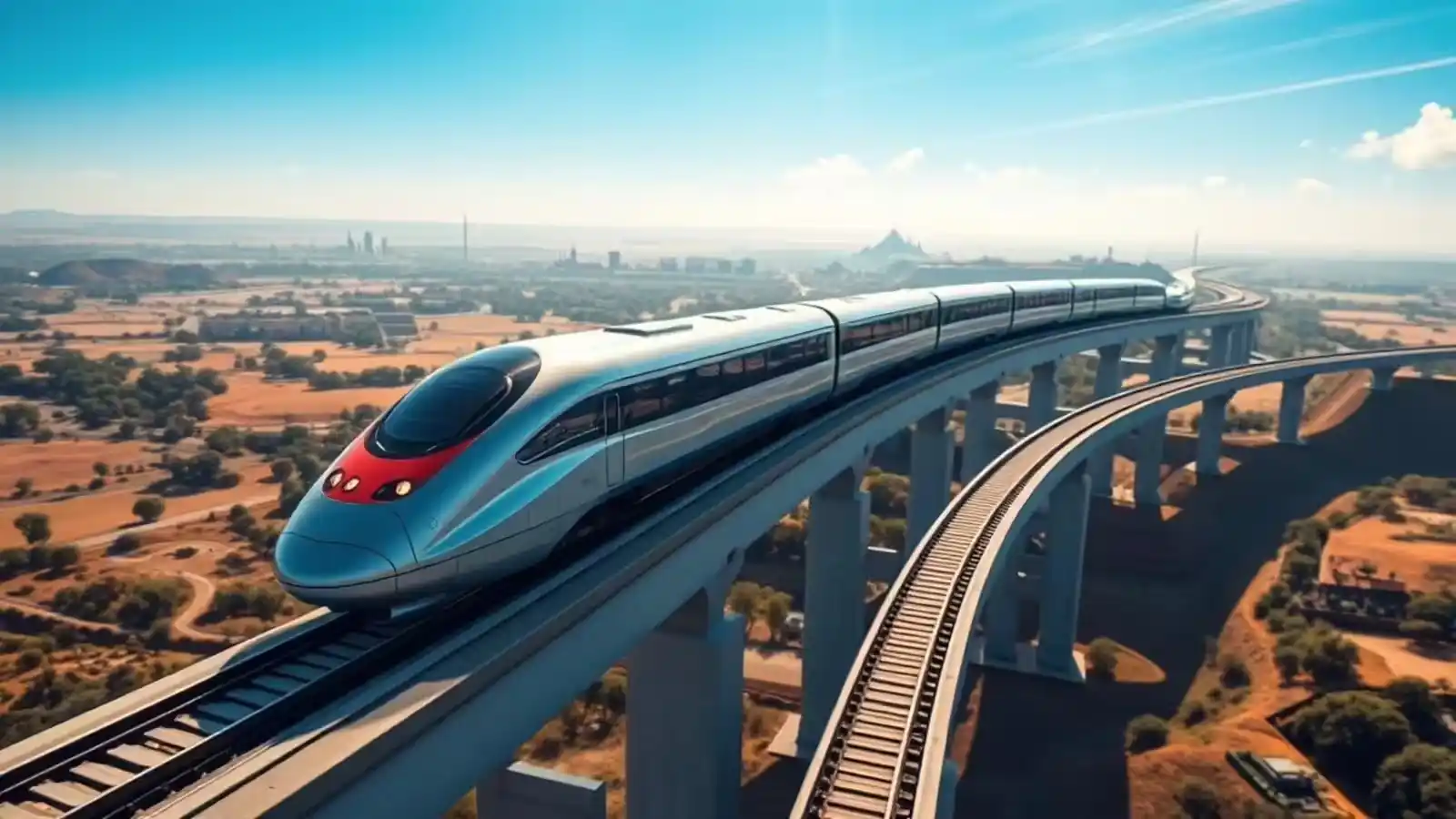
The first operational segment of India’s inaugural bullet train project is expected to commence in 2027. Union Railway Minister Ashwini Vaishnaw announced this at the HYSEA GCCS & IT Roundtable event held in Hyderabad on Saturday, confirming the rapid advancement of the initiative. The initial stretch will connect Surat and Bilimora in Gujarat, marking a significant milestone in the Mumbai-Ahmedabad high-speed rail corridor.

Vaishnaw elaborated that the subsequent phases will be delivered in a systematic manner, starting with the Vapi-Surat section, then progressing to Vapi-Ahmedabad, Ahmedabad-Thane, and ultimately Ahmedabad-Mumbai. This phased approach aims to gradually establish a comprehensive high-speed rail network in India.

Economic Impact and Connectivity Enhancement

The minister underscored the project’s potential to enhance regional connectivity and stimulate economic integration across various states. He indicated that India has acquired significant expertise in constructing bullet trains, signifying a leap in the country’s infrastructural capabilities. The expansion of high-speed rail infrastructure is expected to yield substantial benefits across the urban landscape, supporting the economic vitality of the regions involved.

Part of the government’s broader vision includes the establishment of three new high-speed corridors connecting Hyderabad with Pune, Chennai, and Bengaluru. Vaishnaw stated that these corridors would redefine Hyderabad’s role as a pivotal high-speed rail hub, bolstering economic relations between western and southern India.

For example, the proposed Mumbai-Pune bullet train corridor is anticipated to slash travel time between the two cities to a mere 48 minutes. In addition, the nearly 500-kilometre connection between Pune and Hyderabad will reportedly take approximately two hours and eight minutes, showcasing the efficiency that high-speed rail can offer.

Ongoing Infrastructure Developments and Investments

Vaishnaw provided an update on railway infrastructure initiatives, detailing that 261 railway stations nationwide have undergone redevelopment through the Centre’s “Nav-Nirmaan” programme. He specifically mentioned progress at the Secunderabad railway station, where enhancements are being made while ensuring safety and quality during active train operations. A substantial air concourse is also being constructed above the platforms to improve passenger experience.

Additionally, the minister highlighted the government’s investments in Telangana, noting that the state has reaped benefits from initiatives aimed at boosting electronics manufacturing. The railway budget allocated to Telangana amounts to Rs 5,400 crore, facilitating significant infrastructure development that will enhance the region’s connectivity further.

Overall, the continuous investment in high-speed rail and railway station redevelopment underlines the commitment of the Indian government to modernise its transport infrastructure. This systematic approach not only aims to reduce travel times across states but also seeks to create an integrated economic ecosystem across major urban centres in India.

Long or Short, get news the way you like. No ads. No redirections. Download Newspin and Stay Alert, The CSR Journal Mobile app, for fast, crisp, clean updates!

App Store –  https://apps.apple.com/in/app/newspin/id6746449540 

Google Play Store – https://play.google.com/store/apps/details?id=com.inventifweb.newspin&pcampaignid=web_share

Latest News

Popular Videos
