


India’s ‘Bhut Jolokia’ Recognised as One of the Hottest Chillies Globally
The CSR Journal Magazine

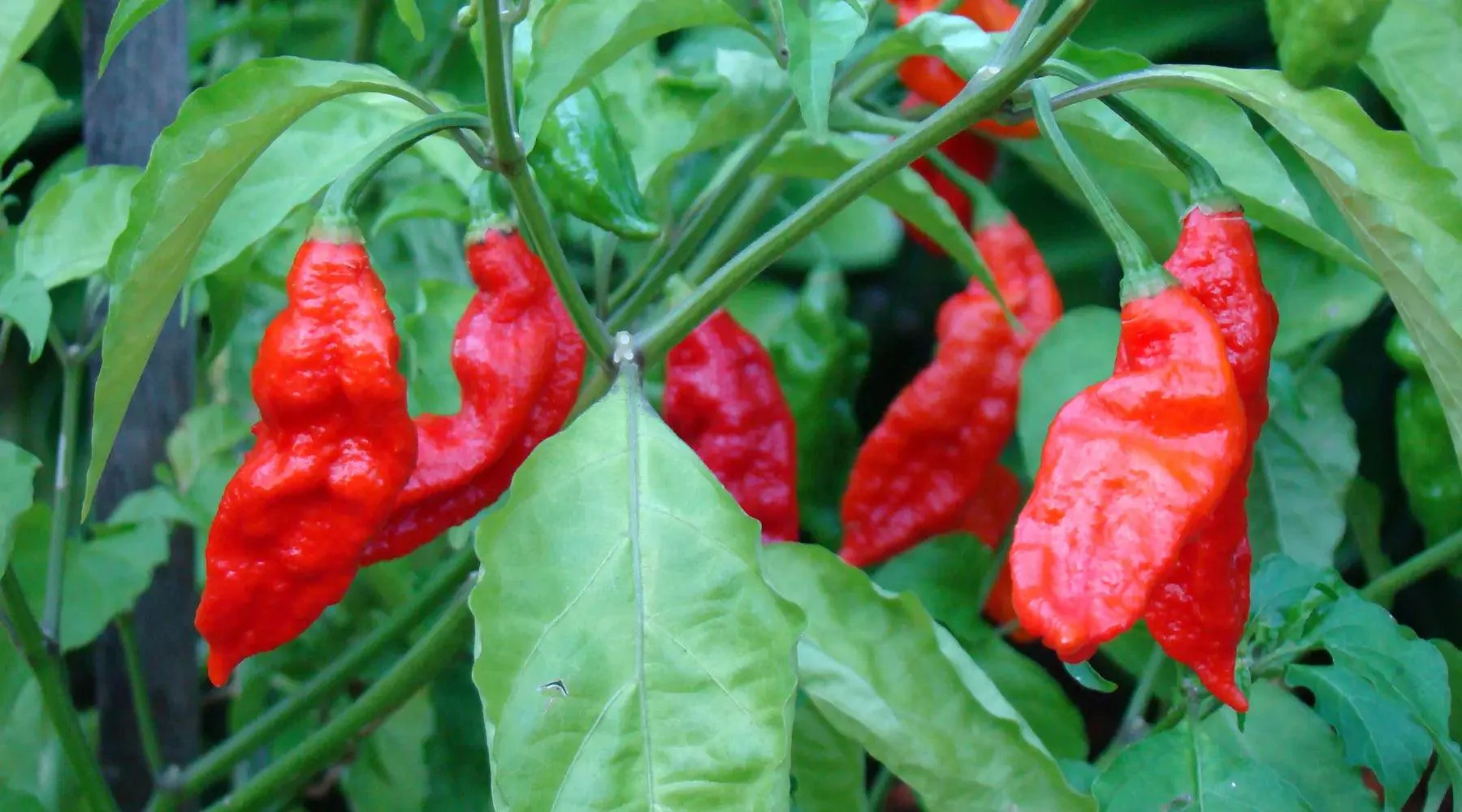
Bhut Jolokia, widely known as the ghost chilli, is primarily cultivated in Assam and various parts of North East India. The chilli flourishes particularly well in Assam, where the warm and humid climate provides optimal growing conditions. Besides Assam, it is also grown in states such as Nagaland, Manipur, and Arunachal Pradesh, each of which has its own local names for the chilli, including Bih Jolokia and Naga Jolokia.

Due to the local agricultural practices and suitable geographical conditions, Assamese farmers have long been engaged in the cultivation of Bhut Jolokia. The spice has deep-rooted cultural significance within the region, where it is celebrated for both its culinary and traditional uses.

The cultivation and popularity of Bhut Jolokia have led to its recognition not just in India but across the world, as it draws attention from food enthusiasts and researchers fascinated by its unique characteristics.

Scoville Heat Measurement and Global Standing

Bhut Jolokia is notable for its overwhelming heat, measuring over one million Scoville Heat Units (SHU). This categorises it among the world’s spiciest chillies. It gained international fame when it was recognised by Guinness World Records as the hottest chilli in 2007. Although it has since been surpassed by newer varieties such as the Carolina Reaper and Pepper X, its rank among the hottest chillies remains prominent.

This extreme heat has made Bhut Jolokia a subject of interest not only for culinary experimentation but also for scientific research. Its unique properties are often studied to assess how they could be applied in various domains, including cuisine and safety equipment.

The continuing fascination with Bhut Jolokia signifies its importance in the landscape of global chilli varieties. It remains a popular choice for those seeking a strong flavour profile in their meals.

Culinary Applications and Beyond

In North East India, Bhut Jolokia is much more than just a spice; it plays a vital role in regional cuisine. Locals incorporate it into various dishes, including pickles, chutneys, curries, and meat dishes. Due to its intense heat, it is often used sparingly, making a little amount go a long way in enhancing the flavour of meals.

Many households in the region preserve Bhut Jolokia in mustard oil, allowing them to enjoy its fiery taste throughout the year. This preservation method reflects its integral role in local culture and dining practices.

Furthermore, Bhut Jolokia’s applications extend beyond the kitchen. Researchers are exploring its capsaicin-rich properties for potential use in pepper sprays and other non-lethal defence tools. Locally, it has been traditionally used to deter wild elephants from encroaching on villages, showcasing its diverse utility.

For travellers and spice enthusiasts, Bhut Jolokia serves as a culinary attraction. Its smoky flavour and distinctive heat have made it an essential element of Assam’s food culture and one of India’s most recognised agricultural products, inviting exploration and appreciation from all who encounter it.

Long or Short, get news the way you like. No ads. No redirections. Download Newspin and Stay Alert, The CSR Journal Mobile app, for fast, crisp, clean updates!

App Store –  https://apps.apple.com/in/app/newspin/id6746449540 

Google Play Store – https://play.google.com/store/apps/details?id=com.inventifweb.newspin&pcampaignid=web_share

Latest News

Popular Videos
