


India Played A Key Role In Transforming The Global Energy Landscape In 2025
The CSR Journal Magazine

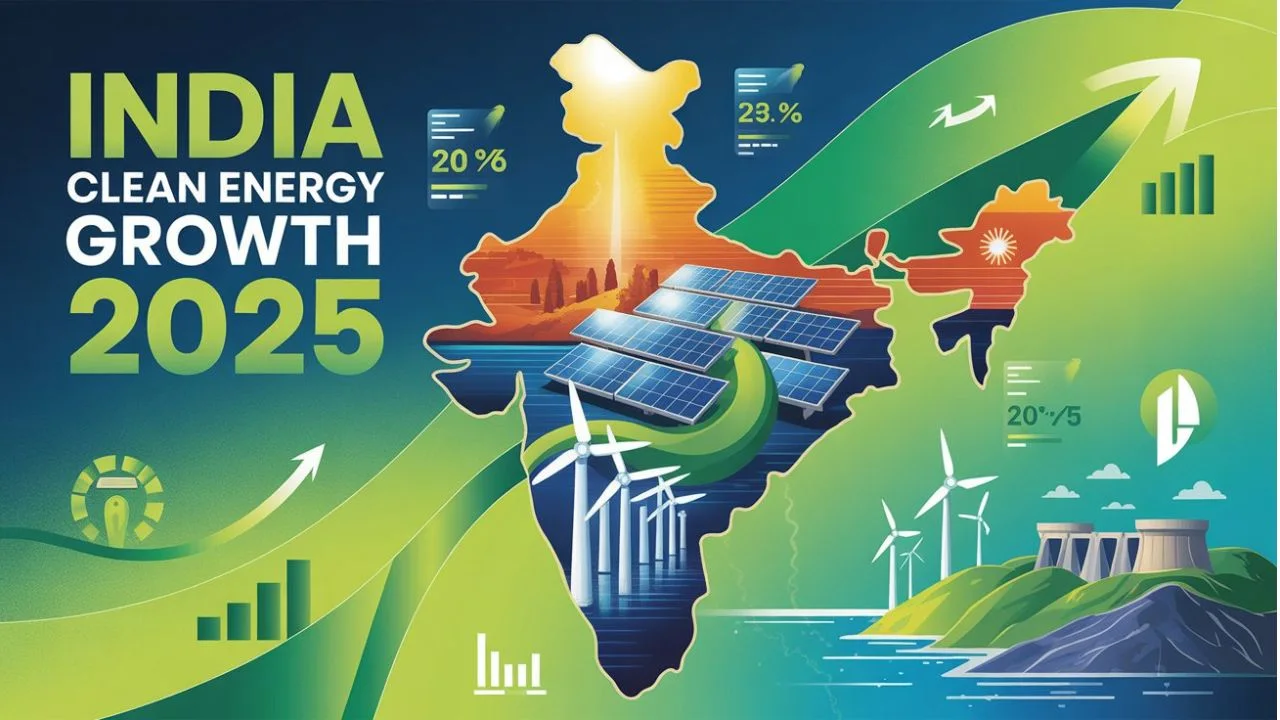
India’s actions in 2025 significantly advanced the global transition to renewable energy. Historically, the nation has relied heavily on coal to fuel its growing economy. However, recent developments suggest a marked change in this pattern. A report from Ember, a prominent global energy research organisation, highlights that clean energy generation outpaced traditional fossil fuel use, underlining a pivotal moment in energy history.

In 2025, clean power generation surged by 887 terawatt hours, surpassing global electricity demand growth, which rose by 849 terawatt hours. This notable increase signifies that the world met its new electricity demands entirely through clean energy, achieving a significant milestone with no additional coal consumption.

India’s Contributions And Milestones

India’s contributions to renewable energy were especially impressive in 2025. The country experienced record levels of solar and wind energy production. Concurrently, hydroelectric output remained robust while the demand for electricity grew at a slower pace than previously. As a result, fossil fuel generation declined by 52 terawatt hours, setting a new precedent for the nation.

Following four consecutive years of increased fossil fuel use following the COVID-19 pandemic, 2025 marked a genuine turning point. India emerged as the fourth-largest clean electricity generator worldwide, surpassing both France and Canada. Solar energy alone now accounts for nearly 10 per cent of India’s total electricity supply.

In terms of capacity growth, India’s renewable sector saw an impressive rise of nearly 60 per cent, the fastest among major markets. In a significant achievement, the country reached the milestone of generating 50 per cent of its cumulative electric power from non-fossil sources in June 2025, five years ahead of its target for 2030. This ambitious goal includes plans to establish 500 gigawatts of non-fossil energy capacity by 2030.

Global Implications Of India’s Energy Transition

The shift in India and China has played a crucial role in driving down global fossil fuel dependency. According to Nicolas Fulghum, Ember’s lead analyst, the energy landscape is undergoing a transformation where increased electricity demand no longer equates to higher fossil generation. This marks a significant change from previous decades, creating renewed potential for sustainable energy development.

Fulghum noted that while milestones indicating the rise of renewable sources overtaking coal are important, they alone do not encapsulate the entire narrative of the power sector. Unlike years past when government pledges felt less credible, current commitments to expand renewable energy are viewed with greater optimism.

Despite this progress, fossil fuels still account for around 73 per cent of India’s electricity generation. The country faces challenges related to grid flexibility and the continuation of existing coal plant contracts. Nevertheless, India’s dedicated path towards renewable energy is evident and may inspire similar initiatives worldwide as nations strive to prevent ecological crises.

Long or Short, get news the way you like. No ads. No redirections. Download Newspin and Stay Alert, The CSR Journal Mobile app, for fast, crisp, clean updates!

App Store –  https://apps.apple.com/in/app/newspin/id6746449540 

Google Play Store – https://play.google.com/store/apps/details?id=com.inventifweb.newspin&pcampaignid=web_share

Latest News

Popular Videos
