


Islamabad Businesses Mandated to Close by 8 PM Amid Energy Challenges
The CSR Journal Magazine

Following a recent directive from Pakistani authorities, businesses in Islamabad are now required to close by 8 PM starting Monday, June 1, 2026. This measure is part of the government’s broader austerity programme driven by increasing strain on energy supplies, largely attributed to the ongoing conflict in West Asia. The announcement was made via social media by the District Administration, led by Deputy Commissioner Irfan Memon.

According to the announcement, while markets, shops, and shopping malls must cease operations at 8 PM, certain establishments, including restaurants, grocery stores, and bakeries, are permitted to remain open until 10 PM. Additionally, marriage halls and event venues will also close by 10 PM.

The restrictions are applicable throughout the week and extend to events held in private venues. However, essential services like pharmacies, hospitals, petrol stations, dairy shops, and IT companies servicing international clients are exempt from these new operating hours.

Response from Business Community

The implementation of these revised timings follows an announcement made late at night by the district magistrate of Islamabad Capital Territory, effectively reinstating earlier restrictions that had been relaxed briefly before the Eid festival on May 27. During that time, business owners had requested extended hours, citing the need for economic stability during festive periods.

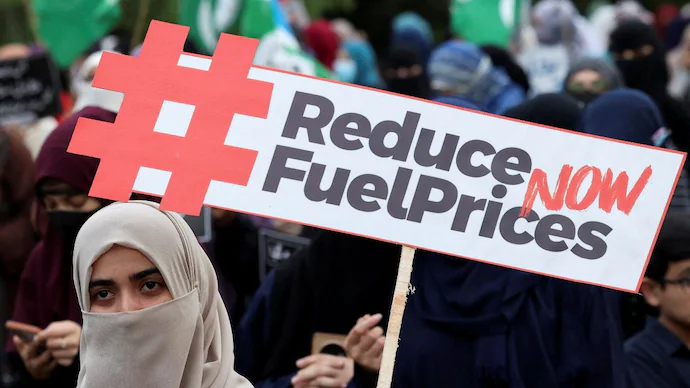
Originally, the government had introduced these early closing times in March as a response to rising fuel prices due to heightened geopolitical tensions, particularly following a US attack on Iran. The government’s aim was to conserve electricity by encouraging earlier trade hours. However, business owners, whose operations typically begin around midday and extend late into the evening, generally oppose the enforcement of early closures.

Despite initial cooperation from the business community when the measures were introduced, the demand for later operating hours ahead of Eid resulted in temporary concessions from both federal and provincial governments. The reimposition of the 8 PM closing time marks a return to previous restrictions as authorities attempt to manage energy consumption amidst pressures on supply.

Future Implications of the Curfew

The current restrictions are part of an ongoing effort by the Pakistani government to rationalise business timings and encourage the use of natural light during operational hours, rather than relying on costly electricity. Officials hope that these measures will lead to improved energy use and help alleviate some of the financial burdens on the country’s energy resources.

The government may face continued backlash from business owners who argue that earlier closures limit their ability to generate revenue, especially when their primary customer footfall occurs later in the day. Industry stakeholders are anticipated to voice their concerns as the government seeks to balance energy conservation efforts with the economic realities faced by local businesses.

As this situation develops, both federal and provincial leaders will be under pressure to find a compromise that satisfies operational needs while addressing the pressing energy crisis. The changing dynamics of the energy market and geopolitical events in the region will likely remain critical factors influencing future policies in Islamabad and beyond.

Long or Short, get news the way you like. No ads. No redirections. Download Newspin and Stay Alert, The CSR Journal Mobile app, for fast, crisp, clean updates!

App Store –  https://apps.apple.com/in/app/newspin/id6746449540 

Google Play Store – https://play.google.com/store/apps/details?id=com.inventifweb.newspin&pcampaignid=web_share

Latest News

Popular Videos
