


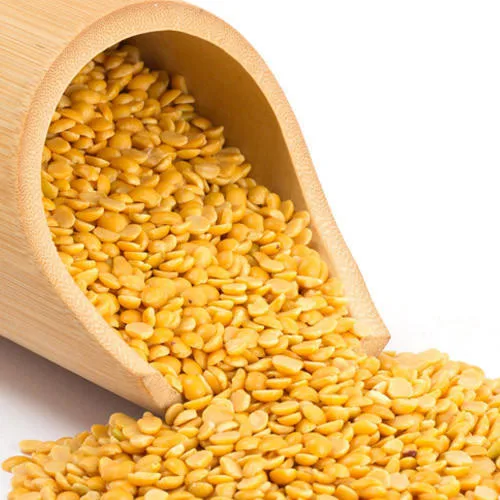

India Completes Full Sequencing of Arhar Dal or Pigeonpea Genome

The CSR Journal Magazine

Arhar dal, commonly referred to as pigeonpea or tur dal, is a staple in numerous Indian households. It is an essential source of protein for many vegetarians across the nation, surpassing most other crops in this regard. Pigeonpea stands as the sixth most significant grain legume globally, noted for its dual benefit: it nourishes both people and the soil. The crop enriches the soil by converting nitrogen from the air into a usable form, pulling up to 235 kilograms of nitrogen per hectare through its unique root structures.

On April 20, 2026, the Indian Council of Agricultural Research (ICAR) formally uploaded the complete genome of a pigeonpea variety known as Asha to a global scientific database. This marks a crucial milestone as it is the first instance where the entire genetic makeup of a pigeonpea has been comprehensively sequenced, with no gaps in the data.

Professor Nagendra K. Singh, who led the project at ICAR’s National Institute for Plant Biotechnology (NIPB), highlighted that the assembly is about 750 megabases (Mb) in size and is recognised as a global reference by the National Center for Biotechnology Information (NCBI).

Understanding The Genome Assembly Process

The genome serves as the definitive blueprint for the organism, with instructions contained in DNA structured with four nucleotide bases: adenine, thymine, guanine, and cytosine. The complete genome of pigeonpea consists of over 752 million nucleotide units, distributed across 11 chromosomes, which house the DNA. The process of reading and assembling this genome is akin to compiling a detailed recipe book for constructing a plant.

ICAR first attempted to sequence pigeonpea in 2011, producing a draft with significant gaps, only achieving 60 per cent of the genome coverage. This initial attempt lacked a proper chromosome-level organisation, which has now been rectified through advances in sequencing technology.

The newly completed genome encompasses all 11 chromosomes and includes all vital genetic landmarks, providing a comprehensive framework for researchers to conduct more precise analyses. Additionally, it contains annotations for over 36,000 genes, facilitating a clearer understanding of the functional roles these genes play within the plant.

Impact On Crop Breeding And Future Prospects

The significance of achieving a complete genome lies not in the quality of the arhar dal itself but in its potential to revolutionise the breeding process. Breeders can now pinpoint specific genes associated with desirable traits such as drought resistance and disease resilience, streamlining the development of new crop varieties.

Recent studies have already identified multiple DNA segments linked to various beneficial traits, allowing immediate utilisation in breeding programmes. This advancement signifies a substantial shift from traditional methods, which often relied on extensive trial and error over seasons.

Moreover, the complete genome opens avenues for genome editing. This technology allows for precision modifications to the plant’s DNA to enhance resilience and productivity. ICAR’s initiatives in gene editing, especially concerning pigeonpea, are expected to significantly increase disease resistance and improve yield.

While the completion of the genome represents a promising foundation, scientists acknowledge that translating this resource into improved varieties will require several years of research and field trials. The ultimate aim is to enhance both the nutritional value and affordability of arhar dal for consumers.

Long or Short, get news the way you like. No ads. No redirections. Download Newspin and Stay Alert, The CSR Journal Mobile app, for fast, crisp, clean updates!

App Store –  https://apps.apple.com/in/app/newspin/id6746449540 

Google Play Store – https://play.google.com/store/apps/details?id=com.inventifweb.newspin&pcampaignid=web_share

Latest News

Popular Videos