


Union Cabinet Approves Access-Controlled Guwahati-Tezpur Corridor of NH-15 in Assam
The CSR Journal Magazine

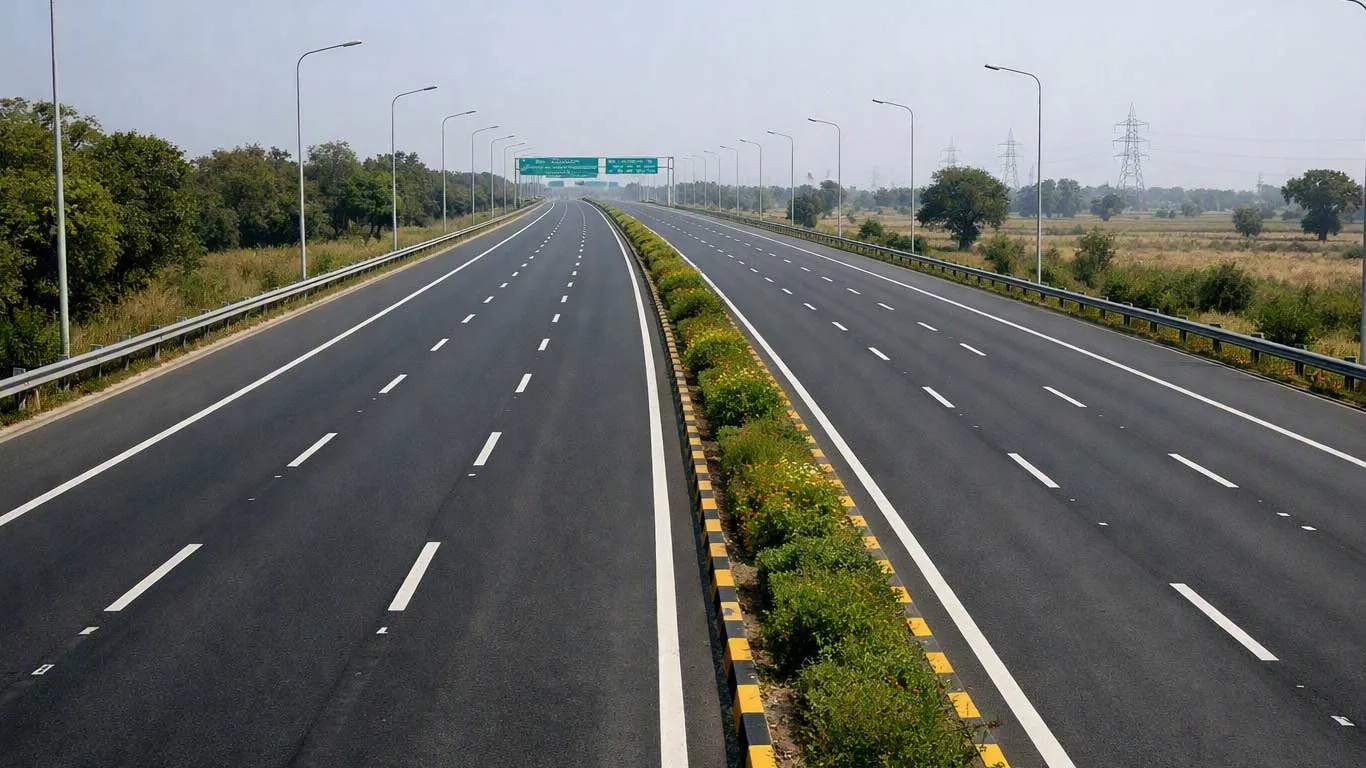
The Union Cabinet has approved the development of a 135.871 km, four-lane, access-controlled corridor from Guwahati to Tezpur on National Highway 15 (NH-15). This decision was reached during a meeting on August 6, chaired by Prime Minister Narendra Modi. The project is expected to significantly improve transportation in the region and is part of a broader infrastructure initiative.

Information and Broadcasting Minister Ashwini Vaishnaw informed the media about the project following the Cabinet’s meeting. It is to be executed under the Built-Operate-Transfer (BOT) toll mode, with a total capital investment of Rs. 8,970.20 crore. This financial allocation highlights the government’s commitment to infrastructural development across India.

The initiative aims to construct an Emergency Landing Facility (ELF) measuring 4.9 km in the Tezpur Bypass, a feature that has been finalised in collaboration with the Indian Air Force. The project is designed to alleviate congestion on the existing NH-27, which runs along the southern side of the Brahmaputra River, thereby facilitating smoother transit for vehicles.

Impact on Congestion in Densely Populated Areas

One of the key aspects of the Guwahati-Tezpur Corridor project is the construction of five major bypasses, collectively measuring 58.7 km. These bypasses are intended to ease traffic congestion in heavily populated areas such as Baihata Chariali, Sipajhar, Kharupetia, Dekiajuli, and Tezpur. By diverting through traffic away from urban centres, the project aims to enhance safety and improve travel times for commuters.

The corridor’s development is essential for promoting regional connectivity and ensuring smoother flow of goods and services. Enhanced infrastructure is expected to facilitate economic growth in Assam, ultimately benefiting local communities through improved access to markets and other essential services.

As the construction progresses, it will also create job opportunities within the local labour market. The project is seen as pivotal in supporting broader economic activities in the region, thus aligning with the government’s objectives for transportation and infrastructure development.

Approval of GOBARdhan National Circular Bioenergy Scheme

In a separate decision, the Union Cabinet also approved the GOBARdhan initiative, the National Circular Bioenergy Scheme, which comes with a substantial outlay of Rs. 23,731 crore. This scheme represents a significant moment in India’s journey towards cleaner energy solutions, targeting the transformation of agricultural residues, cattle dung, municipal organic waste, and other biomass into valuable resources.

Scheduled for implementation from the financial year 2026-27 through to 2035-36, GOBARdhan aims to establish Compressed Biogas (CBG) as a fundamental component of India’s future energy landscape. The scheme seeks to harness abundant biomass resources to produce clean fuel and organic manure, thereby contributing to rural income generation and economic development.

Through a framework that includes assured demand, stable pricing, and extensive capital assistance, GOBARdhan is positioned to stimulate the CBG sector at a national level. The initiative promises to facilitate technology development and infrastructure support necessary for scaling operations in the bioenergy sector significantly.

Long or Short, get news the way you like. No ads. No redirections. Download Newspin and Stay Alert, The CSR Journal Mobile app, for fast, crisp, clean updates!

App Store –  https://apps.apple.com/in/app/newspin/id6746449540 

Google Play Store – https://play.google.com/store/apps/details?id=com.inventifweb.newspin&pcampaignid=web_share

Latest News

Popular Videos
