


Himalayan Blueberry Rediscovered After 188 Years in Arunachal Pradesh
The CSR Journal Magazine

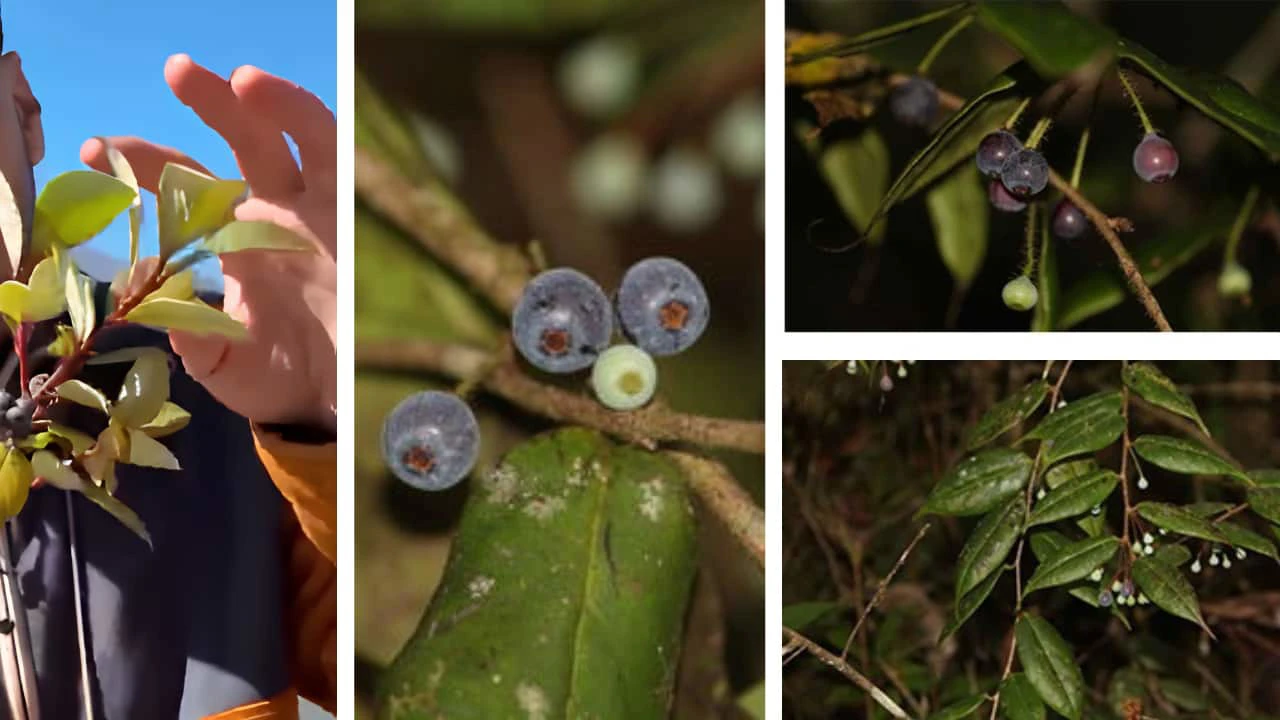
A remarkable rediscovery of a rare Himalayan plant species, lost to science for almost 188 years, has taken place in the secluded forests of Arunachal Pradesh. The species, known as Vaccinium piliferum, which is a wild relative of blueberries and cranberries, was found during field surveys conducted in the Vijoynagar area of Changlang district. This discovery is regarded as one of the notable botanical achievements in Northeast India in recent years.

The research team comprised scientists from the Society for Education and Environmental Development (SEED) and the CSIR-North East Institute of Science and Technology (CSIR-NEIST), among other collaborating institutions. Their findings have been officially published in the international botanical journal Feddes Repertorium, highlighting the importance of the discovery.

Vaccinium piliferum was first noted in November 1836 by British botanist William Griffith while he was in the Mishmi Hills region of present-day Arunachal Pradesh during the colonial period. A later collection in 1850 by renowned botanists Joseph Dalton Hooker and T. Thomson from Meghalaya’s Khasi Hills marked the last confirmed record of the species until its recent rediscovery.

Location and Population Details

The newly discovered population of Vaccinium piliferum was located growing along tributaries of the Noa-Dihing river, at altitudes ranging from 1,150 to 1,280 metres. The plants were found within dense forest ecosystems, contributing to the overall biodiversity of the region. However, scientists expressed concern about the population’s size, as only 16 individual plants were documented across an area of approximately 2 square kilometres, with most plants being substantially distanced from one another.

This plant is currently categorised as “Endangered” on the International Union for Conservation of Nature (IUCN) Red List due to its critically limited population and delicate habitat conditions. The findings raise alarms about the future survival of this species, prompting the need for immediate conservation efforts.

To facilitate future conservation actions, the research team has meticulously mapped and recorded GPS coordinates of all identified plants, which is anticipated to aid in monitoring their status and safeguarding the species in the long-term.

Characteristics and Ecological Importance

Vaccinium piliferum is classified under the Ericaceae family and is closely related to commercially valued fruits like blueberries and cranberries. The plant is characterised as a climbing shrub that can reach heights of up to 4.5 metres, often using trees within the forest for support. It produces pale green, bell-shaped flowers and dark purple, berry-like fruits that are encrusted with a bluish-white wax layer, resembling blueberries.

The rediscovery also unveiled several previously undocumented characteristics, including an epiphytic growth habit, reddish leaf margins, glaucous floral structures, and the unique blueberry-like fruits. Such discoveries add significant value to the understanding of the biodiversity within the region.

The findings underscore the extraordinary biodiversity inherent in Arunachal Pradesh and the Eastern Himalaya, a region known for its ecological richness yet often overlooked in terms of scientific exploration. The research community highlighted the potential loss of many Himalayan species before they could be adequately studied, reinforcing the need for ongoing botanical research and enhanced conservation strategies in these remote forest ecosystems.

Long or Short, get news the way you like. No ads. No redirections. Download Newspin and Stay Alert, The CSR Journal Mobile app, for fast, crisp, clean updates!

App Store –  https://apps.apple.com/in/app/newspin/id6746449540 

Google Play Store – https://play.google.com/store/apps/details?id=com.inventifweb.newspin&pcampaignid=web_share

Latest News

Popular Videos
