


Hantavirus Strain Linked to Three Deaths on Cruise Ship Can Be Transmitted to Humans
The CSR Journal Magazine

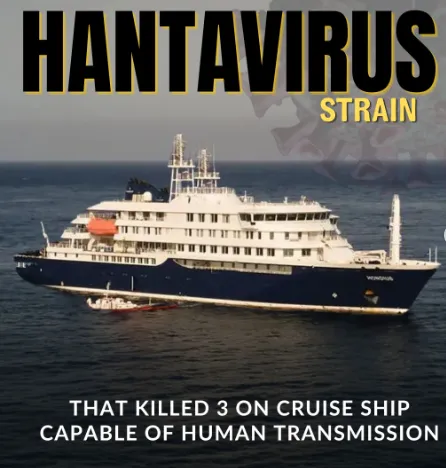
The recent deaths of three individuals aboard a cruise ship have raised concerns regarding a strain of hantavirus. This strain has been identified as capable of human transmission, prompting significant attention from health authorities. The development has led to investigations regarding the circumstances surrounding the outbreak and its implications for public health.

The cruise ship, reportedly docked at a port in the United States, was carrying several passengers during the time of the outbreak. Authorities are currently working to assess the risk to other passengers and crew members. Health experts have been mobilised to evaluate the situation, ensuring that all necessary precautions are taken to prevent further transmission.

This tragic event has underscored the importance of understanding zoonotic diseases, which are diseases that can be transmitted from animals to humans. Hantavirus is typically associated with exposure to rodent droppings, urine, or saliva, making understanding its transmission mechanisms crucial in controlling its spread.

Details on the Virus and Symptoms

The hantavirus strain implicated in this incident is known to cause a severe respiratory illness termed hantavirus pulmonary syndrome (HPS). Symptoms of HPS include fever, muscle aches, and in severe cases, difficulty breathing. Patients often require immediate medical intervention, and the situation can escalate quickly if not addressed promptly.

Health authorities have emphasised awareness of the symptoms among those who may have been exposed. Individuals displaying signs of a respiratory illness after potential exposure to rodents should seek medical assistance without delay. Additionally, the progression of the disease can vary, making it essential for healthcare professionals to conduct thorough assessments of suspected cases.

Preventative measures are crucial for public health, as understanding how to limit exposure to potential carriers of the virus is vital. Those in environments where rodents are prevalent are advised to take specific precautions to mitigate the risk of transmission. This incident serves as a reminder of the continuing interaction between humans and wildlife and the potential health risks involved.

Response from Authorities and Further Investigations

Following the outbreak, local and federal health agencies have initiated protocols to investigate the transmission pathways of the hantavirus strain. Measures are being taken to monitor both the ship crew members and passengers for any further symptoms. In addition, there is an ongoing evaluation of the ship’s sanitation protocols and condition to ensure that similar incidents do not occur in the future.

The cruise industry is now facing increased scrutiny regarding health and safety practices, particularly in light of the ongoing challenges presented by infectious diseases. As part of their response, cruise lines are beginning to review and update their health measures, which may include enhanced sanitation procedures and routine health screenings for passengers and crew alike.

This incident has highlighted the need for continuous research into emerging infectious diseases, especially those that can be linked to travel. Collaboration between health officials and the cruise industry is paramount in addressing and managing such health threats, ensuring that the safety of passengers and crew members remains a top priority.

Long or Short, get news the way you like. No ads. No redirections. Download Newspin and Stay Alert, The CSR Journal Mobile app, for fast, crisp, clean updates!

App Store –  https://apps.apple.com/in/app/newspin/id6746449540 

Google Play Store – https://play.google.com/store/apps/details?id=com.inventifweb.newspin&pcampaignid=web_share

Latest News

Popular Videos
