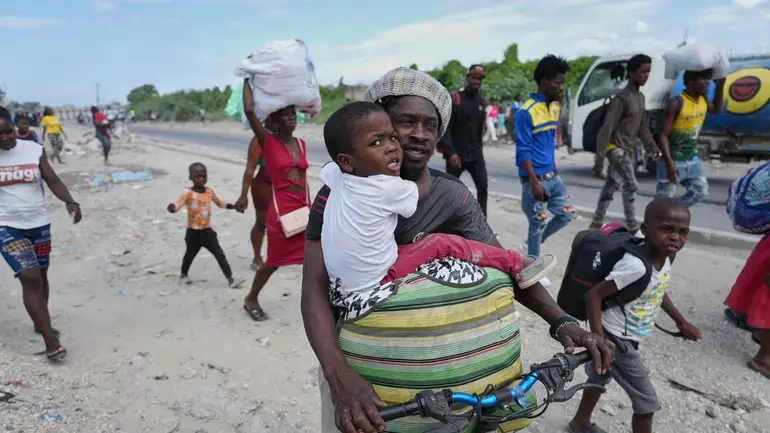
The recent surge in gang violence in Haiti’s capital has resulted in the displacement of hundreds of residents, significantly impacting their safety and well-being. The aid organisation Médecins Sans Frontières, widely known as Doctors Without Borders, has reported that approximately 800 individuals took refuge in their hospital located in the Cité Soleil neighbourhood of Port-au-Prince before the suspension of operations. This alarming situation underscores the dire circumstances many locals are facing as tensions escalate.
Suspension of Medical Services
Due to escalating concerns over safety from ongoing gunfire, Doctors Without Borders has been compelled to halt all hospital activities in the region. The organisation released a statement confirming that no medical facilities are operational in the vicinity where violence is rampant. While the demand for healthcare services remains critical, the organisation stated it could not ensure the safety of patients or staff members, especially following an incident where a security guard was reportedly injured by a stray bullet.
In a related incident, another local hospital, Hôpital Fontaine, evacuated newborns from its intensive care unit as a precautionary measure amid the unrest. Following the evacuation, Doctors Without Borders treated several patients, including pregnant women transferred from Hôpital Fontaine who required urgent medical attention. These incidents highlight the serious implications of the violence not only on civilians seeking refuge but also on healthcare services in the affected areas.
The ongoing violence and instability in Port-au-Prince have persisted since the assassination of President Jovenel Moïse in July 2021, during which numerous gangs began to exert significant control over large portions of the capital. Despite repeated attempts by local authorities to restore order and diminish the power of these groups, their efforts have reportedly yielded little success, leaving many residents in constant fear of violence.
Community Impact and Response Efforts
The situation has compelled many locals to seek safety wherever possible, as evidenced by accounts of citizens fleeing their homes. An example is 56-year-old Monique Verdieux, who expressed her distress at being forced to sleep outdoors after witnessing armed men set fire to buildings in her neighbourhood. This sentiment resonates among many displaced individuals who feel unsafe returning home.
The influx of displaced persons has led to makeshift camps emerging along major routes, including the road to Toussaint Louverture airport, creating further strain on humanitarian resources in the capital. As community structures dissolve in the face of widespread violence, the humanitarian crisis deepens, leaving vulnerable populations with limited access to essential services and protection.
In response to increasing violence and insecurity, a group of foreign troops arrived in Haiti in April as part of an initiative linked to the United Nations. However, past attempts at international intervention have met with limited success in curbing violence and restoring order in the country. The effectiveness of these military efforts continues to be a point of concern as gang activity escalates.
Long or Short, get news the way you like. No ads. No redirections. Download Newspin and Stay Alert, The CSR Journal Mobile app, for fast, crisp, clean updates!
At least thirty individuals lost their lives on Saturday due to a stampede in northern Haiti, according to official reports. The incident took place...