


G7 Leaders Seek Greater Private Capital Mobilisation for Global Development
The CSR Journal Magazine

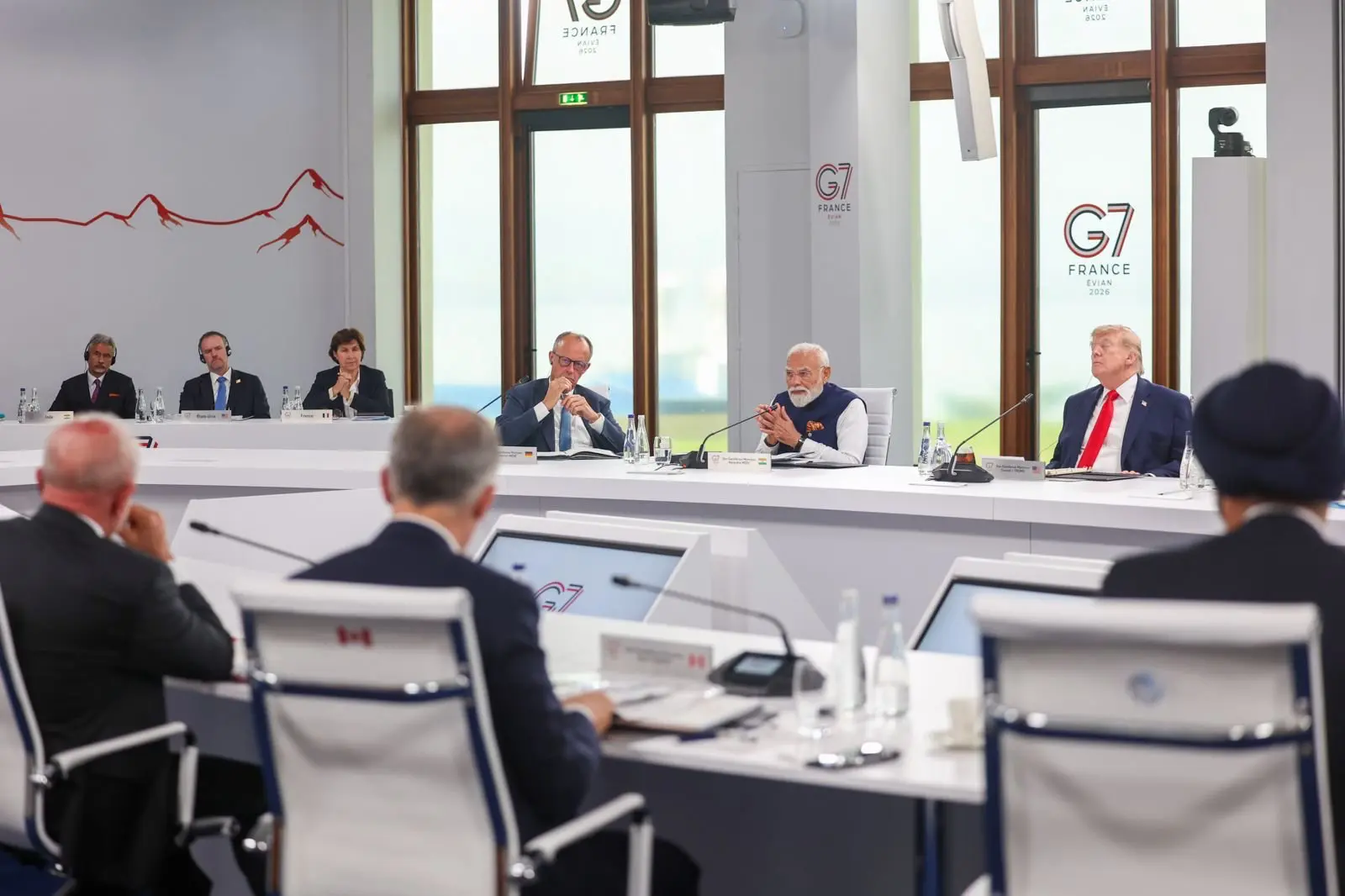
Leaders of the Group of Seven (G7) have called for sweeping reforms to the international development cooperation system, advocating a shift towards mutually beneficial partnerships that reduce dependence on aid, strengthen economic sovereignty and mobilise greater private investment for sustainable growth.

In a joint declaration adopted at the G7 Summit in Évian-les-Bains, the leaders reaffirmed their commitment to development cooperation and investment finance as key drivers of shared prosperity, while acknowledging that the current architecture requires significant reforms to respond to evolving global challenges.

G7 Seeks Shift From Aid Dependency to Sustainable Growth

The declaration, which was also supported by Kenya and the Republic of Korea, noted that traditional development policies had delivered important outcomes but had often fallen short in reducing reliance on external assistance and fostering long-term economic resilience.

The leaders said they were united in reforming the development cooperation framework and creating partnerships that take into account the strategic interests of both donor countries and partner nations.

According to the declaration, the new approach aims to strengthen country ownership and create incentives for sustainable economic growth rather than perpetuating aid dependence.

Focus on Domestic Resources and Debt Challenges

The G7 underscored the importance of helping partner countries mobilise domestic resources, improve tax administration and attract private capital to build stronger self-financing capabilities.

Addressing mounting debt concerns in developing economies, the grouping called for further progress within the G20 on debt restructuring mechanisms, particularly for vulnerable middle-income countries that are not covered under the Common Framework.

The leaders also stressed the need for greater transparency in debt data and lending practices, urging all G20 creditors to participate in the World Bank’s debt data-sharing exercise.

Private Investment and Infrastructure Take Centre Stage

A key pillar of the reform agenda involves leveraging private capital through risk-sharing instruments, guarantees, blended finance and co-financing mechanisms to support development projects.

The G7 said Development Finance Institutions and Multilateral Development Banks would work together to make projects more attractive to investors and encourage greater private sector participation.

The declaration also highlighted the importance of resilient supply chains, infrastructure connectivity and critical mineral value chains, with support expected to be channelled through initiatives such as the G7 Partnership for Global Infrastructure and Investment.

Critical Minerals and Vulnerable Economies in Focus

The leaders stressed that international cooperation on critical minerals should be guided by transparency, high standards and the creation of local value in partner countries.

They also committed concessional resources to least-developed and vulnerable countries, particularly those facing conflicts, external shocks and restricted access to capital markets.

Investments in health, education, nutrition and food systems were identified as priority sectors for strengthening resilience and promoting inclusive development.

G7 Backs Reform of Existing Institutions

Calling for a more efficient development ecosystem, the G7 said it would focus on strengthening existing financing mechanisms rather than establishing new institutions.

The grouping also backed reforms aimed at improving the effectiveness of Multilateral Development Banks and enhancing coordination among development actors to avoid duplication and increase impact.

According to the declaration, broader cooperation involving emerging donors, philanthropic organisations, civil society and the private sector will be essential to delivering the agenda.

Leaders Welcome New Partnership Initiatives

The G7 leaders welcomed initiatives such as the Africa Forward Summit, the Tokyo International Conference on African Development and the Global Gateway initiative as examples of the renewed partnership approach.

They said these platforms reflected efforts to build more balanced and mutually beneficial relationships with developing countries, with an emphasis on long-term economic resilience and shared prosperity.

The declaration signals the G7’s intent to reshape the global development architecture amid rising debt pressures, changing geopolitical dynamics and increasing demands for sustainable and inclusive growth.

Long or Short, get news the way you like. No ads. No redirections. Download Newspin and Stay Alert, The CSR Journal Mobile app, for fast, crisp, clean updates!

App Store –  https://apps.apple.com/in/app/newspin/id6746449540 

Google Play Store – https://play.google.com/store/apps/details?id=com.inventifweb.newspin&pcampaignid=web_share

Latest News

Popular Videos
