


FSSAI Directs Pepsi, Red Bull and Other Brands to Remove ‘Energy Drink’ Label in 90 Days
The CSR Journal Magazine

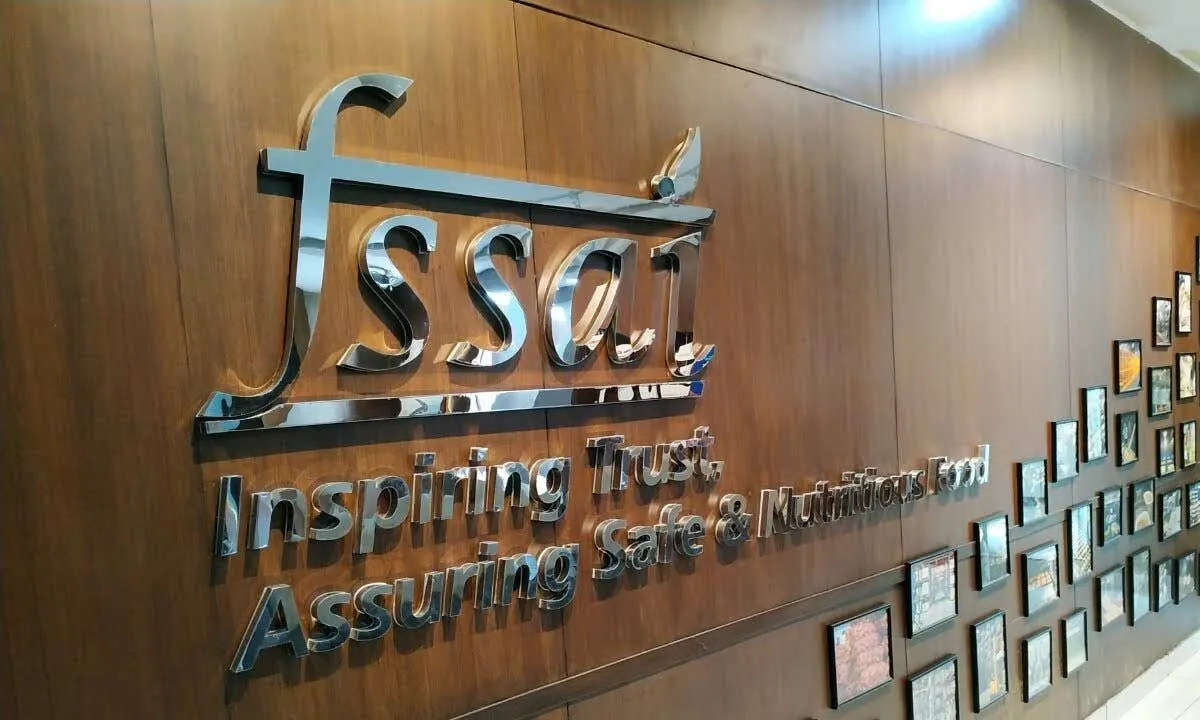
The Food Safety and Standards Authority of India (FSSAI) has instructed several beverage companies to discontinue the use of the term “energy drink” on their product labels within a timeframe of 90 days. This directive arose despite significant protest from well-known brands, including Pepsi, Red Bull, Monster Beverage, Reliance, and Hell Energy, as reported by Reuters. The regulatory body clarified that there are currently no established Indian standards for products categorised as “energy drinks.” It further noted that certain claims, such as those suggesting the product ‘vitalises body and mind’ or ‘helps in general weakness,’ may lead to consumer misunderstanding.

Companies to Comply with New Labeling Regulations

During a meeting held on Friday with industry stakeholders, FSSAI Chief Executive Rajit Punhani reportedly addressed the companies’ concerns regarding the potential negative impact on their businesses. He asserted that any company wishing to contest the ruling in court would have the option to do so. Following a discussion, a government source revealed that the companies had ultimately consented to adhere to the new regulations and were provided with a 90-day window to implement the necessary changes to their product labels.

The Indian Beverage Association (IBA), which represents various prominent companies, has appealed for a more collaborative approach from the regulatory authority. In a letter to FSSAI dated July 6, the IBA expressed concerns that publicising such directives could tarnish company reputations, disrupt ongoing business activities, and create confusion among consumers. The association reiterated its commitment to complying with government regulations while advocating for policies grounded in scientific evidence.

This regulatory shift appears to have emerged against a backdrop of increasing scrutiny of the rapidly growing energy drinks market in India. The sector has seen notable expansion over recent years, primarily since Pepsi launched the Sting beverage in 2017, which gained a strong following among the youth and rural consumers.

Market Dynamics and Growing Concerns

Market analysts from Euromonitor suggest that India’s energy drinks market is on course to reach a valuation of $1.6 billion by 2028, signalling an annual growth rate of 12.6 per cent. Sales figures reportedly doubled nearly every year from 2018 to 2023. This booming demand has led to a significant number of consumers regularly consuming these high-caffeine products, with many expressing a belief that these drinks facilitate sustained energy levels for work. A segment of consumers has also acknowledged a sense of dependency on these beverages.

In response to the regulatory changes, enforcement initiatives have already commenced in Rajasthan. Authorities have confiscated thousands of bottles of popular brands such as Sting, Campa Energy, and Red Bull as part of a wider enforcement campaign. On July 8, the state government issued a directive to e-commerce platforms, including Amazon, Flipkart, Blinkit, and Swiggy Instamart, mandating that these companies refrain from marketing products as “energy drinks.” This move indicates a proactive stance towards compliance with the new labelling regulations.

As public and regulatory attention shifts towards the energy drinks sector, further developments are anticipated as both the beverage industry and regulatory bodies navigate the implications of these changes. The unfolding situation will continue to be of interest to stakeholders across the food and beverage landscape in India.

Long or Short, get news the way you like. No ads. No redirections. Download Newspin and Stay Alert, The CSR Journal Mobile app, for fast, crisp, clean updates!

App Store –  https://apps.apple.com/in/app/newspin/id6746449540 

Google Play Store – https://play.google.com/store/apps/details?id=com.inventifweb.newspin&pcampaignid=web_share

Latest News

Popular Videos
