


Donald Trump Promotes ‘Peace President’ Image Following Hormuz Reopening
The CSR Journal Magazine

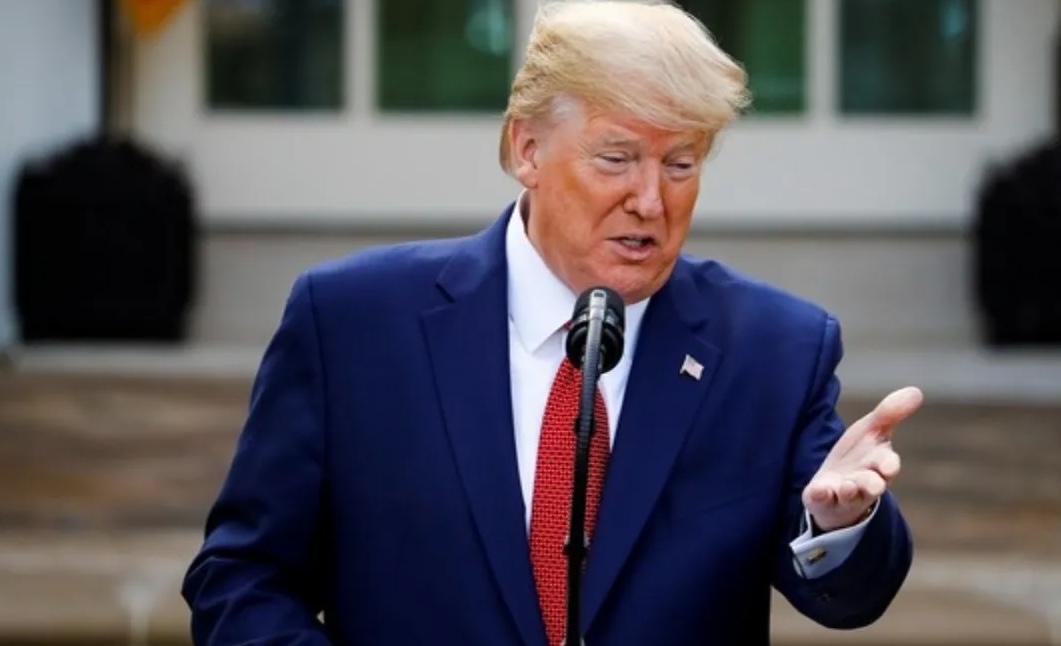
Donald Trump has emphasised his status as a ‘peace president’ during a recent address, suggesting that public trust should be placed in him rather than individuals who he claims spread panic. This statement comes in light of geopolitical tensions and recent developments concerning the Strait of Hormuz, a critical maritime corridor for oil shipping.

In his address, Trump detailed efforts taken to reopen the Strait of Hormuz for commercial navigation, reinforcing the notion of stability in international waters. The Strait, which connects the Persian Gulf to the Gulf of Oman, has been a focal point for shipping and geopolitical friction, making its security a significant topic in international discussions.

Trump’s commentary appeared aimed at reassuring both the American public and international stakeholders about the current administration’s approach to foreign policy, especially in relation to the Middle East. By framing himself as a stabilising force, Trump seeks to differentiate his leadership style from those who he claims lack a pragmatic perspective.

Geopolitical Context of Hormuz

The Strait of Hormuz has repeatedly been a site of escalating tension, particularly due to its importance in global oil supply. Approximately 20 per cent of the world’s oil passes through this chokepoint, making its security vital for numerous countries reliant on energy imports. Recently, incidents in the region have raised alarms about potential disruptions in this critical supply route.

Reports have indicated that various nations are on high alert regarding any potential military actions in the vicinity, given the strategic significance of the waterway. The reopening is seen as a necessary step to ensure the uninterrupted flow of oil, which is essential not only for regional economies but also for the global market.

Trump’s approach has faced mixed reactions, with some advocating for a more aggressive stance while others support the need for diplomacy and dialogue with relevant parties. His administration has previously faced challenges in managing relationships with Iran and other nations that have interests in the region.

Future Implications and Expectations

Going forward, Trump’s administration appears committed to maintaining open lines of communication to ensure the safety and security of maritime operations in Hormuz. The long-term implications of this strategy will depend largely on the reactions from both allies and adversaries in the region.

The announcement of Hormuz’s reopening was followed by diplomatic engagements, indicating a willingness to involve various stakeholders in discussions about regional security and trade. Analysts suggest that continued dialogue is crucial to mitigate tensions and to establish a framework for cooperation among nations with interests in the Gulf.

As the situation develops, observers will be attuned to how effectively the administration can foster stability in Hormuz while addressing the broader issues at play in the Middle East. Attention will also be given to how public perception of Trump’s leadership evolves in connection with these geopolitical events.

Long or Short, get news the way you like. No ads. No redirections. Download Newspin and Stay Alert, The CSR Journal Mobile app, for fast, crisp, clean updates!

App Store –  https://apps.apple.com/in/app/newspin/id6746449540 

Google Play Store – https://play.google.com/store/apps/details?id=com.inventifweb.newspin&pcampaignid=web_share

Latest News

Popular Videos
