


Discovery of 12,000-Year-Old Fossil in Tamil Nadu Unveiled by Recent Rains
The CSR Journal Magazine

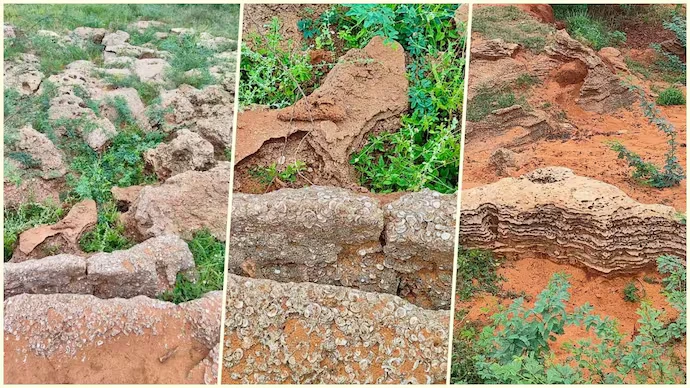
A significant discovery attributed to recent torrential rains has unveiled fossils estimated to be 12,000 years old in Tamil Nadu, providing insight into the region’s prehistoric era. This revelation was confirmed by Union Environment Minister Bhupender Yadav, who noted that the fossils date back to the Holocene period. The intense rainfall experienced in 2023 caused substantial soil erosion, exposing buried fossil deposits scattered across parts of Thoothukudi.

Following a request from local administrative authorities, the Zoological Survey of India (ZSI) undertook a thorough field survey of the sites where the fossils had been uncovered. The survey’s findings have identified a previously unknown fossil bed, significantly enhancing India’s knowledge of the Quaternary Period.

This period, which spans the last 2.6 million years, includes significant climatic changes, the evolution of modern ecosystems, and the early development of human life. According to Yadav, these discoveries play a vital role in advancing understanding of ancient biodiversity, climatic evolution, and environmental conditions in India.

Significance of the Fossils for Scientific Understanding

Scientists who are involved in the examination of these fossils indicate that they could yield crucial information regarding the types of species that inhabited the area and the environmental circumstances of the late Holocene. By analysing the composition of these fossils, researchers can ascertain whether the region was predominantly forested, characterised by grasslands, or influenced by marine environments.

The newfound site is particularly noteworthy, as records from this period across southern India are relatively underexplored. Expert opinions suggest that this discovery may address significant gaps in understanding the responses of regional ecosystems to historical climate variations. This fossil bed stands to illuminate the complex interactions between species and their environments thousands of years ago.

Moreover, researchers pointed out that occurrences of natural phenomena, such as intense rainfall, can unearth hidden geological resources. However, they emphasised the necessity to safeguard these sites from potential damage, noting that exposed fossils are susceptible to rapid deterioration without proper preservation measures.

Future Research Plans for Thoothukudi Fossil Bed

Plans are in place for continued scientific investigation of the Thoothukudi fossil bed, which will include extensive excavation and dating studies. These analyses aim to construct a comprehensive understanding of the ancient environment of the region. The scientific community anticipates that further studies will provide a clearer picture of the prevailing conditions and life forms that existed during this period.

As India advances its efforts to deepen knowledge of prehistoric life, discoveries like the Thoothukudi fossils not only illuminate past ecosystems but also offer potential insights into future environmental changes. The ongoing research surrounding these finds underscores their importance, revealing patterns that may be relevant in understanding contemporary ecological dynamics.

The recent identification of this remarkable fossil site marks a crucial step in piecing together India’s ancient ecological history. As further examinations progress, the collaborative efforts of scientists and researchers will continue to enrich the understanding of the intricate relationships between ancient life and environmental transformations.

Long or Short, get news the way you like. No ads. No redirections. Download Newspin and Stay Alert, The CSR Journal Mobile app, for fast, crisp, clean updates!

App Store –  https://apps.apple.com/in/app/newspin/id6746449540 

Google Play Store – https://play.google.com/store/apps/details?id=com.inventifweb.newspin&pcampaignid=web_share

Latest News

Popular Videos
