


Depending on Pakistan to Solve Iran Problem Is Like Relying On Fascist Italy to Solve Nazi Problem: US expert

The CSR Journal Magazine

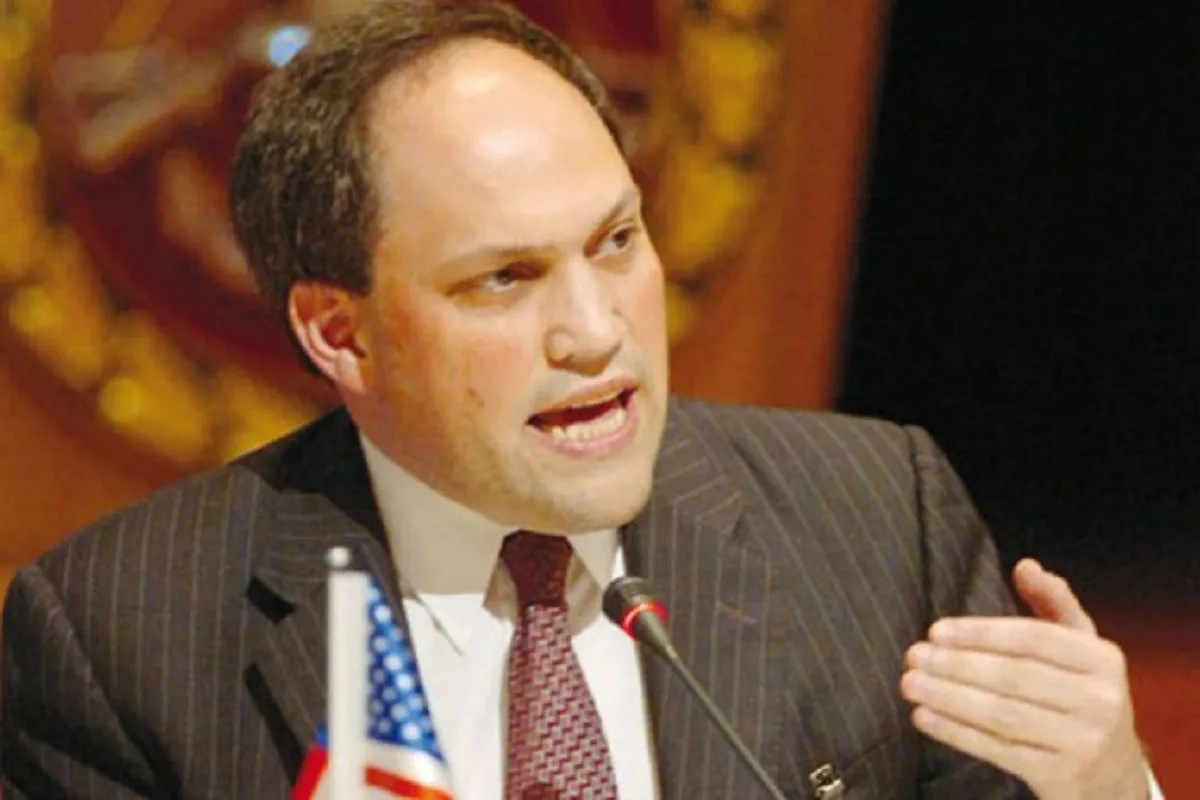
The reliance on Pakistan to address the issues surrounding Iran has been sharply criticised by American political analyst Michael Rubin. In remarks made on June 16, Rubin drew a historical parallel, suggesting that trusting Pakistan in this context resembles depending on fascist Italy to resolve the challenges posed by Nazi Germany during World War II. His comments highlight concerns over Pakistan’s credibility as a mediator in the ongoing dialogue between the United States and Iran.

Assessment of Pakistan’s Role

Rubin expressed strong reservations about Pakistan’s involvement in US-Iran relations, arguing that the country has a track record of undermining American interests. He pointed out former President Donald Trump’s choice of mediators, specifically mentioning Qatar and Pakistan, asserting that this is a misguided approach. According to Rubin, a valid mediator should have a vested interest in the success of the party they are assisting, a quality he believes Pakistan lacks.

Historically, Pakistan’s actions have raised numerous doubts about its reliability. Rubin, who serves as the Director of Policy Analysis at the Middle East Forum, referenced instances from the past, such as Pakistan’s support for the Taliban and the housing of Osama bin Laden. These examples, he claims, reflect repeated betrayals that undermine Pakistan’s status as a trustworthy partner for negotiations.

Examples of past actions were highlighted by Rubin to further illustrate his point. He argued that the US has been misguided in returning to Pakistan for mediation, despite its history of betrayal regarding both the Taliban and Osama bin Laden. The irony is not lost on Rubin; he emphasised that even though Pakistan has previously created conditions for instability, it continues to be considered to play a mediating role, which he finds questionable.

Future Implications for US-Iran Relations

Looking forward, Rubin forecasted that Pakistan would likely prefer to maintain ongoing tensions rather than facilitate a genuine resolution between the US and Iran. His assertion was that Pakistani interests are not aligned with achieving a lasting peace; instead, they would benefit from maintaining an environment of chaos. This perception casts doubt on their role in the potential negotiations that are expected to culminate in a peace agreement in Geneva later this week.

Rubin’s comments suggest that while Pakistan may present itself as a mediator, it could simultaneously work to ensure that substantive agreements do not take place. This dual role, he claimed, could manifest as Pakistan acting both as an instigator and a problem-solver, able to derive benefits from both sides of the conflict. The complex dynamic raises questions about the viability of Pakistan as a mediator in future negotiations.

As discussions continue regarding US-Iran relations, the implications of these assertions may impact how diplomatic efforts are approached. Rubin’s warnings about Pakistan’s intentions serve as a cautionary note for US policymakers as they engage in negotiations with Iran. With a peace agreement on the horizon, stakeholders will need to carefully consider the roles and motivations of all parties involved in this critical geopolitical situation.

Long or Short, get news the way you like. No ads. No redirections. Download Newspin and Stay Alert, The CSR Journal Mobile app, for fast, crisp, clean updates!

App Store –  https://apps.apple.com/in/app/newspin/id6746449540 

Google Play Store – https://play.google.com/store/apps/details?id=com.inventifweb.newspin&pcampaignid=web_share

Latest News

Popular Videos