


Delhi Government Launches EV Subsidy Portal Following Policy Rollout
The CSR Journal Magazine

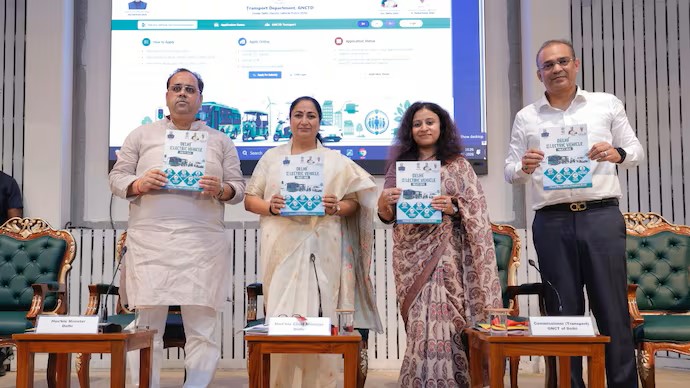
The Delhi government has launched an online portal, designed for residents to apply for subsidies and monitor their applications in real time, shortly after unveiling its new Electric Vehicle (EV) Policy. Chief Minister Rekha Gupta introduced the Delhi EV Subsidy Portal, accessible at evsubsidy.delhi.gov.in, highlighting its aim to provide a simple and transparent digital interface for eligible citizens.

According to Gupta, the platform allows users to apply for incentives conveniently from their homes. Following the verification of their applications, funds will be credited directly to their bank accounts within a maximum of 60 days through Direct Benefit Transfer (DBT). This initiative is part of the government’s broader plans to promote electric mobility across the city.

Details of the Subsidy Process

The portal is intended for the purchase of eligible electric vehicles made on or after July 1, with the condition that applications must be submitted within 30 days of the vehicle purchase. Once applications are verified, the subsidy amount will be directly transferred to the beneficiaries, facilitating a swift and efficient process.

This online platform will serve as the backbone of the government’s EV Policy, which is set to remain operational until March 31, 2030. The portal will not only manage subsidy processing but will also oversee approvals for vehicle models, scrapping incentives, and various exemptions outlined in the policy.

Transport Minister Pankaj Singh stated that the implementation of the policy would rely completely on this online system, featuring real-time monitoring and a clear timeline for approvals and payments. Such measures are anticipated to enhance transparency and efficiency in the subsidy distribution process.

Features of the New EV Policy

The revamped EV policy aims to accelerate the adoption of electric mobility and address vehicular pollution in Delhi. Electric cars valued at up to Rs 30 lakh will benefit from exemptions on road tax and registration fees. Additionally, purchasers of electric two-wheelers can avail of incentives of up to Rs 30,000, while those scrapping older vehicles may receive an extra incentive of up to Rs 10,000.

Furthermore, electric two-wheelers and three-wheelers will also enjoy exemptions from road tax and registration costs. The policy specifically emphasises transitioning the commercial transport sector. Starting January 1, 2027, only electric autorickshaws will be registered in the city, while registrations of new petrol and CNG-powered two-wheelers will gradually cease after April 1, 2028.

To support the burgeoning EV ecosystem, the Delhi government is planning to expand the city’s charging infrastructure significantly. Presently, there are around 9,000 charging points, with plans to increase this number to 32,000 by 2030. Chief Minister Gupta reassured citizens that the government is collaborating with original equipment manufacturers (OEMs) and other stakeholders to ensure there are adequate charging facilities available to meet the growing demand for electric vehicles.

In her interview with India Today TV, Gupta expressed confidence in the government’s preparedness for this transition, assuring residents that they would face no challenges in charging their electric vehicles.

Long or Short, get news the way you like. No ads. No redirections. Download Newspin and Stay Alert, The CSR Journal Mobile app, for fast, crisp, clean updates!

App Store –  https://apps.apple.com/in/app/newspin/id6746449540 

Google Play Store – https://play.google.com/store/apps/details?id=com.inventifweb.newspin&pcampaignid=web_share

Latest News

Popular Videos
