


Curbing Child Marriage: Maharashtra Plans to Make Birth Dates Mandatory on Wedding Invites
The CSR Journal Magazine

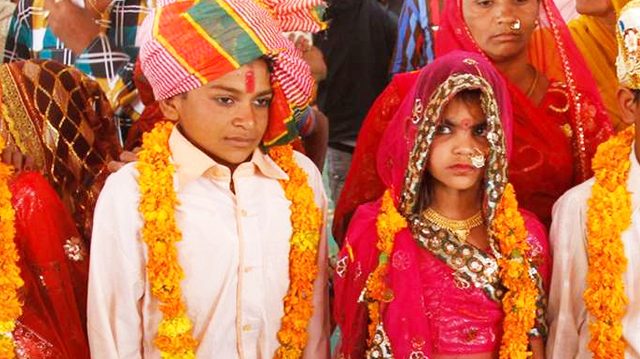
The Maharashtra government is considering a new requirement for wedding invitations to include the birth dates of both the bride and groom. This initiative aims to tackle the issue of child marriages in the state, as highlighted by Women and Child Development Minister Aditi Tatkare during a recent assembly session.

Tatkare indicated that the introduction of birth dates on invites would facilitate easier verification of the couple’s age prior to marriage. She cited a successful similar policy in Rajasthan, which is known for high rates of child marriages, as a precedent for Maharashtra’s potential approach to this pressing issue.

The government plans to hold wedding venues, printing presses, and event planners accountable for adhering to this guideline. Those failing to comply will reportedly face legal repercussions as part of the government’s strategy to ensure the law is followed.

Statistics and Concerns Around Child Marriage

The proposal emerged following recommendations from the Maharashtra State Commission for Protection of Child Rights, driven by alarming statistics reflecting an increase in child marriages in certain districts. Data shared in the assembly revealed that some areas are still witnessing significant numbers of girls married off before reaching the age of 18.

Parbhani district stands out for having the highest rate, with 48 per cent of girls reportedly married early. Other districts such as Beed, Dhule, and Solapur report rates of 43.7 per cent, 40.5 per cent, and 40.3 per cent respectively. Despite the troubling figures, there has been a decline in child marriage rates overall; the figure decreased from 21.9 per cent in 2019-21 to 19.6 per cent for the 2023-24 period, which is close to the national average of approximately 20.1 per cent.

Tatkare mentioned that in the year 2025-26 alone, the administration managed to prevent around 1,434 child marriages. High rates of child marriage are especially prevalent in rural areas such as Beed and Marathwada, coinciding with seasonal migration for work in the sugarcane industry.

Implementation of Rajasthan’s Model in Maharashtra

The Maharashtra government, led by Chief Minister Devendra Fadnavis, is exploring the implementation of the Rajasthan model to enhance its regulatory framework on child marriages. This model has mandated the inclusion of birth dates on wedding cards and provides a cautionary notice about the legal implications of child marriage since 2013.

In Rajasthan, particularly in Bundi district, local authorities have initiated proactive measures against child marriages. Teams consisting of school principals, land record inspectors, gram sevaks, and anganwadi workers monitor marriages closely to identify any illegal cases. If any child marriage is detected, immediate notifications are sent to the tehsildar and the local police.

The prevalence of child marriages in rural Rajasthan necessitates increased vigilance and intervention strategies to protect minors in these communities. The Maharashtra government aims to adopt effective measures from Rajasthan’s experience to strengthen its efforts in combating child marriage.

Long or Short, get news the way you like. No ads. No redirections. Download Newspin and Stay Alert, The CSR Journal Mobile app, for fast, crisp, clean updates!

App Store –  https://apps.apple.com/in/app/newspin/id6746449540 

Google Play Store – https://play.google.com/store/apps/details?id=com.inventifweb.newspin&pcampaignid=web_share

Latest News

Popular Videos
