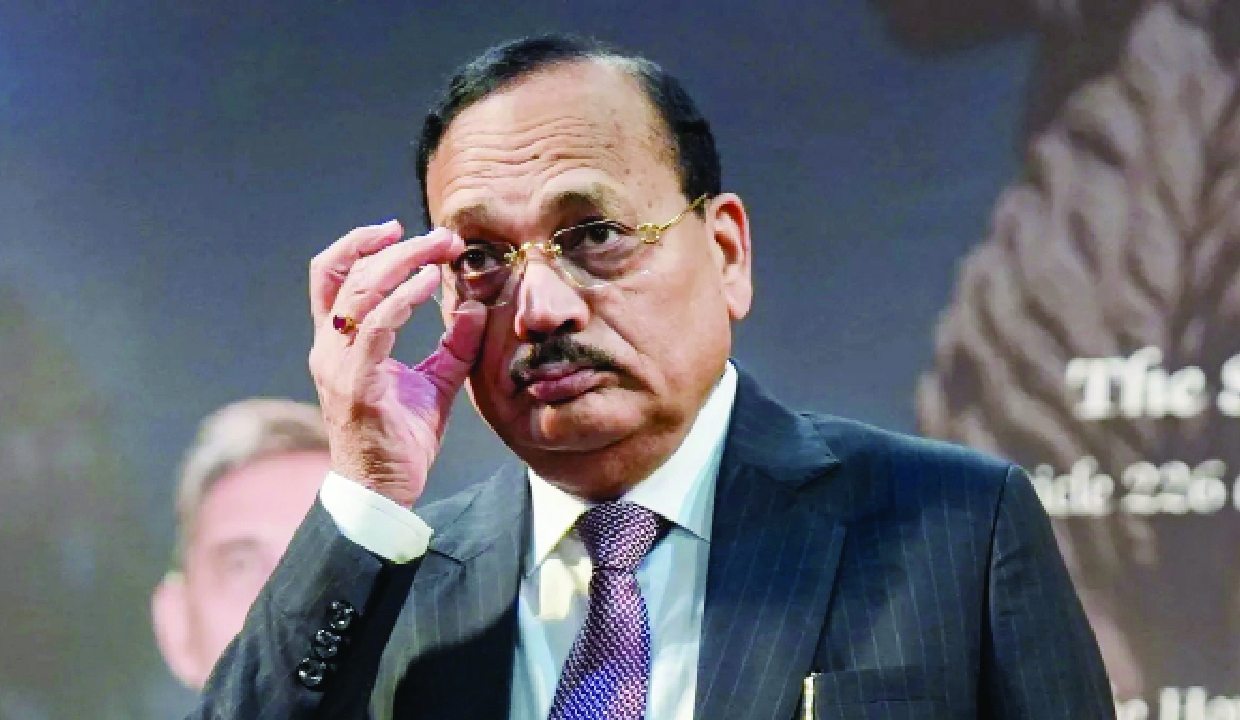
Chief Justice of India Surya Kant made a strong statement regarding the need for legal institutions to proactively reach citizens, particularly those unable to seek justice themselves. Speaking at the West Zone Regional Conference of the National Legal Services Authority (NALSA) held in Indore on August 8, he asserted that justice must be brought to the citizens rather than expecting the reverse.
Justice Kant highlighted that effective access to justice is not solely dependent on existing laws but begins with understanding the grievances of individuals. He urged that dialogue should permeate the entire legal services ecosystem, extending from NALSA to State and District Legal Services Authorities, and even to para-legal volunteers who often serve as the initial point of contact for communities.
He pointed out that a concerted effort does not imply uniformity of thought but focuses on a shared goal of responding to community needs. Justice Kant specifically mentioned the diverse legal needs of various groups, including tribal families in Madhya Pradesh and fisherfolk in Goa, reinforcing the importance of locally relevant legal services.
Dignity as a Cornerstone in Legal Interactions
During his address, Justice Kant articulated the importance of dignity in the legal process, noting that the experience of justice begins long before a formal verdict is rendered. For many individuals, this experience starts upon entering legal aid clinics, court premises, or offices of the Taluka Legal Services Authority.
He acknowledged that many first-time users of the legal system may feel overwhelmed by courtroom procedures and may be reluctant to engage. Therefore, he stressed the need for patient, respectful communication and assurance that their concerns will be heard. Such an approach can significantly enhance the overall experience of seeking justice.
According to Justice Kant, the Legal Services Authorities Act recognises that some demographics require more substantial institutional support, viewing it not as an act of charity but rather as a constitutional right. He asserted that every legal aid lawyer, para-legal volunteer, and judicial officer who treats cases with courtesy and respect contributes to fostering public trust in the legal system.
Technology and Inclusion in the Justice System
Justice Kant underscored that true inclusion in accessing justice cannot exist if any individual is excluded due to factors such as distance, financial constraints, disability, or lack of legal awareness. He challenged institutions to extend their reach to those who are often overlooked.
The Chief Justice cited notable initiatives like Tele-Law, which has facilitated over 1 crore pre-litigation consultations, and the Nyaya Bandhu platform, which connects pro bono advocates to individuals in need. He indicated that technological advancements have significantly reduced distances and increased access to legal help.
However, he cautioned that technology should be viewed as a means to facilitate access rather than an end goal. In many remote areas, the impact of para-legal volunteers and legal aid lawyers remains crucial as they provide a direct, compassionate connection to the justice system, something digital platforms cannot replace.
Justice Kant concluded by stating that dialogue, dignity, and inclusion are interconnected principles. He urged stakeholders to translate the discussions held at the conference into actionable frameworks that ensure justice becomes more attainable for all. The Chief Justice reminded participants that the promise encapsulated in Article 39A rests on their collective actions, which must translate into tangible benefits for the communities served.
Long or Short, get news the way you like. No ads. No redirections. Download Newspin and Stay Alert, The CSR Journal Mobile app, for fast, crisp, clean updates!