


Chhattisgarh Schools Advance Summer Break to April 20 Amid Heat Concerns
The CSR Journal Magazine

The Chhattisgarh government has responded to rising temperatures by advancing summer holidays for schools. The break is now set to commence on April 20 and continue until June 15, providing students with nearly two weeks more time off than initially planned. This change applies to all government, aided, private, and non-aided schools. However, teachers will still be required to report to work as per their usual schedules.

Chief Minister Vishnu Deo Sai indicated that this decision aims to protect students from extreme heat exposure during peak summer months. The government is prioritising the safety and well-being of children in light of the severe weather conditions affecting the region.

States Implement Revised Timings and Safety Protocols

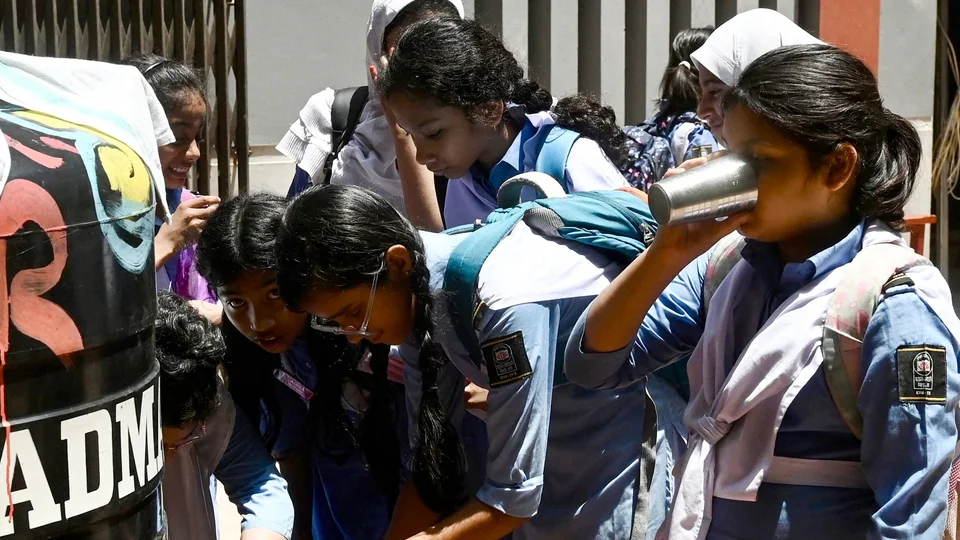
In addition to Chhattisgarh, several other states have taken proactive measures to mitigate the effects of the heatwave on school activities. Instead of closing schools entirely, education departments in states such as Uttarakhand, Madhya Pradesh, and Odisha have implemented changes to school timings and introduced hydration practices.

Uttarakhand schools have been instructed to establish “water bells” to remind pupils to drink water regularly throughout the day. This initiative aims to maintain hydration and ensure the health of students as temperatures rise.

Meanwhile, in Madhya Pradesh’s Satna district, schools have altered their schedules to conclude classes earlier in the day, ensuring that students are not exposed to the intense afternoon heat. Additionally, Odisha has opted for early morning classes that start at 6:30 am, allowing students to complete their studies while avoiding peak temperature hours.

Kerala Enforces Strict Regulations on Academic Activities

Kerala’s General Education Department has taken a firm stance against academic activities during the officially designated summer vacation. Authorities have issued warnings to schools prohibiting them from conducting any special classes throughout this period. The enforcement of these regulations is intended to protect the health and safety of children during the ongoing heatwave.

Officials in Kerala have highlighted that requiring students to attend classes under such conditions could compromise their well-being and may violate established health protocols. The government is keen to ensure that schools adhere strictly to these guidelines, with potential actions against those who fail to comply.

Such measures across different states demonstrate an increasing awareness of the impact that extreme weather conditions are having on student health and education. With rising temperatures becoming a recurring issue, these adaptations in academic planning may well become standard in the years to come.

Long or Short, get news the way you like. No ads. No redirections. Download Newspin and Stay Alert, The CSR Journal Mobile app, for fast, crisp, clean updates!

App Store –  https://apps.apple.com/in/app/newspin/id6746449540 

Google Play Store – https://play.google.com/store/apps/details?id=com.inventifweb.newspin&pcampaignid=web_share

Latest News

Popular Videos
