


India Experiences 3,400 Deaths Daily Due to Extreme Heat
The CSR Journal Magazine

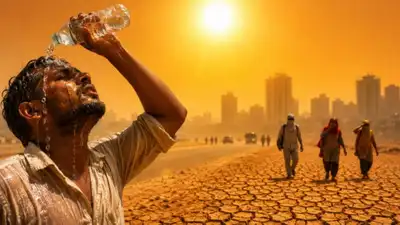
The summer of 2026 has brought soaring temperatures exceeding 45°C in various regions across India, raising alarms regarding the escalating frequency and severity of extreme heat. This phenomenon is increasingly becoming a normal part of the season, yet the associated health risks are profound and concerning. Researchers have conducted a study that sheds light on the consequences of extreme heat, suggesting that a single day of elevated temperatures could lead to approximately 3,400 additional deaths nationwide, while a prolonged heatwave lasting five days might result in almost 30,000 fatalities.

Recurring Patterns of Intense Heat

India is familiar with scorching summers, but recent years have seen these heatwaves extend in duration and intensity. In 2024, certain areas in Rajasthan recorded a staggering 50.5°C, and cities such as Delhi experienced their hottest nights in decades. The year 2026 appears no different, with severe heat warnings impacting the northern, central, and western states. Regions like Delhi-NCR, Uttar Pradesh, Madhya Pradesh, and Rajasthan have particularly suffered under extreme heat conditions. Additionally, this year has brought attention to the problem of warmer nights, which provide little reprieve from the daytime heat, complicating the situation further for urban populations.

Concrete infrastructure in cities retains heat even after sunset, maintaining discomfort for millions. Vulnerable populations, including farmers, outdoor workers, and the elderly, are disproportionately affected due to their increased exposure to high temperatures and minimal means to adapt. The current heatwave has forced individuals to find ways to cope, such as pouring water over themselves or seeking shade.

The Unseen Impact of Heat-Related Deaths

The findings of the aforementioned study reveal that the actual toll of heat-related fatalities may be obscured due to inadequate reporting practices. Official statistics on heatstroke deaths can be misleadingly low, frequently recording only a few hundred casualties even in severe heat conditions. Many heat-related fatalities are often categorised under different health issues, such as heart attacks or respiratory problems, particularly among vulnerable groups. This lack of clear and detailed data on heat-induced mortality hinders public understanding and governmental response to the issue.

Researchers Piyush Narang and Ashok Gadgil from UC Berkeley contributed significantly to this study, aiming to bridge the gap in data regarding heat-related deaths. Their conservative estimates suggest that the overall impact could be even higher, particularly in rural areas where populations are less insulated from the elements. Uttar Pradesh stands out significantly, potentially witnessing over 8,000 excess deaths during a five-day heatwave, while districts in cities like Ahmedabad, Jaipur, and Surat could each account for more than 250 additional deaths in just one extreme day.

The research underscores that poorer states, characterised by lower GDP, bear a disproportionate burden in coping with extreme heat relative to their resources. This raises critical questions about equitable support and resource planning. With the anticipation of more frequent heatwaves as global temperatures rise, experts stress the necessity for improved local early warning systems, enhanced healthcare preparedness during heat events, and focused assistance for high-risk areas. As this study indicates, addressing extreme heat should be regarded not merely as a discomfort but as an escalating public health crisis that requires urgent attention and action.

Long or Short, get news the way you like. No ads. No redirections. Download Newspin and Stay Alert, The CSR Journal Mobile app, for fast, crisp, clean updates!

App Store –  https://apps.apple.com/in/app/newspin/id6746449540 

Google Play Store – https://play.google.com/store/apps/details?id=com.inventifweb.newspin&pcampaignid=web_share

Latest News

Popular Videos
