


ChatGPT Images 2.0 Launches to Widespread Praise for Advanced Capabilities
The CSR Journal Magazine

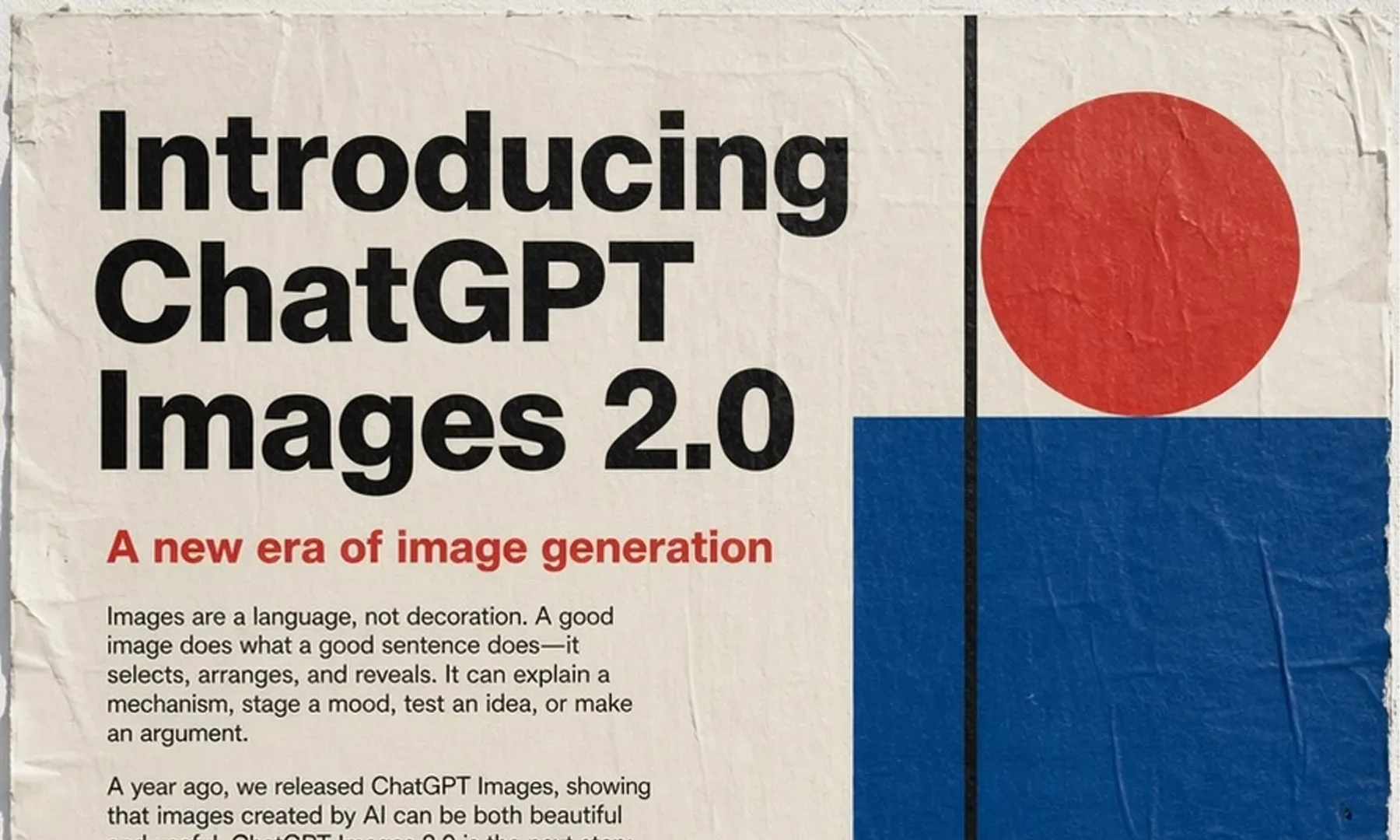
The recent release of ChatGPT Images 2.0 has been met with considerable enthusiasm, especially from Ethan Mollick, an associate professor at Wharton and AI researcher. Mollick revisited his informal testing method known as the Otter Test, in which he evaluates AI image generators based on their ability to produce images with prompts related to otters. He found that the new tool, which is now accessible to all users, surpassed his expectations. According to his assessment, “there is a quality threshold I didn’t expect,” indicating that this version performed exceptionally well in his testing.

Mollick’s experiences suggest that he is not alone in his positive feedback. Following the tool’s launch, many users have expressed astonishment at its capabilities. OpenAI has described Images 2.0 as a “state-of-the-art image model” capable of handling complex visual tasks, which aligns with Mollick’s observations. As an early beta tester, he noted that the image generator can now manage tasks previously thought to be challenging or unwieldy.

Advanced Capabilities Impress Users

The improvements in ChatGPT Images 2.0 are attributed to its underlying general intelligence, which enhances its capacity to interpret and execute instructions. OpenAI claims that the model, with knowledge which extends to December 2025, is adept at generating more detailed visuals, rendering complex text accurately, and managing a variety of aspect ratios. This level of capability has been particularly surprising to many users, highlighting a notable leap in advancements within the AI image generation space.

This advancement is further validated by the latest rankings on Arena AI, a platform dedicated to showcasing AI image generators. In a recent update, ChatGPT Images 2.0 secured the top position, significantly outperforming its competitors. The website reported that it achieved a record-breaking 242-point lead in the Text-to-Image category, marking the largest margin seen to date, thereby establishing its dominance in the field.

While the tool has generated excitement among users for its artistic capabilities, specific examples of images produced have also captured attention. Notable images shared on social media include a realistic depiction of a pile of rice with the word “wow” inscribed on a single grain, and a photorealistic portrait of two men styled reminiscent of the 1980s and 1990s.

Limitations Highlighted Despite Positive Feedback

The quality of outputs from this new tool distinguishes it markedly from both its predecessor and competing models. Users on social media platforms have remarked on how noticeable the enhancements are, particularly when it comes to rendering text within images, a capability that has historically posed challenges for AI image generation tools.

The transition from previous models to ChatGPT Images 2.0 demonstrates a significant improvement in usability and functionality, with users praising how adeptly the new tool handles complex visual tasks. Overall, the early response to ChatGPT Images 2.0 underscores a remarkable development in the field of AI-generated imagery.

Long or Short, get news the way you like. No ads. No redirections. Download Newspin and Stay Alert, The CSR Journal Mobile app, for fast, crisp, clean updates!

App Store –  https://apps.apple.com/in/app/newspin/id6746449540 

Google Play Store – https://play.google.com/store/apps/details?id=com.inventifweb.newspin&pcampaignid=web_share

Latest News

Popular Videos
