


Apple WWDC 2026 Highlights New Developments in App Development with Siri AI and Apple Intelligence Tools

The CSR Journal Magazine

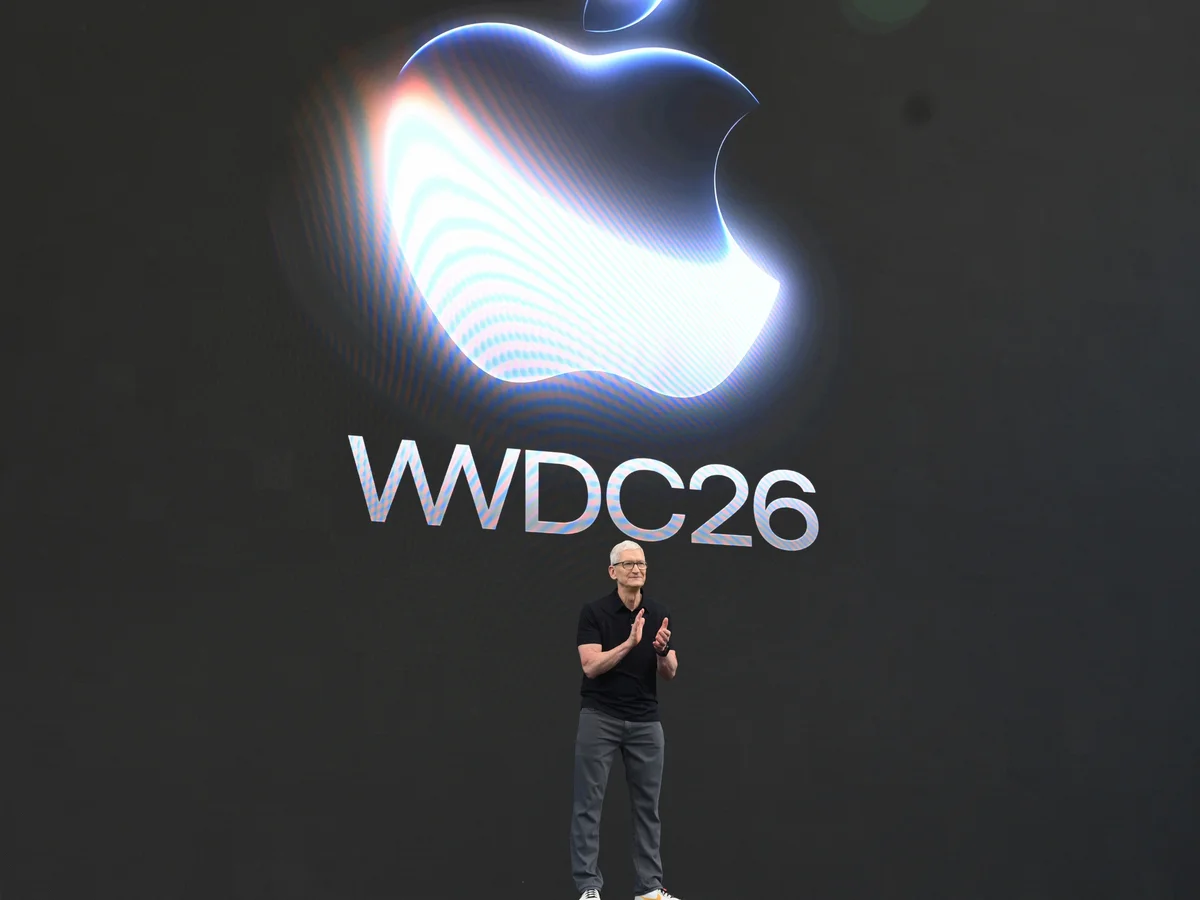
Apple’s Worldwide Developers Conference (WWDC) in 2026 showcased significant advancements in app development through enhancements to Siri and Apple Intelligence tools. This year’s event focused not solely on consumer features but on the underlying technology that developers can utilise to innovate future applications. Many developers engaged in discussions highlighted that Apple is empowering them with more robust intelligence, enhanced system integration, and privacy-oriented tools without necessitating the construction of independent AI models.

The insights gained from developers experimenting with Apple’s new AI capabilities indicate a transformative shift in how applications will be developed on Apple’s platforms. There is a growing sentiment that this initiative will redefine app creation by allowing developers to concentrate on user experience instead of the intricacies of AI development.

A prime example of this is Timo, a productivity app co-founded by Melissa Wurtz Azari and Helene Lassen Norlem. They emphasised that integrating Apple’s foundation models facilitates streamlined function within their app, allowing users to effortlessly manage tasks without the burden of manual organisation. This underscores a notable trend towards user-centric applications that adapt based on personal data rather than a one-size-fits-all approach.

Privacy Features Integrated into App Design

As developers prepare to utilise these AI-enhanced tools, a significant challenge has emerged concerning user privacy. Users are increasingly demanding stronger privacy safeguards in applications that rely on personal data to deliver a smart experience. However, Apple’s approach attempts to bridge this gap by ensuring that data processing occurs directly on devices rather than being transmitted to external servers.

Wurtz Azari and Norlem articulated that the reliance on on-device processing does not hinder their development efforts but rather enhances them. By using Apple’s existing models, they can focus on creating impactful user experiences without the hefty infrastructure costs associated with building proprietary AI systems. Smaller developers like Timo particularly benefit from this model, as it allows them to implement sophisticated functions without extensive investments in AI technology.

This philosophy reflects Apple’s overarching narrative at WWDC 2026, where privacy is presented not as a limitation but as a competitive advantage. The emphasis on privacy-conscious technology is a facet that developers are keen to adopt in crafting user-friendly applications.

Siri AI as a Central Interface for Users

The significance of Siri AI emerged as a pivotal topic at WWDC 2026, with many developers recognising its potential to redefine user interaction. Traditionally, tasks were managed through direct app navigation, but advancements in Siri AI may shift this paradigm. Developers like the team from Timo expressed excitement about Siri becoming a more robust personal assistant rather than just an interface for app execution.

This change means users might no longer need to manually adjust their tasks within applications. Instead, they could verbally command Siri to rearrange schedules or modify appointments, transforming apps into services that operate seamlessly through a unified intelligent framework. This integration represents a future where voice interaction will play a vital role in daily user activities, enhancing the overall experience.

Furthermore, the collaboration between Apple and external AI systems promises to enrich the functionalities available to developers. Access to advanced AI tools allows them to focus on creating richer, user-centric experiences while relying on robust underlying systems, enhancing the potential of applications across various categories.

Expanding Opportunities in the Apple Ecosystem

While many developers highlighted AI, not all shifts in focus were centred on artificial intelligence. Bijoy Thangaraj, founder of Guitar Wiz, underscored the strength of Apple’s interconnected ecosystem. His app showcases seamless integration across multiple Apple devices, creating a harmonious user experience.

The WWDC 2026 event reaffirmed the advantages of Apple’s platform integration. Developers are increasingly motivated to create applications that can operate smoothly across various devices without compatibility issues. This continuity serves as a significant determinant for why developers are keen on building for Apple’s ecosystem.

Thangaraj outlined how his educational app utilises Apple Intelligence to deliver personalised content, emphasizing that AI’s role in customising user experiences is not about creating new content but making existing information more relevant to the individual. This illustrates the practical applications of AI that focus on enhancing user engagement through tailored interactions.

Long or Short, get news the way you like. No ads. No redirections. Download Newspin and Stay Alert, The CSR Journal Mobile app, for fast, crisp, clean updates!

App Store –  https://apps.apple.com/in/app/newspin/id6746449540 

Google Play Store – https://play.google.com/store/apps/details?id=com.inventifweb.newspin&pcampaignid=web_share

Latest News

Popular Videos