


Bengal Implements QR-Based Waste Tracking and Surplus Food Redistribution
The CSR Journal Magazine

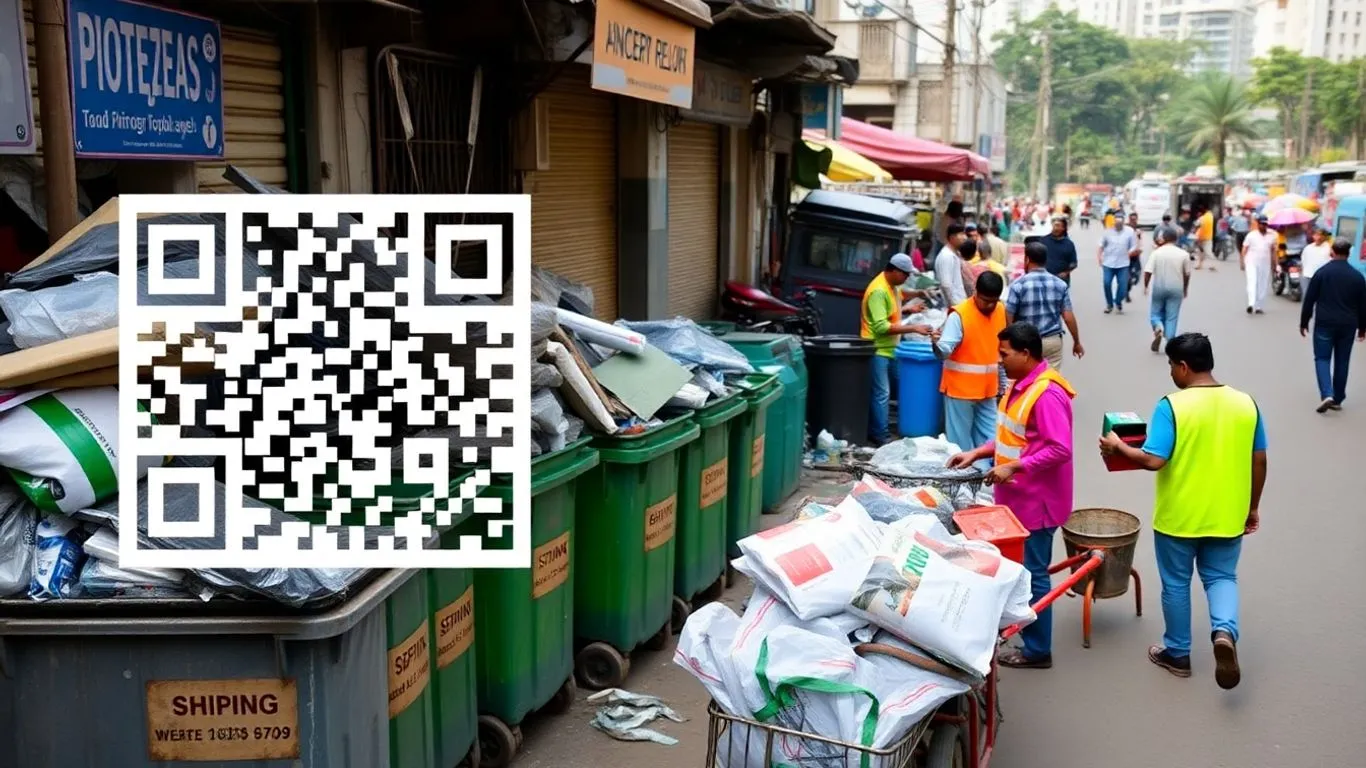
The West Bengal government has unveiled a range of initiatives aimed at modernising urban civic services, including a system that employs QR codes for the identification of households for waste collection. The announcement was made during the assembly session discussing the Urban Development and Municipal Affairs budget on Friday, 24 July 2026. Minister Agnimitra Paul highlighted that these initiatives are intended to enhance transparency, utilise technology, and create a more citizen-friendly environment in local governance.

Among the key proposals is the introduction of GPS tracking for waste collection vehicles. This aims to provide real-time monitoring of routes and ensure accountability. Paul stated that approximately 75,000 ‘Nirmal Bandhus’ and 6,000 ‘Nirmal Sathis’ are currently engaged in waste collection and awareness campaigns across urban local bodies.

The objective is to achieve 100 per cent door-to-door waste collection, along with complete waste segregation at the source. The government has noted that several municipal areas have already implemented door-to-door collection, but now the focus will be on enhancing waste management protocols.

Expansion of Waste Processing Infrastructure

As part of the ongoing efforts to improve waste management, 16 new waste processing plants are operational in West Bengal, with an additional 67 under construction. These facilities are expected to become operational by the financial year of 2026-27. In addition, plans are underway to begin work on another 32 processing plants to further bolster waste management capabilities.

Minister Paul also discussed a plan for scientifically managing legacy waste, aiming to clear existing waste dumps by 31 May 2027. This initiative is designed to reclaim urban land, mitigate pollution, and prevent groundwater contamination. The introduction of biometric attendance systems, material recovery facilities, and composting facilities are also planned.

Furthermore, the government will implement circular economy-based waste management practices and enhance citizen grievance redressal mechanisms, aiming to ensure timely responses to sanitation complaints.

Upgrades to the ‘Maa Ahar’ Food Scheme

There are currently 390 ‘Maa Ahar’ canteens serving roughly 85,000 individuals daily, with nearly 100 located in proximity to hospitals. This expansion of services aims to improve the dining experience for patrons, who have traditionally been required to either stand or take their meals away.

Alongside these changes, a new food recovery initiative will be rolled out to collect surplus food from hotels, restaurants, and social events. The collected food will be stored through a dedicated cold-chain network and quality-tested by food safety officials before being distributed to economically disadvantaged individuals.

The cold-chain infrastructure necessary for the programme will be established, and the initiative aims to prevent good food from going to waste by ensuring its safe collection, preservation, and distribution to those in need.

Long or Short, get news the way you like. No ads. No redirections. Download Newspin and Stay Alert, The CSR Journal Mobile app, for fast, crisp, clean updates!

App Store –  https://apps.apple.com/in/app/newspin/id6746449540 

Google Play Store – https://play.google.com/store/apps/details?id=com.inventifweb.newspin&pcampaignid=web_share

Latest News

Popular Videos
