


Africa CDC Calls On Congo And Uganda To Enhance Funding For Ebola Response
The CSR Journal Magazine

The Africa Centres for Disease Control and Prevention (Africa CDC) has emphasised the necessity for increased funding from the African nations of Congo and Uganda in their fight against the ongoing Ebola outbreak. The organisation’s statement on Friday highlighted that reliance on foreign assistance must diminish, especially as the outbreak continues to claim lives across the region. As of now, more than 200 fatalities have been reported out of 894 confirmed cases since the outbreak was recognised on May 15.

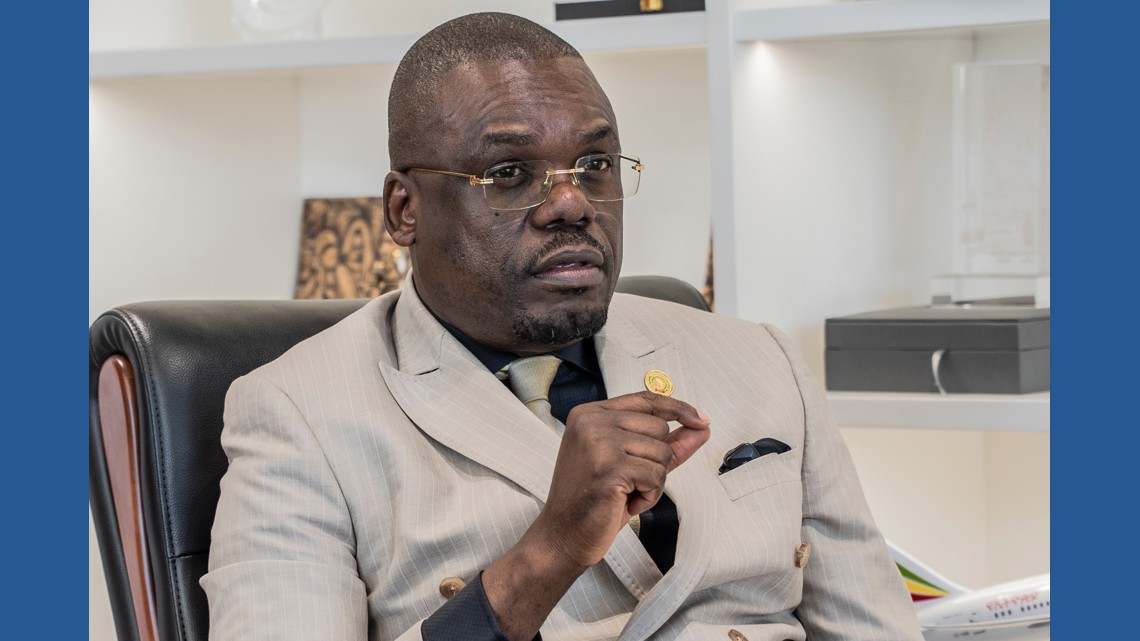
According to Africa CDC, up to 35,000 individuals have been identified as potential contacts of the confirmed cases. The true extent of the outbreak is suspected to be greater, as the confirmation of the initial cases was delayed significantly. Africa CDC’s Director-General, Jean Kaseya, described the current situation as the most severe outbreak at this stage, which reinforces the urgent need for Africa to invest in its own health infrastructure.

Kaseya voiced concerns about the continent’s reliance on external resources for healthcare solutions, pointing out the stark contrast in response capabilities between Africa and regions like Europe or the United States. He stated, “If this outbreak was in Europe, the United States or other continents, they would already have developed a vaccine and medicine.”

Challenges In Treatment And Vaccination Efforts

The ongoing Ebola outbreak, identified as caused by the Bundibugyo virus, presents unique challenges, as there are currently no approved vaccines or treatments available. Most of the previous outbreaks in Congo were attributed to the more common Zaire virus, which has an existing vaccine. The epicentre of the current outbreak is located in the Ituri province of eastern Congo, where health workers are facing immense fatigue while also combatting local resistance and scepticism regarding medical interventions.

Efforts to improve vaccine development in Africa have gained momentum following various health emergencies, including the Covid-19 pandemic. However, Kaseya pointed out that advancements have been slow, with the continent producing less than 1 per cent of the vaccines it requires and only 3 per cent of its medicinal needs met domestically. This leaves a vast population vulnerable to health crises.

Despite ongoing initiatives to expedite the development of both vaccines and diagnostic tools, Kaseya indicated that the availability of a vaccine by the end of this year is uncertain. He expressed concern about the peak of the outbreak still being on the horizon, primarily due to the sluggish pace of tracking and monitoring contacts of confirmed cases.

Mobilising Regional Support For Health Initiatives

Kaseya mentioned the urgent need to accelerate fundraising efforts to mobilise teams that can effectively trace and monitor those who may have come into contact with infected persons. Additionally, he revealed that South African President Cyril Ramaphosa is slated to visit Ituri in Congo and Uganda next week to facilitate financial contributions towards the health response.

The newly established African Epidemic Fund has reportedly garnered pledges amounting to approximately $80 million from various African governments. Furthermore, a recent donor conference has raised about $910 million to support broader public health initiatives. Kaseya concluded by stressing the critical importance of Africa taking charge of its own health needs, asserting that the time has come for the continent to seriously consider the local manufacturing of medicines and vaccines.

Long or Short, get news the way you like. No ads. No redirections. Download Newspin and Stay Alert, The CSR Journal Mobile app, for fast, crisp, clean updates!

App Store –  https://apps.apple.com/in/app/newspin/id6746449540 

Google Play Store – https://play.google.com/store/apps/details?id=com.inventifweb.newspin&pcampaignid=web_share

Latest News

Popular Videos
