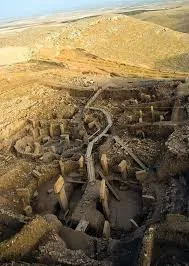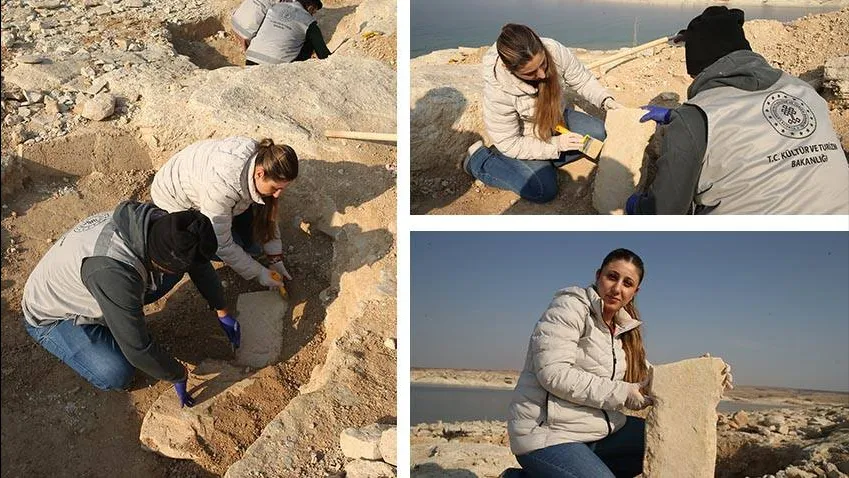

The recent discovery of an 11,000-year-old Neolithic structure at the Atatürk Dam in Turkey marks a significant archaeological find that sheds light on early human civilisation. This structure, believed to date back to the Neolithic period, provides valuable insights into the lifestyle, culture, and social organisation of ancient communities in this region.
Experts suggest that the findings may redefine understandings of human development during the Neolithic era. The structure is considered to be an early example of human architecture, showcasing the advanced skills of construction and planning possessed by societies of that time. Such discoveries help in piecing together the complex puzzle of human history.
The archaeological team involved in the excavation reported that the site features various artefacts, including pottery and tools, which offer further evidence of the daily lives and activities of the inhabitants. This level of preservation hints at the potential of the site to unravel more aspects of early agricultural practices and settlement patterns.
Current Excavation Efforts
The current excavation work is being conducted as part of a comprehensive archaeological survey at the Atatürk Dam area, which holds great promise for future discoveries. Archaeologists are meticulously examining the site to uncover additional layers of history that could provide more context about the early inhabitants of the area.
During the ongoing research, specialists are employing modern techniques to analyse the artefacts, which are believed to hold significant archaeological value. This approach aims to increase understanding of the technological advancements and cultural practices of Neolithic societies, focusing on trade, agriculture, and social structures.
Reports indicate that several additional archaeological layers are present at the site, suggesting a long history of human activity. Each layer potentially corresponds to different periods of habitation, which could further elaborate on the evolution of lifestyle and societal norms in this ancient region.