


Yum Brands Completes $2.7 Billion Sale of Pizza Hut Operations
The CSR Journal Magazine

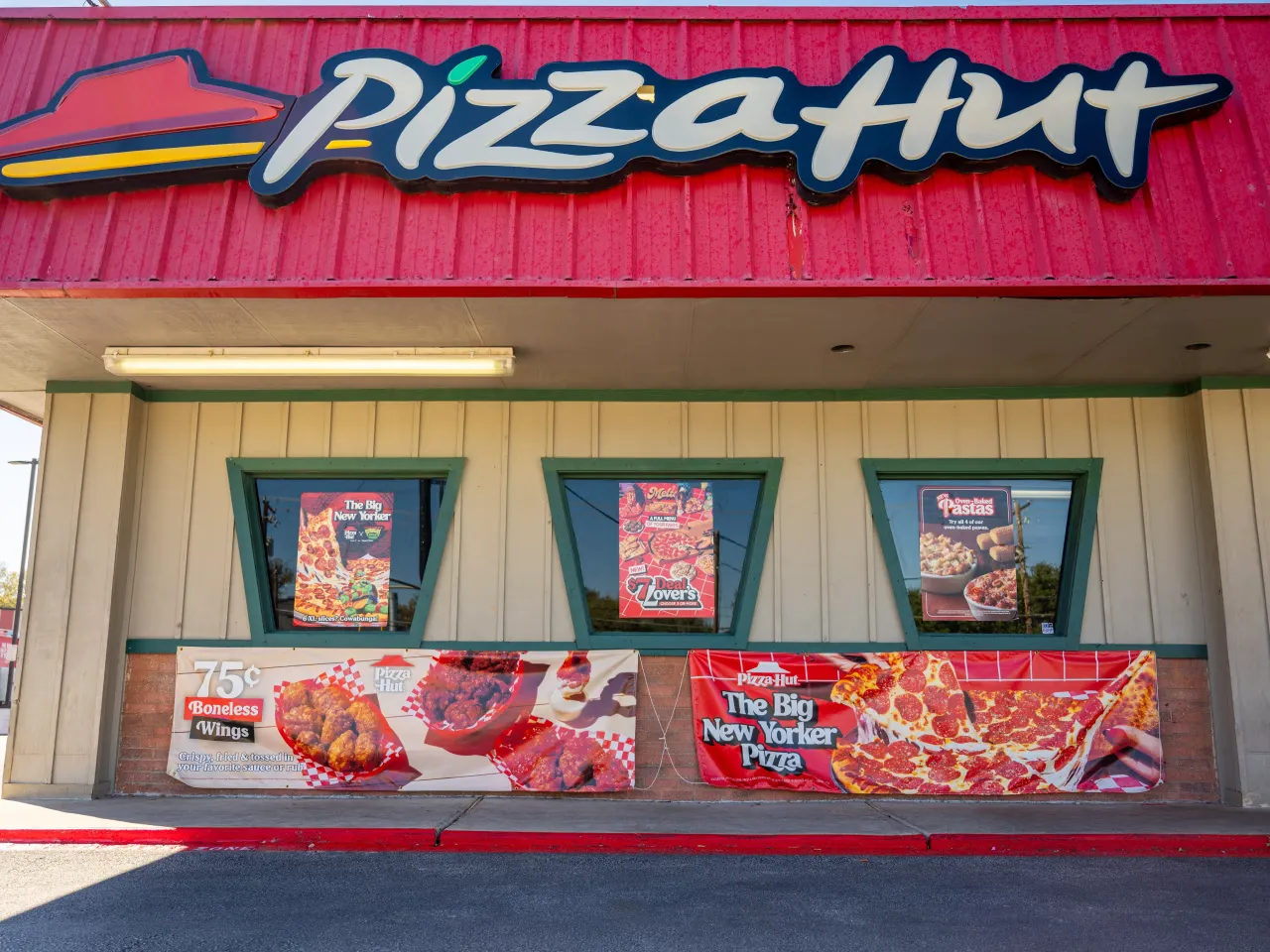
Pizza Hut, a beloved name for many who grew up in the 1990s and early 2000s, is now entering a new phase as its parent company, Yum Brands, has finalised a sale worth $2.7 billion. This agreement highlights the company’s efforts to navigate decreasing sales and heightened competition in the fast-food sector. Yum Brands encompasses various well-known restaurant chains, including KFC and Taco Bell.

The sale will see the Pizza Hut brand divided into two parts. Yum China Holdings will acquire the operations in mainland China for approximately $1.2 billion. Meanwhile, private equity firm LongRange Capital has agreed to purchase the remaining global operations for around $1.5 billion. This transaction is anticipated to be finalised in the third quarter of 2026, pending regulatory approval.

The shift in ownership is part of Yum Brands’ strategy to concentrate more effectively on its profitable segments. Yum’s CEO, Chris Turner, stated that this transaction allows for greater focus on KFC and Taco Bell, which have shown improved growth compared to Pizza Hut in recent years.

Challenges Faced By Pizza Hut

In recent years, Pizza Hut has encountered significant challenges in adapting to changes in consumer behaviour and fierce competition from other pizza and fast-food chains. The company has struggled with declining sales, partly due to rising inflation and increased commodity prices affecting consumer spending habits. Moreover, a trend towards healthier eating, influenced by the popularity of weight-loss drugs, has led many customers to seek alternatives to traditional pizza offerings.

Furthermore, intense pressure from delivery-centric competitors and local pizza chains has added to its difficulties in various markets. After several quarters of declining performance, Yum Brands announced its intention to explore strategic options for Pizza Hut, ultimately leading to exclusive negotiations with LongRange Capital commencing in May.

The global fast-food landscape is evolving, requiring established brands like Pizza Hut to reassess their strategies in order to meet modern consumer expectations. The acquisition by LongRange Capital is seen as a potential opportunity to rejuvenate the brand and its operations.

Pizza Hut’s Historical Significance And Future Outlook

Pizza Hut boasts a notable history within the restaurant industry, having been established as a pioneering brand in casual dining. Originally acquired by PepsiCo in 1977, the chain was subsequently separated in 1997 along with KFC and Taco Bell, becoming part of Yum Brands in 2002. Over the years, it introduced a new dining experience to many consumers in India, especially as international restaurant chains began to enter the market.

The transaction with Yum China reflects a broader industry trend wherein global corporations are increasingly delegating authority to local franchisees. Yum China, headquartered in Shanghai, currently manages over 18,000 restaurants and has aims to expand the Pizza Hut presence in China to more than 6,000 locations by 2028. This localised strategy is expected to better cater to consumer preferences and competitive pressures.

While investors responded positively to the announcement of the sale, with Yum Brands shares rising by approximately 2 per cent, the longevity and revitalisation of Pizza Hut under its new ownership constitute an ongoing concern. The former brand’s legacy in the fast-food world is significant, and its new leadership will face the challenge of steering it towards a sustainable and profitable future.

Long or Short, get news the way you like. No ads. No redirections. Download Newspin and Stay Alert, The CSR Journal Mobile app, for fast, crisp, clean updates!

App Store –  https://apps.apple.com/in/app/newspin/id6746449540 

Google Play Store – https://play.google.com/store/apps/details?id=com.inventifweb.newspin&pcampaignid=web_share

Latest News

Popular Videos
