


US Signs 14-Point Agreement with Iran at Versailles
The CSR Journal Magazine

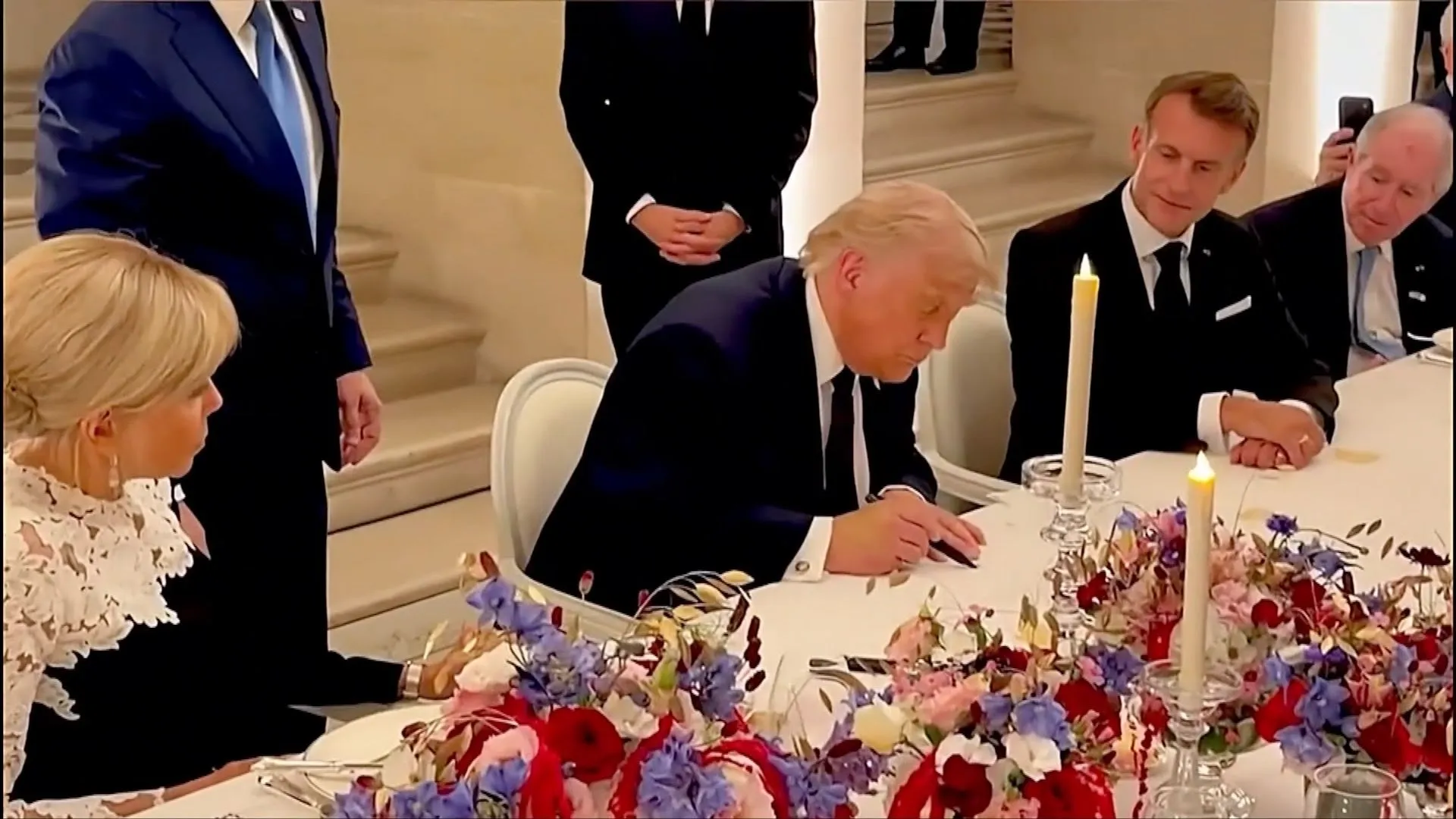
The signing of the 14-point agreement between the United States and Iran took place at the historic Palace of Versailles on June 18, 2026. This event bears striking similarities to the Treaty of Versailles, which was enacted on June 28, 1919, to formally conclude World War I. The original treaty established the victorious powers’ terms against Germany and was significantly influenced by the then President of the United States, Woodrow Wilson.

Wilson was a pivotal figure at the Paris Peace Conference, representing the United States among the major Allied leaders, which included France, Great Britain, and Italy. His vision during this period led to the formulation of his Fourteen Points, a set of principles aimed at achieving a just peace and preventing further global conflicts.

The upcoming anniversary of the Treaty of Versailles adds symbolic weight to this contemporary agreement, juxtaposing historical significance with modern geopolitical negotiations.

Symbolism of the Recent Agreement

The agreement signed by US President Donald Trump at Versailles consists of fourteen key points, mirroring Wilson’s earlier framework for peace. This occasion has been interpreted as a moment of reckoning in international relations, highlighting the evolving dynamics between the United States and Iran. The venue itself, associated with a significant historical treaty, accentuates the importance of this diplomatic engagement.

By choosing this site for the negotiation, it is suggested that Trump aims to underscore a renewed approach to foreign policy rather than merely reflecting on past agreements. The content and implications of the 2026 agreement also invite scrutiny regarding the concessions made by both parties, particularly in light of the adversarial nature of US-Iran relations over the preceding years.

Reports indicate that a closer examination of the pact may reveal that the United States has made concessions that some analysts view as substantial. Iran’s expectations from the agreement have also been noted, pointing to a complex negotiation landscape, which could signal a shift in the regional balance of power.

Impact on US-Iran Relations

This recent agreement is expected to have significant ramifications for US-Iran relations going forward. Following years of tension and conflict, the willingness of both sides to engage in dialogue at such a historic site may lead to a new era of diplomatic interaction. The attention given to the 14-point framework may foster enhanced communication and possibly improve mutual understanding.

Analysts are watching closely to see how this agreement will influence broader Middle Eastern geopolitics and international alliances. Many believe that establishing a working relationship between the US and Iran could have positive ramifications for addressing various regional issues, including security threats and economic considerations.

Ultimately, the agreement marks both a continuation of diplomatic efforts reignited after years of hostility and a potential milestone in reshaping future interactions in the international arena. As the details of the accord become clearer, its long-term effects on peace and stability in the region will be a focal point for both domestic and international observers.

Long or Short, get news the way you like. No ads. No redirections. Download Newspin and Stay Alert, The CSR Journal Mobile app, for fast, crisp, clean updates!

App Store –  https://apps.apple.com/in/app/newspin/id6746449540 

Google Play Store – https://play.google.com/store/apps/details?id=com.inventifweb.newspin&pcampaignid=web_share

Latest News

Popular Videos
