


US, Iran Exchange Fresh Strikes as Hormuz Fighting Escalates After Ceasefire Collapse
The CSR Journal Magazine

The United States and Iran exchanged fresh strikes on Saturday as fighting centred on the Strait of Hormuz intensified following the collapse of an interim ceasefire. The conflict, which began more than four months ago, has increasingly focused on control of the strategic waterway, disrupting shipping, driving up oil prices and widening military activity across the Gulf.

The latest attacks saw the United States strike Iranian military and infrastructure targets, while Iran launched missiles and drones towards Gulf states. Kuwait said it intercepted Iranian missiles and drones, while Bahrain activated air raid sirens as the conflict spread further across the region.

US Targets Military and Infrastructure Sites

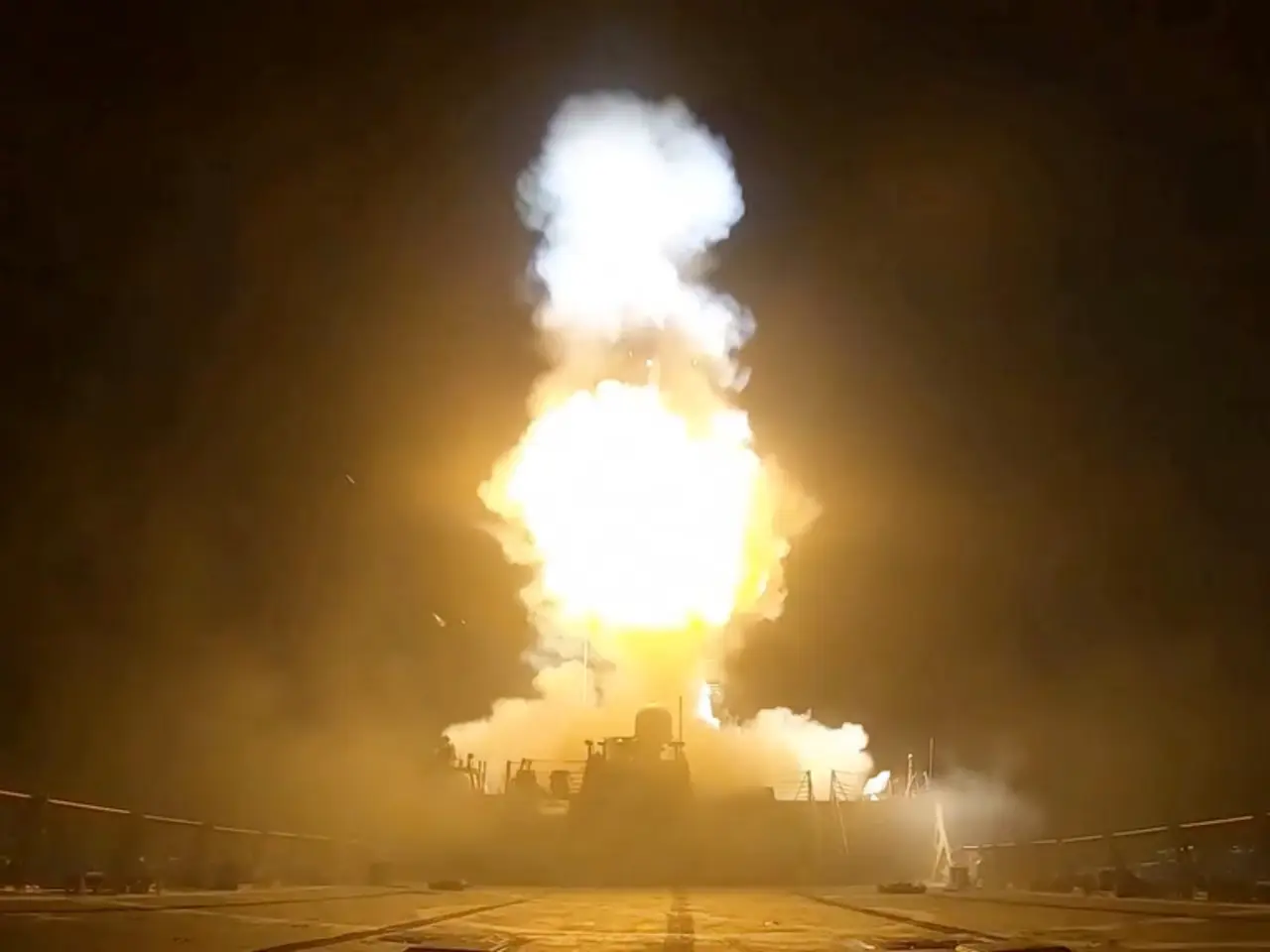
The US Central Command said late on Friday that it had carried out its seventh consecutive night of attacks aimed at weakening Iran’s military capabilities.

It said the latest strikes targeted surveillance sites, military logistics infrastructure, underground weapons storage facilities and maritime assets.

Iranian state television reported that US airstrikes hit highway and railway bridges in Bandar Khamir in Hormozgan province along the Strait of Hormuz. The strikes appeared intended to disrupt transport links between Bandar Abbas, Iran’s main port, and the country’s central regions, including Tehran.

Iran also acknowledged attacks on its power infrastructure for the first time on Friday. The Energy Ministry urged residents in southern provinces experiencing extreme heat to reduce electricity consumption but did not specify which facilities had been damaged.

Casualties Reported on Both Sides

Iranian authorities said at least 46 people had been killed and more than 400 injured in recent US strikes, including eight people killed in a bridge strike on Friday.

US officials said 13 additional American service members, including 10 Army soldiers and three Navy sailors, had been injured since Monday. Since the conflict began, 14 US service members have been killed and 427 wounded.

Overnight strikes into Friday also destroyed a tower at Iran’s Chabahar port on the Gulf of Oman, according to Iran’s state-run IRNA news agency. The US military later confirmed the strike.

Iran said the tower managed commercial maritime traffic into the port, while US Central Command described it as part of a Revolutionary Guard surveillance network used to monitor and target commercial vessels transiting the Strait of Hormuz.

Iranian state media also reported explosions around Ahvaz, Lar, Yazd and Sirik on Friday evening.

Gulf States Come Under Attack

Iran responded by launching missiles and drones across the Gulf.

Qatar urged residents to take shelter after Iranian missiles were fired towards the country. The Qatari Interior Ministry said debris from intercepted missiles injured a child.

Bahrain and Kuwait were also targeted. Kuwaiti authorities said an Iranian strike damaged a power and water desalination plant, while drone attacks on military facilities injured an unspecified number of defence personnel.

Jordan’s military said it intercepted three incoming missiles on Friday morning.

Explosions were also reported in Irbil and Sulaymaniyah in Iraq’s Kurdish region as air defences engaged incoming projectiles.

The attack appeared to target the Iranian Kurdish dissident group Komala, killing at least nine people and injuring several others, according to an official who spoke on condition of anonymity. Iran did not immediately claim responsibility.

Shipping Disruption and Oil Prices

The conflict has continued to disrupt shipping through the Strait of Hormuz, which Iran has effectively closed since the war began on February 28.

Oil prices rose above USD 86 a barrel on Friday, nearing a one-month high, while ship movements through the strait dropped to a three-week low of eight vessels on Thursday, according to MarineTraffic.com.

On Friday, a tanker travelling through the section of the Strait of Hormuz closest to Oman came under attack, according to the United Kingdom Maritime Trade Operations centre. The vessel sustained minor damage and no crew members were injured.

Iran did not immediately acknowledge the incident, although it has openly targeted ships using that route in recent days. Tehran has maintained that the Strait of Hormuz should fall under its sole control and that vessels should pay transit fees, despite the waterway being internationally recognised as an international shipping route.

Trump Faces Pressure as Conflict Continues

Addressing the American public on Thursday, US President Donald Trump said, “We are likewise winning big in Iran, and you will see the fruits of that labour very, very shortly.”

Before the conflict began, Washington and Tehran had been engaged in negotiations over Iran’s nuclear programme. Trump is now facing growing political pressure to bring the conflict to an end and avoid a prolonged war in the Middle East.

With the ceasefire no longer in effect, both sides have continued targeting military installations, ports, transport links and energy infrastructure, while Gulf states remain on alert and commercial shipping through the Strait of Hormuz continues to face severe disruption.

Long or Short, get news the way you like. No ads. No redirections. Download Newspin and Stay Alert, The CSR Journal Mobile app, for fast, crisp, clean updates!

App Store –  https://apps.apple.com/in/app/newspin/id6746449540 

Google Play Store – https://play.google.com/store/apps/details?id=com.inventifweb.newspin&pcampaignid=web_share

Latest News

Popular Videos
