


US Indo-Pacific Command Renamed Back to US Pacific Command
The CSR Journal Magazine

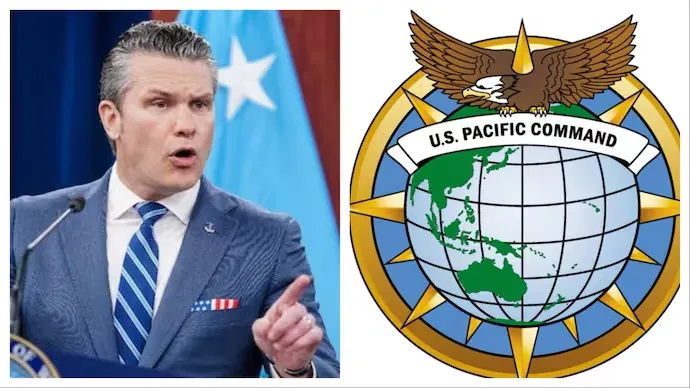
The United States Department of War has confirmed that the US Indo-Pacific Command (USINDOPACOM) will return to its former title, the US Pacific Command (USPACOM). This decision marks a significant shift as the command had been operating under its new designation since 2018.

Background of Name Change

The alteration to US Indo-Pacific Command was introduced by then US Defense Secretary Jim Mattis in 2018. This rebranding was intended to reflect the evolving strategic relevance of the Indian Ocean region and its growing integration with security dynamics in the Pacific. The renaming aimed to symbolise a broader commitment to addressing security challenges in these interconnected maritime areas.

Prior to the 2018 change, the Pacific Command had been known as USPACOM for over seventy years, with its roots tracing back to World War II. During that time, it played a crucial role in military operations across the Pacific region. The name change was part of a broader strategy to enhance military presence and cooperation in the Indo-Pacific region.

The recent decision to revert to USPACOM signifies a potential shift in the current strategic framework employed by the US in the Pacific and Indian Oceans. Analysts have continued to examine the implications of such moves in the context of international relations and regional security.

Implications of the Name Change

The restoration of the original command name raises questions about the strategic intentions of the United States in its foreign military engagements. Observers have noted that this shift may indicate adjustments in defence policy, particularly with regard to relations with regional allies and adversaries.

Furthermore, the renaming could influence how other nations perceive US military presence and operations. Some experts suggest that returning to the traditional name may help reinforce established alliances and partnerships, while also clarifying US military objectives in both the Pacific and Indian Ocean areas.

The US has engaged in numerous joint exercises and defence collaborations with countries in the region, which have been framed within the context of a broader Indo-Pacific strategy. The name change might be interpreted as a reaffirmation of commitment to these partnerships despite alterations in terminology.

Reactions to the Decision

The announcement has generated various reactions among military analysts and policymakers. Some have welcomed the decision, viewing it as a return to a historically significant nomenclature that captures the essence of the command’s long-standing role in regional security. Others argue that the shift in naming could reflect an attempt to simplify a complex strategic narrative.

There is ongoing discourse on how this change will affect future military strategies and potentially influence the geopolitical landscape in the Indo-Pacific. Experts are expected to closely monitor developments and engage in discussions about the operational impacts of this adjustment moving forward.

As the US military continues to adapt to global changes, this decision underlines the importance of nomenclature in military strategy and international relations. The reversion to USPACOM may well be an attempt to reassert a traditional focus while navigating the complexities of modern military engagements in a rapidly changing world.

Long or Short, get news the way you like. No ads. No redirections. Download Newspin and Stay Alert, The CSR Journal Mobile app, for fast, crisp, clean updates!

App Store –  https://apps.apple.com/in/app/newspin/id6746449540 

Google Play Store – https://play.google.com/store/apps/details?id=com.inventifweb.newspin&pcampaignid=web_share

Latest News

Popular Videos
