


US Envoys Arrive In Qatar For Indirect Talks On Hormuz Reopening
The CSR Journal Magazine

Two US envoys have landed in Qatar to discuss plans aimed at advancing peace talks concerning the ongoing conflict with Iran. Their arrival on Tuesday coincides with an uptick in tensions in the Persian Gulf, and the focus of discussions is the reopening of the crucial shipping route known as the Strait of Hormuz.

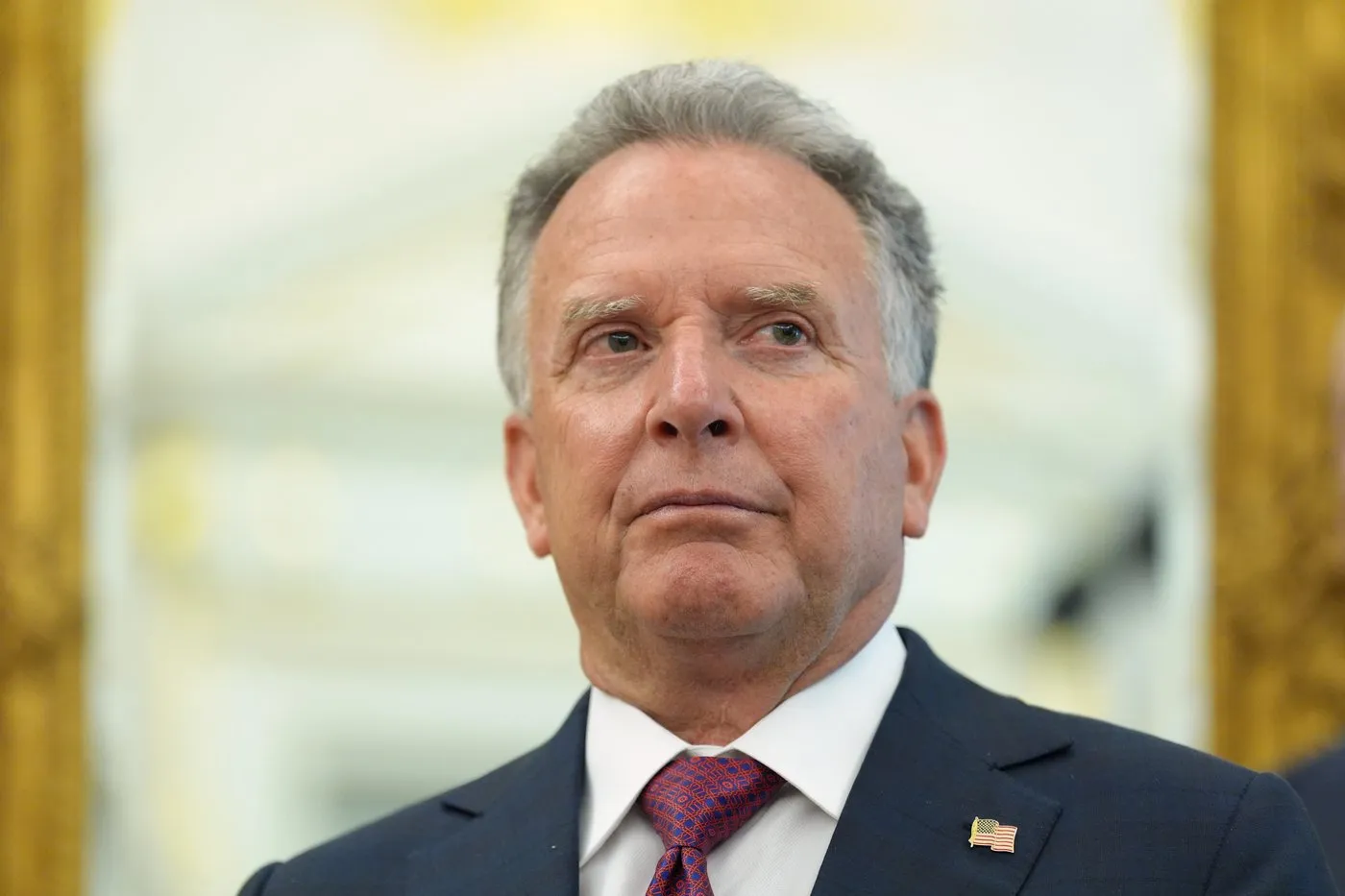
Steve Witkoff, the special Middle East envoy for former US President Donald Trump, and his son-in-law Jared Kushner are part of this delegation. However, they are not expected to engage in direct negotiations with Iranian representatives. Instead, discussions are being facilitated through Qatari intermediaries to manage the complexities involved.

Majed al-Ansari, a spokesperson for Qatar’s Foreign Ministry, confirmed that no senior Iranian officials are likely to attend these discussions at this stage. He stated that technical meetings aimed at implementing aspects of an initial accord continue, indicating ongoing communication between the involved parties.

Previous Indirect Talks and Current Context

This is not the first instance of indirect negotiations between the US and Iran. Past discussions, however, have been marred by conflict, notably the outbreak of a war initiated by Israel against Iran in 2025. Recent events have added further strain to relations between the two nations, complicating dialogue efforts.

Additionally, it has been reported that Iran plans to send its own delegation to Qatar within the week. Nevertheless, Esmail Baghaei, a spokesperson for the Iranian Foreign Ministry, outlined that Tehran currently does not intend to engage in meetings with the American side in the near future. Potential communications may still occur indirectly through Qatari officials.

The agenda for the Doha discussions reportedly includes conversations about executing particular sections of a memorandum of understanding, which encompasses the release of Iranian assets that have been previously frozen. This marks a critical aspect of the ongoing negotiations.

Implications of the Hormuz Strait and Related Tensions

The US and Iran recently reached a temporary agreement earlier this month which stipulates that Iran would reduce its stockpile of enriched uranium. The terms of the agreement also involve a suspension of US-backed oil sanctions and facilitate unobstructed shipping through the Strait of Hormuz, along with a 60-day window for both countries to finalise more comprehensive arrangements.

Before the commencement of conflict on February 28, the Strait of Hormuz accounted for approximately one-fifth of the global oil supply. However, reports indicate that Iranian actions—including attacks on vessels and threats—have significantly obstructed the passage of cargo ships through this vital maritime corridor, contributing to a worldwide energy crisis.

The Strait, while lying within the territorial waters of Iran and Oman, is internationally regarded as a crucial waterway. Recent military exchanges have escalated tensions, with Iran allegedly attacking vessels, prompting retaliatory airstrikes from the US. These confrontations underline the precarious situation surrounding maritime activities in the region.

As discussions progress in Doha, the primary objective remains to implement terms of the interim agreement while managing ongoing indirect communications amid rising tensions in the Strait of Hormuz. Observers are keenly watching how these developments unfold in the coming days.

Long or Short, get news the way you like. No ads. No redirections. Download Newspin and Stay Alert, The CSR Journal Mobile app, for fast, crisp, clean updates!

App Store –  https://apps.apple.com/in/app/newspin/id6746449540 

Google Play Store – https://play.google.com/store/apps/details?id=com.inventifweb.newspin&pcampaignid=web_share

Latest News

Popular Videos
