


US and Iran Reach Interim Peace Deal, Netanyahu Faces Political Challenges
The CSR Journal Magazine

The recent conflict between the US and Iran has reached a significant turning point, as an interim peace agreement was signed by President Donald Trump and Iranian President Masoud Pezeshkian. Trump has positioned this development as a substantial achievement for the United States. Despite the end of hostilities, Iran has demonstrated resilience, managing to withstand a month-long military campaign involving major global powers. The outcome of the confrontation ultimately produced no clear victors.

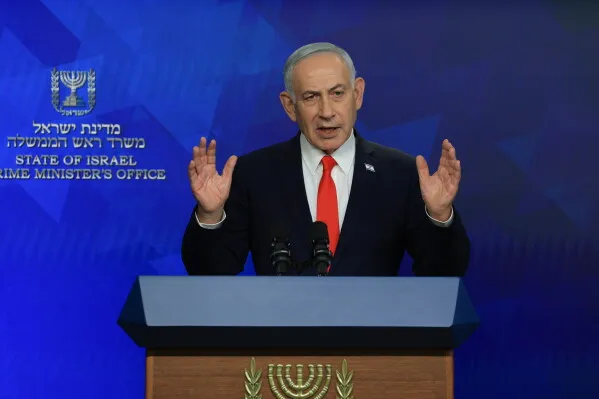
Israeli Prime Minister Benjamin Netanyahu, however, is grappling with the implications of this situation as he heads into a crucial election this October. Over the past three years, he has engaged in multiple conflicts with Iran, Hamas in Gaza, and Hezbollah in Lebanon, aiming to create what he termed a “new Middle East.” Despite some military successes, the absence of lasting victories for Israel raises concerns regarding Netanyahu’s effectiveness as a leader.

Consequences for Netanyahu and Israel

The peace deal presents a significant predicament for Netanyahu, as it appears to undermine many of Israel’s strategic goals. The stability of Hamas in Gaza, the continued presence of Hezbollah in Lebanon, and the unchanged status of Iran’s leadership are stark reminders of the challenges facing Israel. Additionally, the fact that Pakistan was selected as a facilitator in the negotiations, rather than Israel, adds to Netanyahu’s political challenges.

Netanyahu has long identified Iran and its regional allies as existential threats to Israel. His initiatives to neutralise these threats have not yielded the results he had anticipated, particularly following the US-Iran accord, which many perceive as lacking in beneficial outcomes for Israel. The recent developments mark a stark departure from earlier alliances, raising questions about Netanyahu’s political acumen and leadership.

Reports suggest that this interim agreement leaves Israel’s military ambitions largely unfulfilled, and has strained Netanyahu’s relationship with Trump. The close ties enjoyed previously have somewhat eroded, leaving Netanyahu with little political capital just months before an election in which he must present tangible results to his constituents.

Political Ramifications and Future Challenges

The inclusion of Lebanon as a significant point in the agreement has heightened tensions in Israel. Netanyahu has had to reassure the public that military operations in regions currently controlled by Israel will continue despite Iran’s demands for restraint. This has proven to be a challenging stance to maintain amidst domestic and international scrutiny.

The sequence of events stemming from the peace negotiations has highlighted the fragility of Netanyahu’s governance, especially in light of the October 2023 security crisis, when Hamas executed a surprise attack that resulted in substantial casualties. Netanyahu’s inability to foresee this event has prompted criticism, with his opposition leveraging the situation to question his capabilities and judgement.

In the wake of the peace agreement, political analysts note that Netanyahu’s inability to deliver on strategic objectives has provided his opponents with ample ammunition to challenge his leadership. Former leaders have openly critiqued Netanyahu’s handling of relations with Iran, reinforcing the perception of his perceived failures. As the election approaches, Netanyahu must navigate a complex political landscape where perceptions of his effectiveness are under intense scrutiny.

Long or Short, get news the way you like. No ads. No redirections. Download Newspin and Stay Alert, The CSR Journal Mobile app, for fast, crisp, clean updates!

App Store –  https://apps.apple.com/in/app/newspin/id6746449540 

Google Play Store – https://play.google.com/store/apps/details?id=com.inventifweb.newspin&pcampaignid=web_share

Latest News

Popular Videos
