


Ukrainian Drones Target Moscow Oil Refinery in Significant Assault
The CSR Journal Magazine

The Ukrainian drone offensive targeting Moscow recently intensified with a significant attack on a local oil refinery. This incident occurred on June 18, 2026, and resulted in substantial damage to the facility. Reports indicate that this was part of Ukraine’s largest coordinated strike on the city in the past two years, as noted by Russian state news agency TASS.

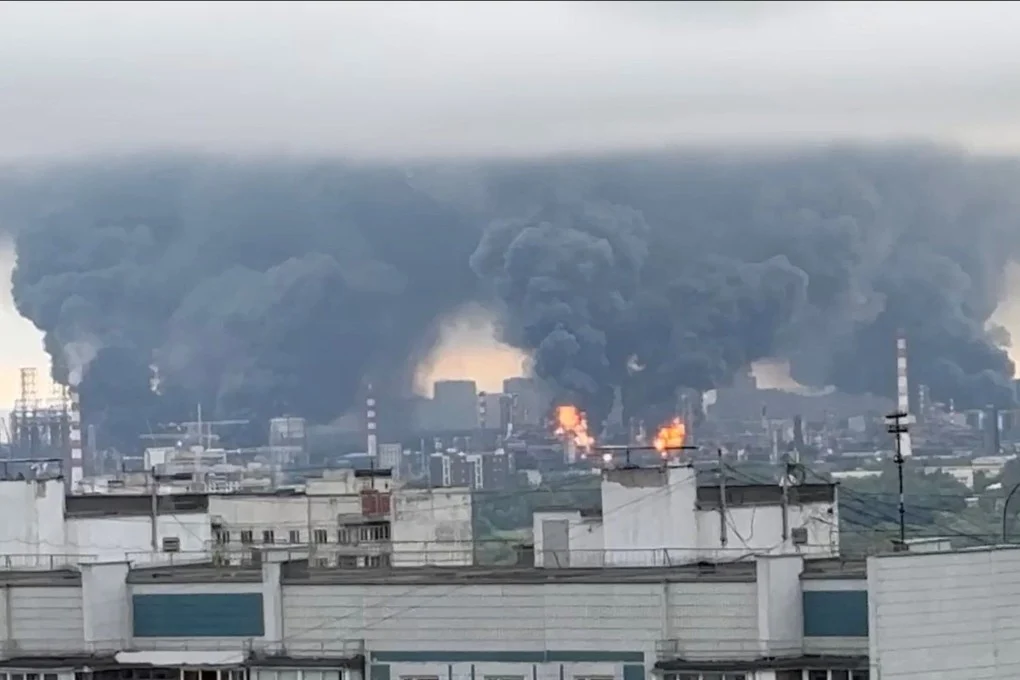
The Gazprom Neft oil refinery, situated in the Kapotnya administrative district of Moscow, approximately 15 kilometres from the Kremlin, was struck by at least seven drones. This facility is vital to Moscow’s fuel supply, reportedly refining around 12 million tons of oil annually and catering to 70 per cent of the petrol consumed within the capital and its surroundings.

This attack follows a similar drone strike on the refinery just days earlier, highlighting a pattern of escalating tensions and targeted actions. Footage circulating on social media depicts significant fire and smoke rising from the complex, prompting emergency services to respond swiftly to the site.

Broader Context of the Attacks

The strikes on the Moscow oil refinery are part of a more extensive Ukrainian military strategy aimed at disrupting Russia’s war economy. The Mayor of Moscow, Sergei Sobyanin, confirmed that air defences in the city had successfully intercepted at least 194 drones during the overnight assault, underscoring the severity of the threat faced.

Furthermore, the Russian Defence Ministry disclosed that its air defences had shot down an estimated 555 Ukrainian drones across various regions in the country overnight. Despite these measures, the scale of the attack led to widespread alarm in Moscow, with residents reporting the noise from drones and explosions, exacerbated by the absence of air raid sirens.

Impact on Moscow and Response from Ukrainian Authorities

The drone strikes inflicted considerable disruption across Moscow, halting traffic on major routes, particularly the ring road near the refinery. The Interior Ministry of Russia confirmed that operations at the city’s four major airports—Domodedovo, Vnukovo, Sheremetyevo, and Zhukovsky—were suspended as a precautionary measure.

Ukrainian President Volodymyr Zelenskyy referred to the attacks as a justified retaliation against ongoing Russian military actions impacting Ukrainian cities and communities. In a Telegram post from Brussels, where he was attending NATO meetings, Zelenskyy highlighted the precision and effectiveness of Ukraine’s recent military operations.

In response, Russian forces launched a counter-offensive, firing seven missiles and deploying 239 drones targeting Ukrainian sites, including infrastructure in the Kyiv and Poltava regions. Authorities from both nations reported multiple impacts, resulting in damage to residences and energy facilities.

The consistent strikes on Russian oil refineries have been a strategic focus for Ukraine since the escalation of conflict in 2024. These actions aim to destabilise key economic sectors in Russia, leading to decreased output and significant financial losses within the oil sector. As of mid-2026, Ukrainian attacks on at least 24 out of 33 major Russian refineries have been recorded, disrupting operations and causing severe reductions in refining capacity across the nation.

Long or Short, get news the way you like. No ads. No redirections. Download Newspin and Stay Alert, The CSR Journal Mobile app, for fast, crisp, clean updates!

App Store –  https://apps.apple.com/in/app/newspin/id6746449540 

Google Play Store – https://play.google.com/store/apps/details?id=com.inventifweb.newspin&pcampaignid=web_share

Latest News

Popular Videos
