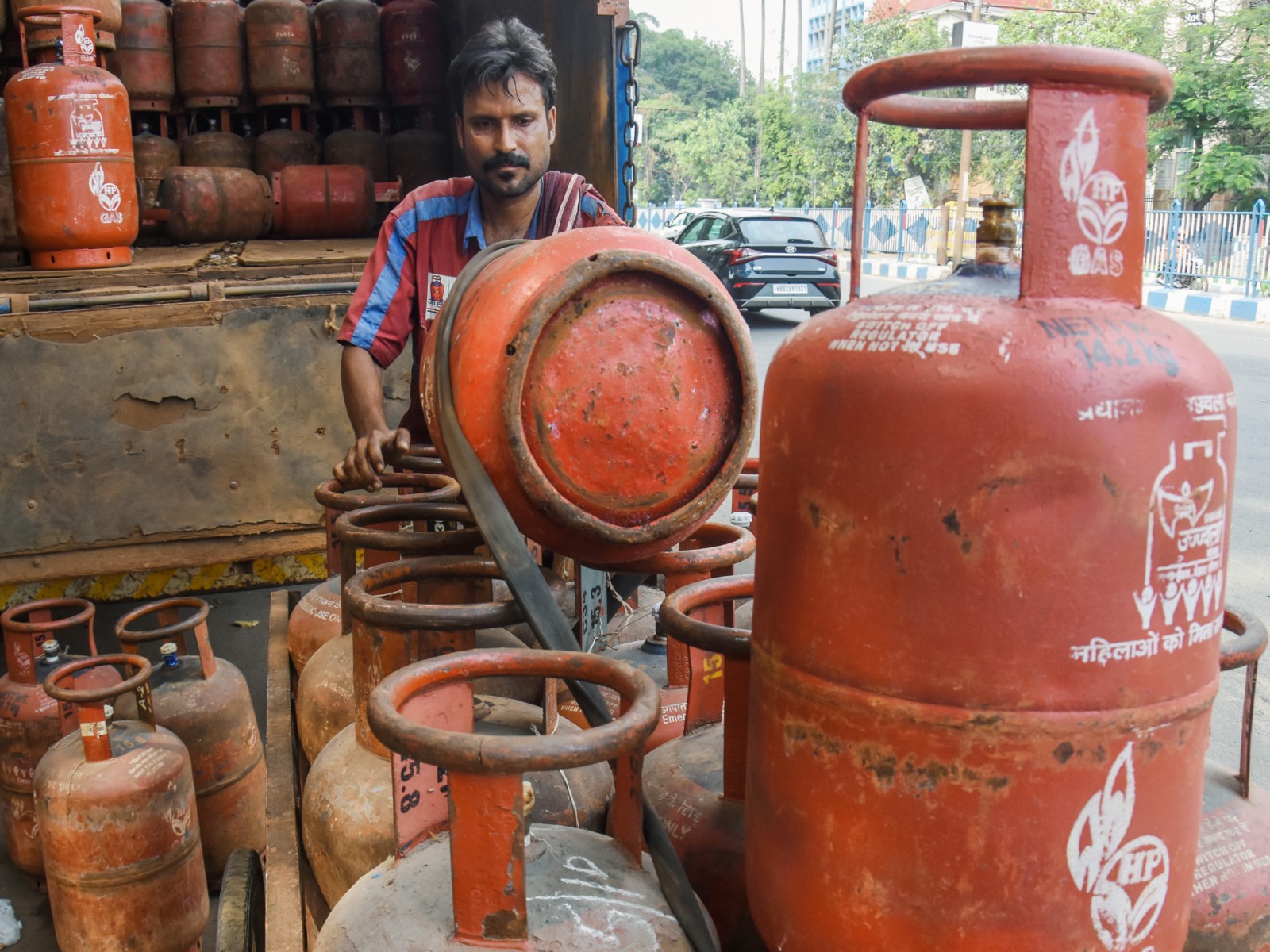
Kolkata, Apr 04 (ANI): An LPG cylinder delivery man carries a refilled cylinder from a distribution centre during urgent supply efforts amid shortages caused by the Middle East conflict, in Kolkata on Saturday. (ANI/Photo)
The recent hike in LPG prices has prompted the Centre to revise the subsidy structure under the Pradhan Mantri Ujjwala Yojana (PMUY), impacting consumers significantly. The updated framework limits the subsidy amount of Rs 300 per cylinder to the first four refills within a single year. This cap suggests that beneficiaries will receive a maximum annual subsidy of Rs 1,200.
Previously, the subsidy framework allowed for a more flexible allocation, which provided greater financial relief for households relying on subsidised LPG. However, the new limitation is seen as a direct response to the ongoing increase in global crude oil prices, which has made managing subsidies more challenging for the government.
Under the PMUY, the aim was to ensure that lower-income households had access to clean cooking gas. As the financial implications of fluctuating crude prices take their toll, many consumers will now face increased out-of-pocket expenses for their cooking fuel.
Impact on Low-Income Households
The alteration in the subsidy scheme is likely to weigh heavily on low-income families who have come to rely on the financial support provided by government initiatives. With the capping of subsidies, there are concerns that households may revert to using less efficient and polluting fuels, which could have adverse effects on health and the environment.
Reports indicate that the monthly financial burden on these families may increase, particularly in regions where the cost of living has already been challenging. With the limited number of subsidised refills available, families might find themselves in a precarious situation, needing to manage their fuel usage more carefully to avoid higher expenses.
Experts urge that it is crucial to monitor the impact of this subsidy cap on consumer behaviour and household spending. This step raises questions about the long-term sustainability of energy access for vulnerable communities, who might now have to consider alternatives that could diminish their health standards.
Context of Global Crude Price Surge
The revision of the LPG subsidy framework comes against the backdrop of a notable surge in global crude prices. Factors contributing to this increase include geopolitical tensions and supply chain disruptions affecting oil-producing nations. As a result, the Indian government faces mounting pressure to balance subsidy support with fiscal constraints.
As crude prices soar, the government’s decision to restrict subsidies signifies a shift in policy aimed at curtailing the financial burden on the state. Authorities hope to maintain fiscal discipline while providing essential services, but the challenges of rising global prices complicate these efforts further.
Moreover, the changes to the PMUY subsidy structure reflect broader economic realities. As the government navigates this financial landscape, the impact on consumers will be closely watched. The expectations are that this policy adaptation will lead to further adjustments depending on future fluctuations in crude prices.
Future Outlook
The future of the LPG subsidy under the PMUY remains uncertain as stakeholders assess the broader implications of rising energy costs. Households across the country will need to adapt to these new limitations while continuing to advocate for more comprehensive support from the government.
The discussions surrounding energy accessibility are likely to intensify, especially with rising inflation impacting various sectors. Analysts suggest that the government may need to revisit its subsidy policies to ensure pregnant engagement with the most affected communities.
In conclusion, while the aim of the Ujjwala scheme remains to facilitate access to clean cooking fuel, the recent subsidy changes will require both consumers and policymakers to reconsider their approaches to energy use and support within the Indian economy.
Long or Short, get news the way you like. No ads. No redirections. Download Newspin and Stay Alert, The CSR Journal Mobile app, for fast, crisp, clean updates!
The recent rise in domestic cooking gas prices in India has effectively increased the cost by Rs 29 per cylinder, following an official announcement...
Liquefied Petroleum Gas (LPG) has long been the primary source of cooking fuel for numerous households in India. This fuel, which consists mainly of...