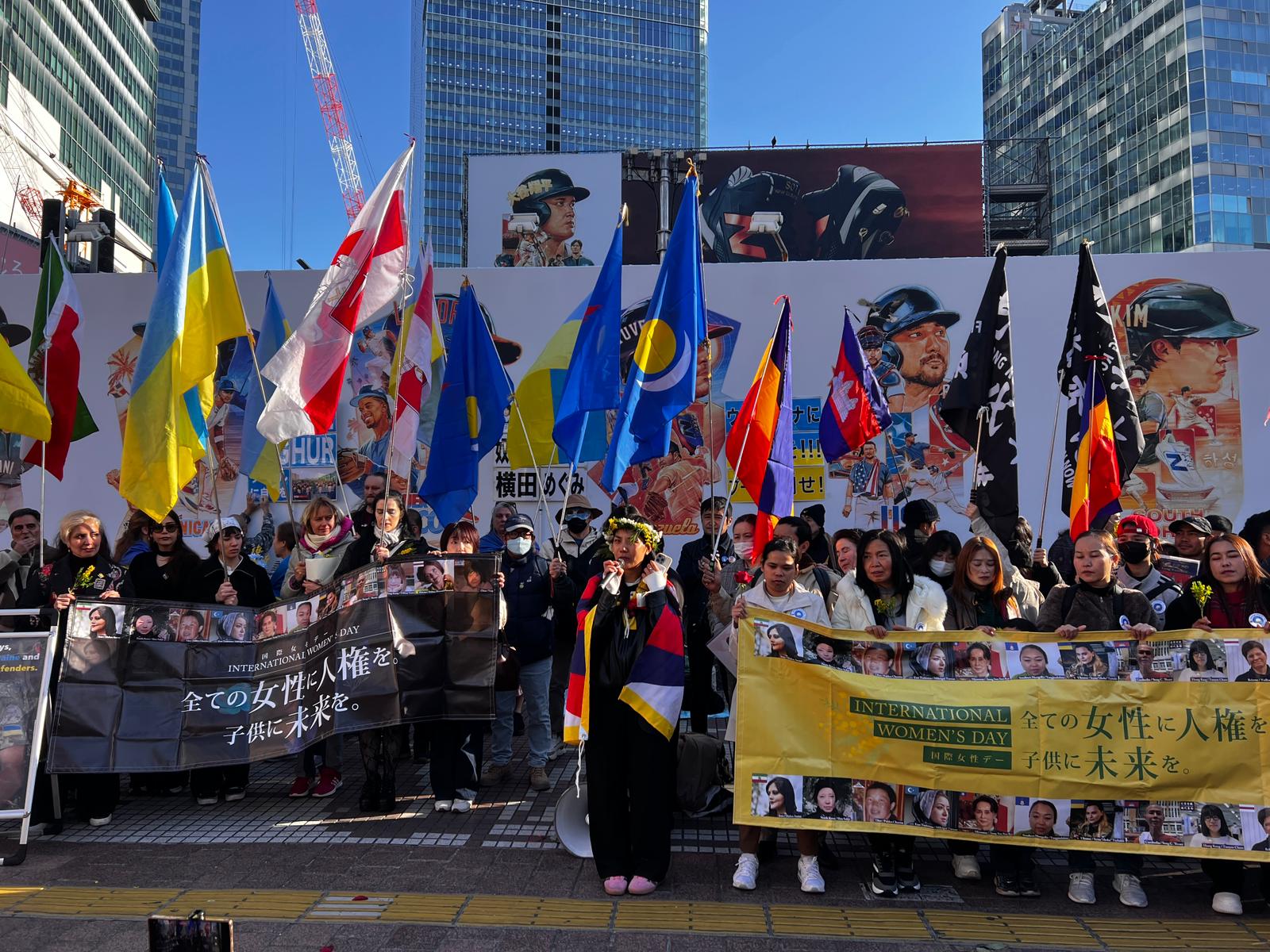
Tokyo marked World Refugee Day with a two-day photo exhibition organised by Tibet House Japan, showcasing the ongoing struggles faced by the Tibetan community under Chinese governance. This event took place at the Bunkyo Civic Centre and featured discussions centred on the preservation of Tibetan culture and identity in exile, alongside the rich history and teachings of the Dalai Lama. The occasion aligns with the United Nations’ World Refugee Day, observed annually on June 20, which aims to honour refugees globally and reinforce the commitment to fostering a world devoid of forced displacement.
History of Tibetan Displacement
The Tibetan region has experienced profound upheaval since it came under Chinese military control in 1950. Reports indicate that this period has led to the loss of over 1.2 million Tibetan lives, the destruction of more than 6,000 monasteries and nunneries, and the loss of countless religious texts. Following these tumultuous events, the Dalai Lama fled to India in 1959, prompting around 80,000 Tibetans to seek refuge in India, Nepal, and Bhutan as they sought safety and preservation of their cultural identity.
At the event, Dr. Tsewang Gyalpo Arya, the Representative of the Liaison Office of the Dalai Lama, addressed attendees about both the historical context and current challenges faced by Tibetans in exile. He highlighted the community’s efforts to maintain their cultural heritage while advocating for freedom and justice for their people. His remarks emphasised the continuing relevance of the Dalai Lama’s four lifelong commitments, which include promoting human values, ensuring religious harmony, safeguarding Tibetan culture, and reviving the ancient Nalanda tradition.
In his speech, Dr. Arya expressed serious concerns regarding China’s educational policies, particularly concerning Tibetan children. He alleged that nearly one million Tibetan children are subjected to assimilation practices through Chinese colonial boarding schools. Furthermore, he addressed the recently enacted Ethnic Unity and Progress Law, stating that the law is designed to undermine the identity, language, and culture of Tibetans and other minority groups within China.
Community Engagement and Visitor Experience
The exhibition garnered considerable interest, attracting over 150 visitors who shared personal experiences related to their travels to Tibet and India, as well as their encounters with the Dalai Lama’s teachings. Volunteers at the event provided attendees with information regarding the ongoing Tibetan issue, helping to raise awareness about the challenges confronting the Tibetan community.
As part of the activities, the Office of Tibet, Japan, announced the upcoming discussion scheduled for July 1, which will include representatives from Tibetan, Uyghur, Southern Mongolian, and Hong Kong communities. This gathering aims to explore the implications of the aforementioned Ethnic Unity and Progress Law and its impact on various ethnic minorities.
This exhibition and the accompanying discussions underscore the pressing need for global awareness regarding the plight of the Tibetan people and their cultural preservation efforts. As the issues facing the Tibetan community persist, events like these serve as vital platforms for dialogue and education about human rights and the importance of cultural identity.
Long or Short, get news the way you like. No ads. No redirections. Download Newspin and Stay Alert, The CSR Journal Mobile app, for fast, crisp, clean updates!