


Tensions Rise as US Blocks Strait of Hormuz, Expert Warns of Escalation
The CSR Journal Magazine

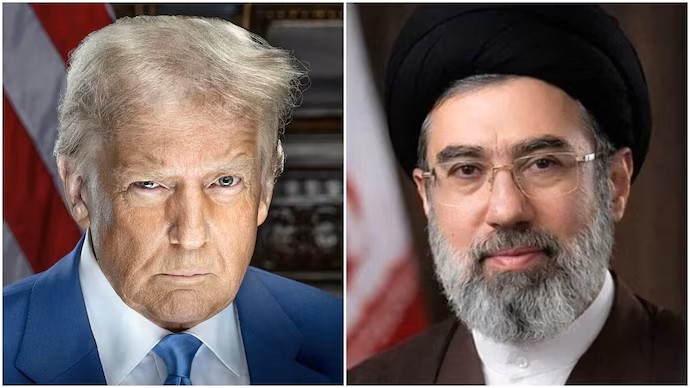
Tensions in the Middle East are escalating, primarily due to intensified maritime enforcement actions by the United States against Iran. Waiel Awwad, a prominent foreign affairs expert, expressed his concerns regarding this escalating situation in a conversation with ANI on May 28. He described the rhetoric from President Donald Trump as “unfortunate” and “aggressive,” igniting worries about a potential wider conflict in the region.

Awwad’s remarks specifically address the heightened tensions surrounding the Strait of Hormuz, where the US is currently implementing a strict blockade against Iran. The expert argues that the latest threats directed at Oman, a historically significant peace mediator in the region, exacerbate an already volatile atmosphere.

He stated, “I do not know why the United States President has to resort to such rhetoric, threatening another peaceful country with total destruction because it does not come to his own terms.” His comments highlight the risks inherent in such incendiary language, which could lead to further conflict.

Geopolitical Implications and Military Movements

The standoff presents critical implications for the region, especially given Iran’s reported attempts to implement a tolling system on commercial vessels traversing the Strait of Hormuz. This initiative appears to align with Omani interests, drawing a swift response from the United States. US Treasury Secretary Scott Bessent issued a firm warning against any attempts to impose such a system, emphasizing that the US “will not tolerate” this manoeuvre.

To reinforce this ultimatum, the United States has bolstered its military presence in the region. The US Central Command (CENTCOM) confirmed that over 20 warships are currently engaged in enforcing the blockade. This includes the USS Tripoli (LHA 7), which has been actively patrolling the Arabian Sea as part of broader operations to maintain control over maritime activities near the Strait of Hormuz.

In a statement, CENTCOM revealed that US forces have redirected 111 commercial vessels to ensure compliance with their directives. This highlights the US’s commitment to maintaining navigational freedom in this strategic waterway, which carries a significant volume of global oil shipments.

Potential for Further Escalation and Retaliation

Awwad cautioned that the hostilities could lead to a dangerous cycle of retaliation, noting that US strikes on Bandar Abbas were conducted despite an existing truce. He warned that Iranian reprisals against American military installations in Kuwait could further complicate the already tense situation.

“This is a major escalation,” he remarked. Awwad expressed hope that both parties involved would exercise restraint to avoid a full-scale war. He posited that Washington’s “my-way-or-the-highway” approach could prove counterproductive, as it might lead to further alienation of regional partners.

Awwad concluded by highlighting that the United States cannot dictate terms regarding the Strait of Hormuz; that responsibility lies with the regional nations themselves. “If the President thinks that by threatening them, the Omanis will not join the Iranians in a compromise… he is mistaken,” he stated. This perspective underscores the complexity of the geopolitical dynamics at play in the region, hinting at the need for diplomatic engagement rather than threats.

Long or Short, get news the way you like. No ads. No redirections. Download Newspin and Stay Alert, The CSR Journal Mobile app, for fast, crisp, clean updates!

App Store –  https://apps.apple.com/in/app/newspin/id6746449540 

Google Play Store – https://play.google.com/store/apps/details?id=com.inventifweb.newspin&pcampaignid=web_share

Latest News

Popular Videos
