


Taiwan Sees AI-Driven Economic Boom as Semiconductor Exports Surge, but Growth Remains Uneven
The CSR Journal Magazine

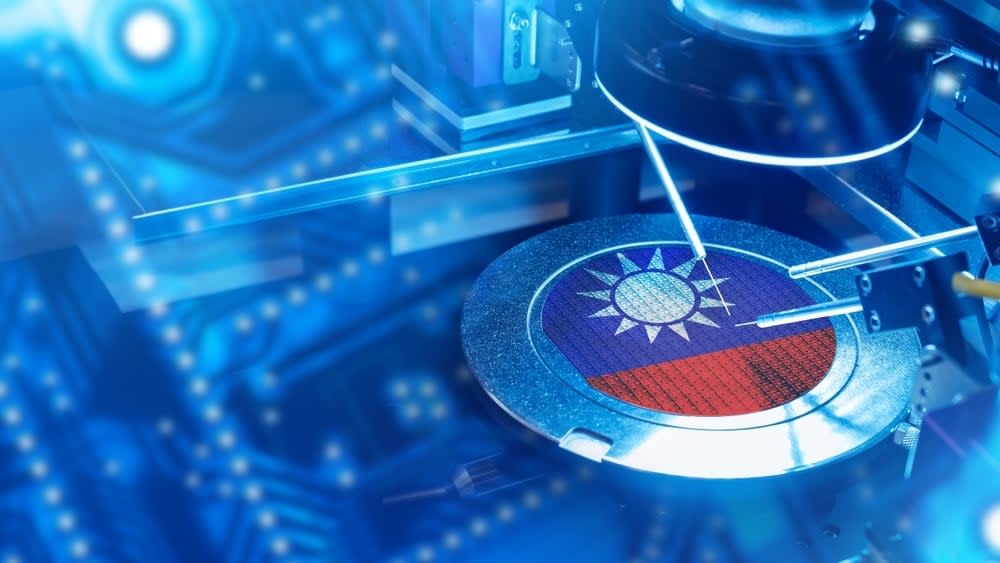
Taiwan is experiencing substantial economic expansion, primarily attributed to advances in artificial intelligence (AI) and significant exports of semiconductors. This growth has resulted in an impressive GDP increase of 8.63 per cent in 2025, followed by a remarkable 13.69 per cent in the first quarter of 2026. The country has become a powerhouse in semiconductor production, supplying approximately 90 per cent of the most advanced chips critical for AI systems.

The semiconductor industry contributes more than 20 per cent to Taiwan’s GDP, as highlighted by US trade data. Taiwan Semiconductor Manufacturing Company (TSMC), a leader in this sector, plays a pivotal role, catering to major clients like Nvidia and Apple. TSMC alone constitutes over 40 per cent of the island’s stock market value, underscoring its significant influence on Taiwan’s economic landscape.

Amidst this growth, concerns have emerged regarding the uneven distribution of economic benefits. Many individuals, particularly those outside the tech sector, feel excluded from the prosperity generated by the AI surge. Some former graduates working in non-tech fields report less favourable economic conditions compared to their peers in technology-focused jobs.

Disparities in Economic Benefits

Despite the thriving tech industry, the semiconductor sector employs only about 300,000 individuals in Taiwan, which has a workforce of 11 million. This figure contrasts sharply with around seven million employees in the service sector. Economists observe that the robust growth is heavily concentrated in the technology industry, resulting in a widening wealth gap within society.

The term “K-shaped economy” has been used to describe this phenomenon, where some sectors flourish while others stagnate. Taiwan’s Central Bank Governor, Yang Chin-lung, has expressed concerns regarding this divide and its implications for long-term economic stability. The nation’s economic model has led to a rising dual society characterised by the significant accumulation of wealth in the tech sector.

Historian James Lin asserts that previous economic growth in Taiwan, primarily between the 1970s and 1990s, was propitious due to small and medium-sized enterprises. He notes that wealth was more widely distributed during that era compared to the current situation, where large corporations like TSMC garner the majority of foreign investments.

Challenges Faced by Non-Tech Industries

Non-tech sectors are reportedly grappling with challenges exacerbated by international trade dynamics, including tariffs imposed by the United States. President Donald Trump’s tariffs are said to affect traditional manufacturers more significantly than those in the tech sector, especially as Taiwan struggles to establish free trade agreements.

The government claims it does not manipulate currency; however, it admits to intervening in the market to manage volatility. As a result, while exports may be more competitive, the purchasing power of consumers has diminished. Although real wages experienced a modest increase, a considerable portion of the workforce still earns below the average, highlighting disparities in earnings.

Additionally, rising living costs, particularly in the housing market, have caused frustration among many Taiwanese. A recent survey indicated that 40 per cent of respondents felt financially anxious, with concerns primarily rooted in escalating housing prices rather than any tangible improvements in living conditions.

Long or Short, get news the way you like. No ads. No redirections. Download Newspin and Stay Alert, The CSR Journal Mobile app, for fast, crisp, clean updates!

App Store –  https://apps.apple.com/in/app/newspin/id6746449540 

Google Play Store – https://play.google.com/store/apps/details?id=com.inventifweb.newspin&pcampaignid=web_share

Latest News

Popular Videos
