


Supreme Court Dismisses Challenge to Election Commission’s Transfers in West Bengal
The CSR Journal Magazine

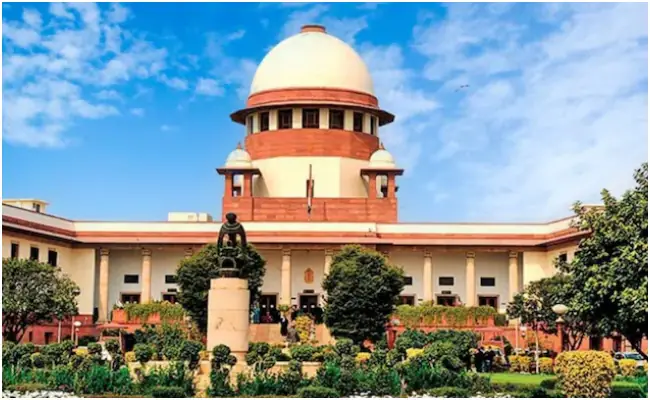
The Supreme Court has dismissed a petition against the Election Commission’s decision to transfer senior bureaucrats and police officers in West Bengal, ahead of the upcoming Assembly elections scheduled for April 23 and 29. The court characterised such measures as routine, aimed at ensuring the integrity of the electoral process.

The ruling was issued on Thursday by a bench led by Chief Justice of India (CJI) Surya Kant. He remarked that these transfers are common practice, stating, “It happens everywhere. Not the first time.” The court declined to intervene with the extensive reshuffle that occurred after the implementation of the Model Code of Conduct (MCC) in the state.

Details of the Legal Challenge

The case arose from an appeal against a decision made by the Calcutta High Court, which had upheld the transfers of several key officials, including the Chief Secretary, Director General of Police, Home Secretary, as well as numerous District Magistrates and Superintendents of Police. The petitioner, advocate Arka Kumar Nag, claimed that these transfers were conducted without adequate consultation with the West Bengal government, reportedly in violation of the Representation of the People Act, 1951.

Senior advocate Kalyan Banerjee, representing the petitioner, argued that the Election Commission’s actions were not in accordance with established legislative powers, asserting the necessity for state consultation in such matters. He contended that the power to supervise elections does not diminish legislative authority.

Furthermore, the petition alleged that many senior Indian Police Service (IPS) officers from West Bengal were reassigned to oversee elections in other states, including Tamil Nadu, Kerala, and Nagaland. This, he claimed, jeopardised public interest and contradicted the principles of federalism.

Court’s Response and Observations

The Supreme Court, however, challenged the petitioner’s assertions, emphasising that such transfers are not unusual and are an essential component of election management. The bench noted that deploying an observer from outside the state is advantageous in maintaining neutrality during the electoral process.

The court acknowledged the existence of substantial legal questions raised by the case but opted not to intervene immediately. It indicated that the issue regarding mandatory consultation with the state could be addressed in future legal proceedings. The bench confirmed it would keep the question of law open for further examination.

In its earlier ruling, the High Court had found that the petitioner acknowledged the Election Commission’s authority to transfer officials. Consequently, it reasoned there was no justification for the court to conduct a “roving enquiry” into the Commission’s actions. It also stated that the reshuffle had not produced any adverse effects on state administration.

The controversy surrounding these transfers intensified last month when the Election Commission ordered comprehensive changes across West Bengal. The state government raised objections, accusing the Commission of acting independently and infringing upon the authority of the elected government.

Long or Short, get news the way you like. No ads. No redirections. Download Newspin and Stay Alert, The CSR Journal Mobile app, for fast, crisp, clean updates!

App Store –  https://apps.apple.com/in/app/newspin/id6746449540 

Google Play Store – https://play.google.com/store/apps/details?id=com.inventifweb.newspin&pcampaignid=web_share

Latest News

Popular Videos
