


Sonia Gandhi Slams Government Over Gaza Response, BJP Alleges Vote Bank Politics
The CSR Journal Magazine

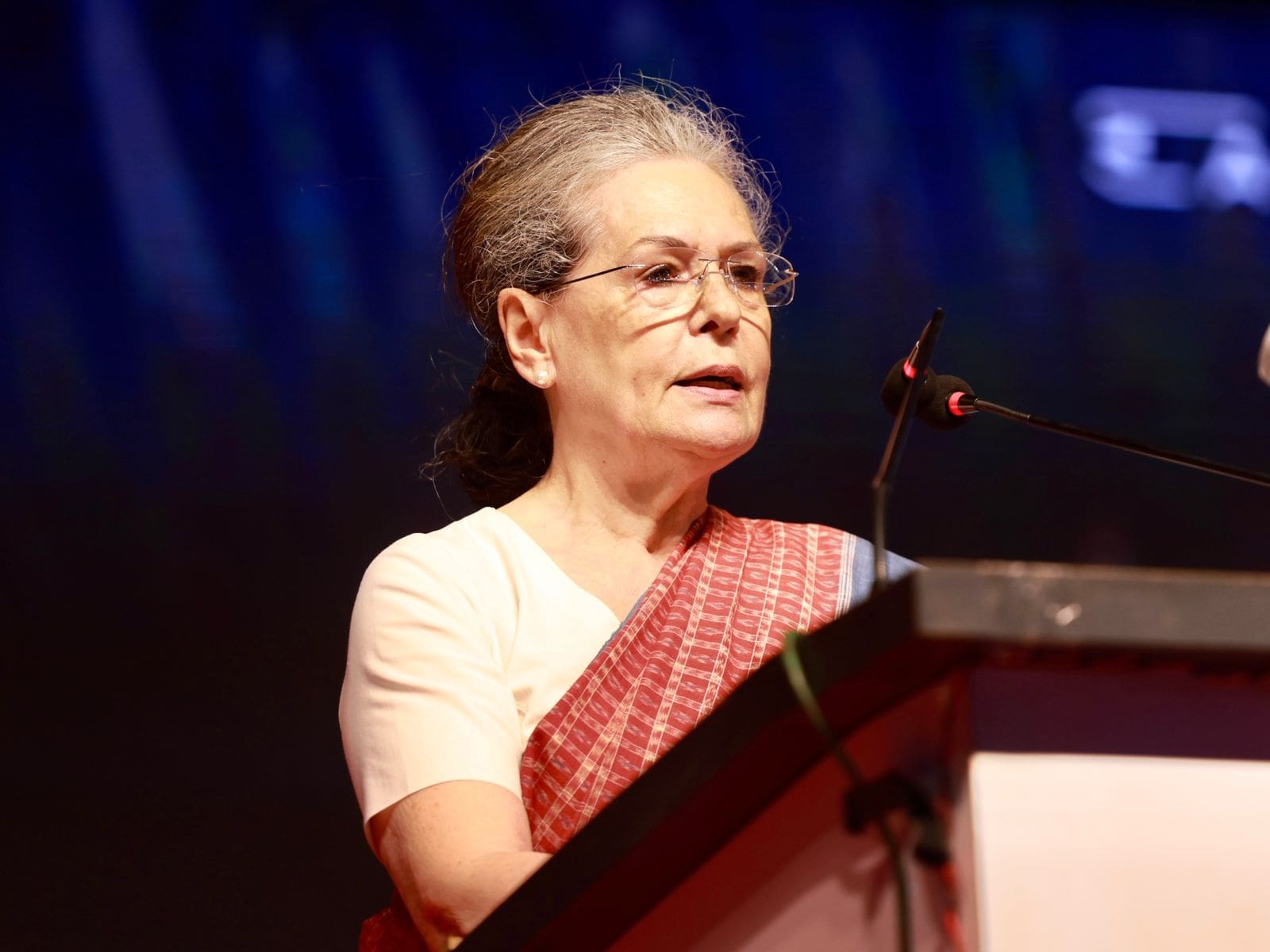
Sonia Gandhi has publicly addressed the Indian central government over its handling of the situation in Gaza, underscoring the urgency of immediate humanitarian assistance. Her remarks come amidst escalating conflict in the region, drawing attention to the plight of civilians affected by the violence. Gandhi’s concerns centre on the need for effective diplomatic efforts to address and resolve the ongoing crisis, advocating for a more compassionate approach towards affected individuals.

According to Gandhi, the Indian government’s current stance lacks the necessary sensitivity towards the humanitarian crisis unfolding in Gaza. She emphasised that the lives of innocent civilians should be prioritised, calling for international support and intervention to safeguard human rights. The Congress leader accused the Centre of failing to take a definitive stand that reflects India’s traditional position on such global issues.

Gandhi’s comments have incited a stark response from the ruling Bharatiya Janata Party (BJP), which dismissed her assertions as part of a broader strategy of ‘vote bank’ politics. BJP leaders accused the Congress party of exploiting the situation for electoral gain rather than genuinely engaging with the humanitarian aspects. This clash between the two political parties has intensified as the conflict in Gaza continues to unfold, leading to a surge in public discourse surrounding the issue.

Implications of Political Responses to the Gaza Crisis

The political divide in India regarding international crises like that in Gaza underscores the broader implications of foreign policy on domestic politics. While Gandhi argues for stronger humanitarian action, the BJP maintains that the Congress party is leveraging the situation to galvanise support amongst certain voter demographics. This contention raises questions about the intersection of humanitarian concerns and political ambition, reflecting a complicated landscape in which national positions on international issues are frequently scrutinised.

Critics of the current government’s approach argue that a principled foreign policy should stem from humanitarian considerations, asserting that India has a responsibility to advocate for peace and human rights globally. Conversely, supporters of the BJP assert that foreign policy decisions should align with national interest without the influence of external opinions or pressures. This debate resonates with various segments of the Indian population, highlighting divergent approaches to governance and international diplomacy.

The ongoing conflict in Gaza continues to evoke strong sentiments among citizens, which could potentially influence public opinion in the lead-up to forthcoming elections. The responses from both Congress and the BJP illustrate the way in which international events can become pivotal issues in domestic policy discussions. As the situation evolves, the actions and statements by Indian leaders are likely to reflect the public’s perceptions and sentiments regarding the accountability of their government in addressing global humanitarian crises.

Response from the International Community

International reactions to the ongoing violence in Gaza have prompted various governmental and non-governmental organisations to call for a ceasefire and human rights protection measures. Many countries and global entities have urged for diplomatic solutions to be prioritised over military engagement. India’s response, amidst its complex political landscape, may influence how the country is viewed on the international stage in terms of its commitment to humanitarian principles.

The evolving situation in Gaza serves as a reminder of the intricate connections between international conflicts and domestic political discourse. The upcoming actions of both Congress and the BJP will be closely monitored by both the electorate and international observers. This situation continues to engage a wide array of stakeholders in dialogue about humanitarian responsibilities and the role of national leadership in times of crisis.

As the conflict persists, it remains imperative for political leaders to address humanitarian concerns while considering the implications for national and international relations. The discourse initiated by Sonia Gandhi and the BJP encapsulates ongoing tensions and sets the stage for a broader discussion on India’s role in advocating for peace and human rights globally.

Long or Short, get news the way you like. No ads. No redirections. Download Newspin and Stay Alert, The CSR Journal Mobile app, for fast, crisp, clean updates!

App Store –  https://apps.apple.com/in/app/newspin/id6746449540 

Google Play Store – https://play.google.com/store/apps/details?id=com.inventifweb.newspin&pcampaignid=web_share

Latest News

Popular Videos
