


Solar Eruption Causes Radio Blackout Across North America
The CSR Journal Magazine

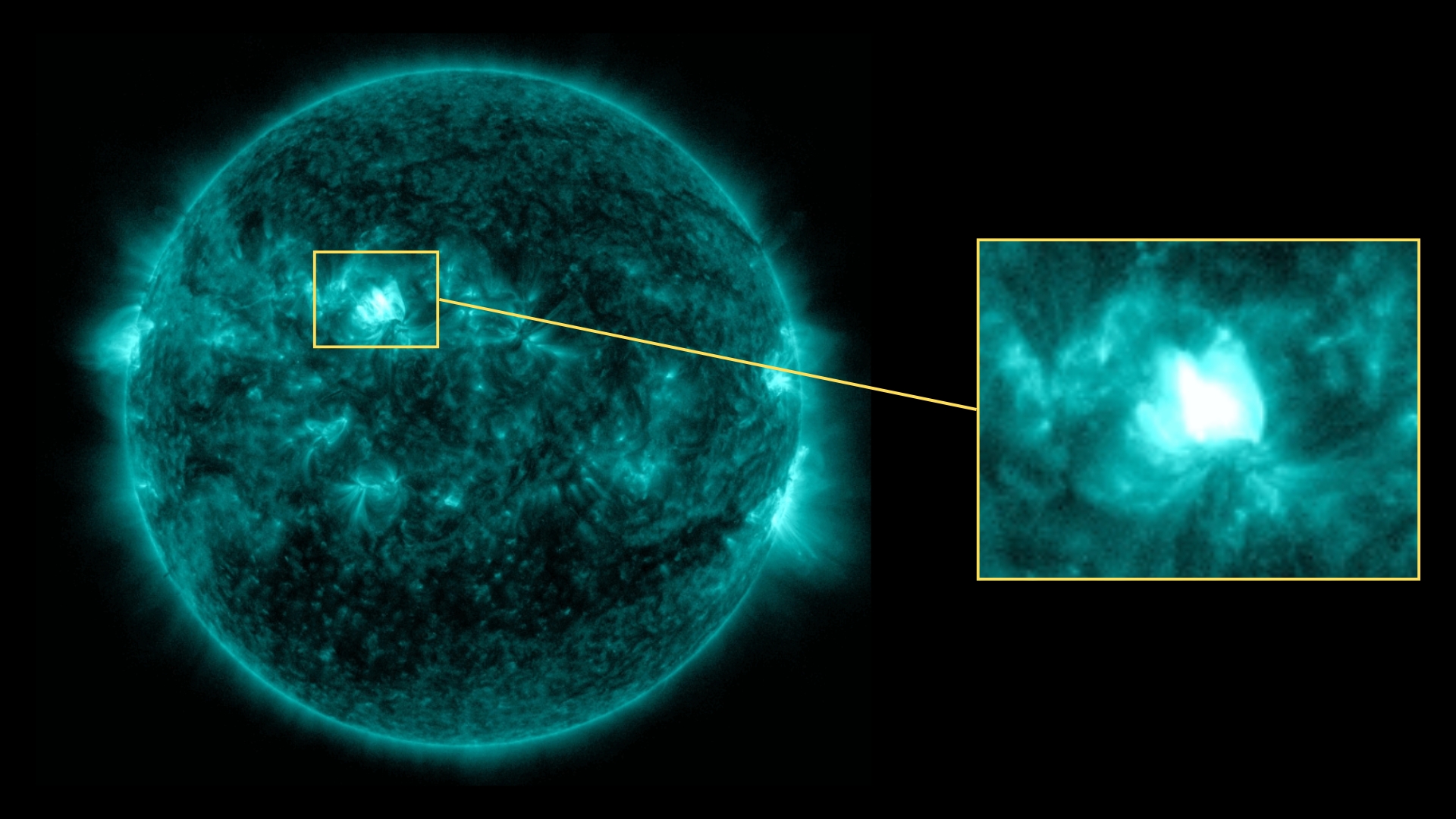
A recent eruption from the Sun has led to a radio blackout in various regions of North America and parts of the Pacific Ocean. This event is a consequence of a significant solar flare that occurred on June 30, 2026, originating from sunspot 4479. The flare has had immediate repercussions on Earth’s atmosphere, as reported by space weather monitoring agencies.

The solar flare emitted a burst of extreme ultraviolet radiation, which reportedly ionised the upper layers of Earth’s atmosphere. This disruption significantly affected high-frequency (HF) radio communications, particularly across North America and the Pacific Ocean. The blackout was noted at approximately 2:20 a.m. IST, impacting frequencies below 25 MHz, which are frequently used by mariners, aviators, and amateur radio operators.

Although the blackout was of short duration, the focus now shifts to the subsequent massive coronal mass ejection (CME) that followed the flare. The CME is described as a substantial cloud of magnetised plasma ejected into space from the Sun, which may pose further challenges to communication systems as it heads towards Earth.

Forecasting the Arrival of the CME

Coronagraph images indicate that the recent eruption generated a full-halo CME, suggesting its trajectory is aimed almost directly at Earth. According to forecasts from NASA and the US National Oceanic and Atmospheric Administration (NOAA), the CME is expected to arrive between early and late July 2, though the precise timing remains uncertain. NASA’s models project a later arrival while NOAA suggests an earlier onset on the same day.

As the CME approaches, space weather forecasters warn of the potential for a geomagnetic storm ranging from G2 (Moderate) to G3 (Strong) levels. These storms manifest when charged particles from the Sun interact with the Earth’s magnetic field, which can lead to disruptions in various systems.

The impact of such storms may extend to satellite operations, navigation through GPS systems, radio communications, and even power transmission networks. Airlines operating in polar regions could also face temporary communication outages due to these solar events, indicating significant implications for air travel safety.

Increased Solar Activity and Its Effects

This solar event occurs during a period marked by elevated activity as the Sun progresses through the peak of Solar Cycle 25, an approximately 11-year cycle characterised by increased solar phenomena. Scholars have reported a noticeable uptick in the occurrence of sunspots, solar flares, and CMEs over the past year, leading to a heightened frequency of space weather incidents.

In addition to communication disruptions, these geomagnetic storms can create visually stunning auroras, potentially pushing the Northern Lights further south than usual, offering a unique spectacle for many regions that typically do not enjoy such phenomena. As the scientific community continues to observe the incoming CME, experts will remain vigilant over the next 48 hours.

Space agencies and meteorological centres globally are closely monitoring this situation to assess not only the timing of the CME’s arrival but also potential ramifications for technology and travel. The collaborative efforts aim to ensure that any adverse effects on communication and navigation systems are minimised as much as possible.

Long or Short, get news the way you like. No ads. No redirections. Download Newspin and Stay Alert, The CSR Journal Mobile app, for fast, crisp, clean updates!

App Store –  https://apps.apple.com/in/app/newspin/id6746449540 

Google Play Store – https://play.google.com/store/apps/details?id=com.inventifweb.newspin&pcampaignid=web_share

Latest News

Popular Videos
