


Shipowners Remain Wary of Strait of Hormuz Despite US-Iran Agreement
The CSR Journal Magazine

Shipowners carrying critical cargo, including urea and liquefied petroleum gas shipments bound for India, remain cautious about using the Strait of Hormuz despite the recent US-Iran agreement aimed at ending hostilities. Industry experts said concerns over elevated war risk insurance premiums and crew safety continue to deter many operators from resuming normal transit through the strategic waterway.

The agreement announced on June 15 is a Memorandum of Understanding rather than a formal peace treaty. It initiates a 60-day negotiation period and extends the ceasefire for the same duration, with Iran agreeing to reopen the Strait of Hormuz and the United States lifting its blockade of Iranian ports.

Shipping Activity Resumes Amid Continued Caution

Maritime traffic data indicate that commercial shipping activity has resumed around the Strait of Hormuz, though operators remain hesitant.

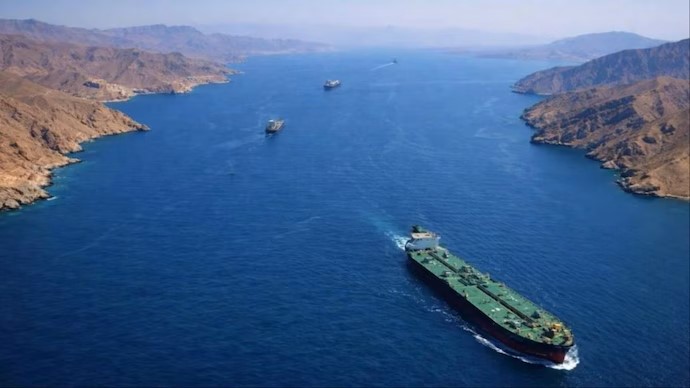
According to ship tracking and maritime intelligence firm Marine Vessel Traffic, several cargo vessels are positioned in and around the waterway, reflecting a gradual return of traffic but continued uncertainty.

Industry executives said vessel owners are prioritising predictability and operational stability rather than merely the reopening of the route.

Operators Seek Confidence, Not Just Access

Jitendra Srivastava, chief executive officer of Triton Logistics & Maritime, said the industry is focused on whether vessels can transit safely and consistently rather than whether passage is technically permitted.

He noted that while the framework agreement marks a positive development, shipowners require sustained evidence of stability before fully restoring operations through the strait.

According to Srivastava, confidence and trust remain the most important factors driving decisions in global shipping.

War Risk Insurance Costs Rise Sharply

Concerns have been amplified by a sharp increase in Additional War Risk Premiums, with costs rising between 50 per cent and 500 per cent due to geopolitical uncertainties in the region.

An S&P Global report estimated that current premiums for Medium Range tankers are around $40,000 for a seven-day transit through the Persian Gulf, four times higher than pre-conflict levels.

Chartering sources indicated that owners of some vessels have been paying between $80,000 and $120,000, while premiums for Long Range tankers have reportedly surged to approximately $250,000 from around $40,000 previously.

Legal and Safety Risks Continue to Trouble Operators

Maritime lawyer and consultant Aishwarye Dubey said safety concerns remain a major issue, particularly following recent fatalities in the region.

He also pointed to uncertainties regarding sanctions imposed by the United States Office of Foreign Assets Control, warning that vessels could face severe consequences if they are added to the sanctions list.

According to Dubey, any cargo associated with sanctioned vessels would face difficulties in securing buyers or insurance support.

Hundreds of Vessels Await Clearance

Reports citing data from commodity analytics firm Kpler suggested that nearly 600 vessels are currently stranded or waiting in the Persian Gulf for an opportunity to exit through the Strait of Hormuz.

The congestion highlights the cautious approach being adopted by shipping companies despite the ceasefire arrangement.

Industry participants said many operators are effectively waiting for greater clarity rather than rushing back into regular operations.

Multiple Factors Influencing Shipping Decisions

Experts said vessel owners are assessing a broad range of issues beyond the reopening of the waterway itself, including insurance exposure, crew safety, regulatory approvals and operational continuity.

Srivastava noted that concerns persist regarding mine clearance operations, military oversight, transit approvals and the overall functioning of systems that support global trade.

While the US-Iran agreement has eased immediate fears of disruption, shipping companies appear reluctant to return to normal operations until a more durable and verifiable peace arrangement is in place.

Long or Short, get news the way you like. No ads. No redirections. Download Newspin and Stay Alert, The CSR Journal Mobile app, for fast, crisp, clean updates!

App Store –  https://apps.apple.com/in/app/newspin/id6746449540 

Google Play Store – https://play.google.com/store/apps/details?id=com.inventifweb.newspin&pcampaignid=web_share

Latest News

Popular Videos
