


Second Ebola Treatment Centre Set Ablaze in Congo, 18 Suspected Patients Escape
The CSR Journal Magazine

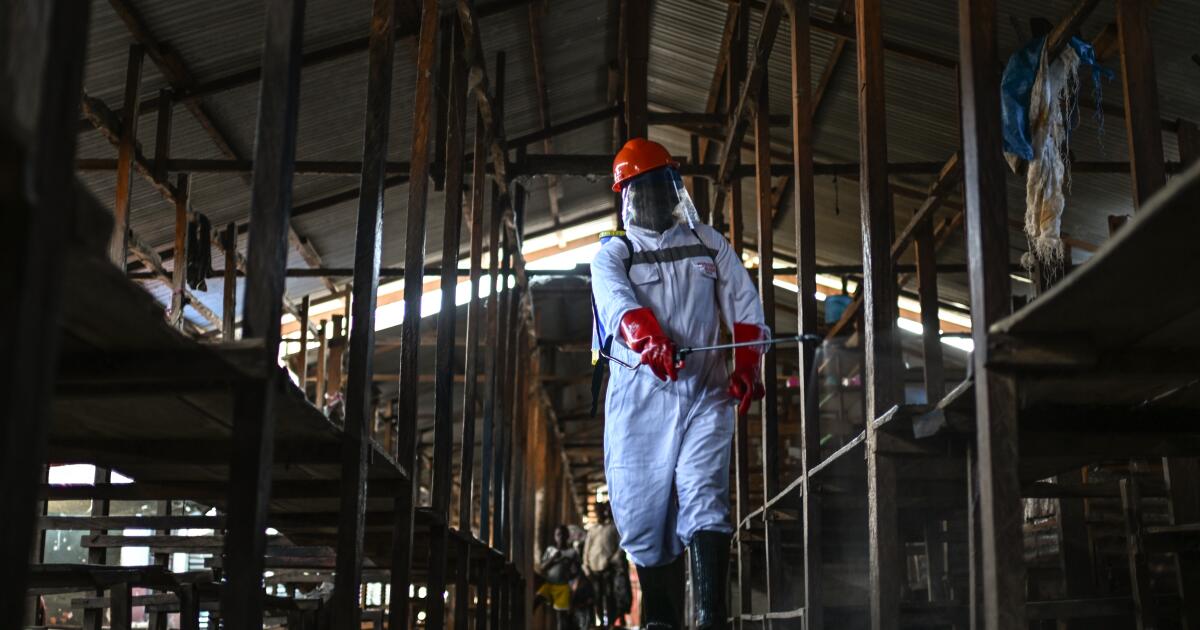
The situation in northeastern Congo is becoming increasingly tense as public fear and anger regarding the Ebola outbreak escalate into violent confrontations. Over recent days, two Ebola treatment facilities have been attacked, severely hampering efforts by health workers to contain the virus’s spread. Incidents of violence have disrupted medical services, highlighting the challenges faced by humanitarian organisations in the region.

Attack on Mongbwalu Facility

On the evening of May 20, 2026, residents in the mining town of Mongbwalu stormed an Ebola treatment centre operated by the humanitarian group Doctors Without Borders. Angered by the ongoing outbreak, they set fire to a tent used for treating patients. This destruction created panic within the facility, resulting in the escape of 18 individuals suspected of carrying the virus. Hospital officials reported that, despite no injuries being immediately noted, the escape poses a significant threat of further transmission in the local community.

Dr. Richard Lokudi, the hospital director, has condemned the attack and expressed grave concerns about the implications of missing suspected cases on public health efforts. Containment strategies are now at risk, as the escapees could potentially infect others in surrounding areas. This incident underscores the volatility of the current public health crisis in Congo.

The violent actions in Mongbwalu followed another similar incident just a day prior in Rwampara. There, a treatment centre was also set ablaze after local families attempted to recover the body of a deceased individual who was suspected to have died from Ebola. This event illustrates the rising tensions between health authorities enforcing protocols and local customs surrounding burial practices.

Challenges of Containing the Outbreak

Health authorities have highlighted that victims of Ebola remain highly infectious even after death, complicating traditional burial customs that could propagate the virus. Efforts to implement controlled burials have faced increasing resistance from residents, resulting in a rise in hostility towards health workers. In response to these incidents, authorities enacted strict restrictions across affected areas, including bans on public gatherings exceeding 50 individuals and restrictions on funeral wakes.

On May 21, 2026, health officials conducted a secure communal burial for Ebola victims in Rwampara. Armed police and military personnel were deployed to maintain order as Red Cross teams, clad in protective gear, buried sealed coffins. Family members were kept at a distance during the proceedings, underlining the stress and grief surrounding the situation.

David Basima, a Red Cross official overseeing this burial process, stated that the teams faced significant resistance from local youth groups, which necessitated requests for additional security. These incidents reflect the broader issues of community relations and trust between health authorities and local populations amid this crisis.

Global Implications of the Outbreak

The World Health Organisation has characterised the Ebola outbreak as posing a “very high” national risk, while the global threat level remains classified as low. WHO Director-General Tedros Adhanom Ghebreyesus has indicated that rates of confirmed infections and deaths are steadily rising, with the actual extent of the outbreak likely to exceed reported figures. Significant surveillance efforts are currently underway across the region to investigate hundreds of suspected cases and fatalities.

This outbreak has been associated with the rare Bundibugyo strain of Ebola, which lacks an approved vaccine. Following initial tests that focused on a more common strain, the virus reportedly circulated undetected in Ituri province for weeks. As health officials strive to manage the crisis, they continue facing considerable logistical and social challenges.

Additionally, the International Federation of Red Cross and Red Crescent Societies reported the deaths of three volunteers in Mongbwalu who contracted the virus while engaged in humanitarian work. This unfortunate development suggests that the outbreak may have been active earlier than previously identified, further complicating public health responses in the region.

Long or Short, get news the way you like. No ads. No redirections. Download Newspin and Stay Alert, The CSR Journal Mobile app, for fast, crisp, clean updates!

App Store –  https://apps.apple.com/in/app/newspin/id6746449540 

Google Play Store – https://play.google.com/store/apps/details?id=com.inventifweb.newspin&pcampaignid=web_share

Latest News

Popular Videos
