


Scientist Constructs 200 Hotels For Bees, Transforming Understanding Of Pollinators
The CSR Journal Magazine

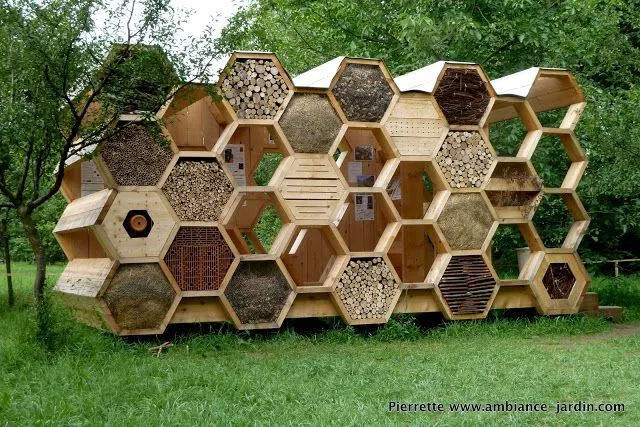
A scientist has established two hundred hotels specifically designed for bees, aiming to create an environment that supports the health of these vital pollinators. This initiative began three years ago as a project intended to enhance biodiversity and provide a habitat conducive to the thriving of various bee species. The hotels are strategically placed in different ecological zones to attract a diverse range of pollinators and study their behaviours in a controlled setting.

Findings From The Bee Hotels

Three years into the project, the scientist has collected a significant amount of data that has led to a deeper understanding of the interactions among different bee species. Initial findings indicate that the hotels have attracted numerous species that were previously thought to be in decline or even endangered. The hotels serve not only as a refuge but also as a centre for observation, allowing for unprecedented insights into the daily activities and community dynamics of the bees.

Moreover, the research team reported that the presence of these hotels has contributed to increased pollination in nearby flora, further emphasizing the critical role bees play in ecosystems. Pollination contributes directly to food production and the health of habitats, showcasing the interdependence of species within an environment. The scientist’s observations have prompted a reevaluation of bees’ roles in their ecosystems and highlighted the importance of providing suitable habitats for their survival.

The project has also revealed that certain hotels attracted specific species, indicating the need for targeted conservation efforts. The structural design of these hotels was varied to cater to different species, which has proven effective in sustaining diverse bee populations. This aspect of the research may influence future conservation strategies aimed at preserving not just bees, but also the plants they pollinate.

Implications For Biodiversity

The implications of this research extend beyond bees alone, as it casts light on broader issues of biodiversity. The success of the bee hotels demonstrates that small ecological interventions can produce significant benefits for various species within an ecosystem. This discovery is pivotal, especially in the context of ongoing biodiversity loss due to urbanisation, chemical pesticide use, and habitat destruction. The findings underscore the necessity for community-led conservation initiatives, which can have large-scale positive effects on the environment.

In addition to theoretical insights, the scientist’s work encourages community engagement. Local individuals have been inspired to participate in creating their own bee hotels, providing a grassroots approach to conservation. As the initiative gains traction, educational programmes are being developed to raise awareness about the importance of pollinators and their ecosystems. This community involvement could lead to a new paradigm in conservation, where the public plays a crucial role in preserving biodiversity.

Through these initiatives, there is potential for enhancing public appreciation of the vital roles that pollinators play in food security and ecosystem health. By fostering a culture of support for pollinator habitats, the scientist hopes to cultivate a more informed populace that prioritises ecological balance.

Future Directions

Looking ahead, the scientist aims to refine the hotels further, based on ongoing research outcomes and feedback from participating communities. Plans are underway to expand the project to different geographical areas, allowing for a wider variety of species to be studied and a greater impact on local biodiversity initiatives. Additionally, information gathered during this study will contribute to academic literature, enhancing the scientific community’s understanding of pollinator behaviour and conservation.

The project serves as a pioneering model for similar conservation efforts worldwide. It not only highlights the need for preserving bee populations but also illustrates the interconnectedness of all species within an ecosystem. As more data is compiled, the scientist anticipates a shift in conservation practices that will benefit both local and global environments.

Long or Short, get news the way you like. No ads. No redirections. Download Newspin and Stay Alert, The CSR Journal Mobile app, for fast, crisp, clean updates!

App Store –  https://apps.apple.com/in/app/newspin/id6746449540 

Google Play Store – https://play.google.com/store/apps/details?id=com.inventifweb.newspin&pcampaignid=web_share

Latest News

Popular Videos
