


Rajasthan Faces Severe Water Crisis Amidst Heatwave and Power Cuts
The CSR Journal Magazine

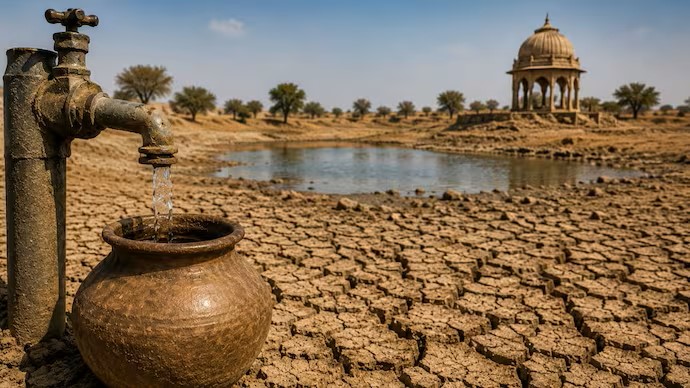
The current situation in Rajasthan is dire, as the state grapples with a significant water crisis, accentuated by frequent power outages. Residents of Jaipur and other affected areas have expressed their frustrations through large-scale protests demanding clean drinking water. The demonstrations have intensified with allegations that contaminated water is being supplied to various localities.

On Monday, numbers in the thousands took to the streets of Jaipur, with protesters calling for immediate rectification of the water supply issues. Areas such as Vidyadhar Nagar, Jhotwara, and Jalupura have been highlighted as experiencing severe contamination. Former cabinet minister Pratap Singh Khachariyawas spearheaded a march towards Jal Bhawan, where demonstrators laid siege to the facility, demanding authoritative action on the water crisis.

Khachariyawas underscored the seriousness of the situation, warning that unless the government ensured clean water delivery, drastic measures would be taken. Tensions escalated when some protesters attempted to breach the Jal Bhawan gates, requiring a substantial police presence to maintain order.

Impact of Heatwave on Rural Water Supply

In Kasoda village, an overhead water tank constructed under the Jal Jeevan Mission has remained unused since its completion last year, with locals criticising the inefficiency of the Public Health Engineering Department (PHED). Residents like Raj Kumar from Anirudh Nagar have openly expressed their distress over the continuous water shortages. Similar reports are emerging from the Deeg area, where women are forced to rise early, journeying significant distances for water.

The crisis is particularly acute in Mawai village, home to approximately 4,000 residents. Without any formal water supply, women frequently wait in long queues at local wells, making their struggles manifest. Community leaders, like farmer representative Nem Singh, have described the rural water situation as extremely concerning and indicative of a broader systemic issue.

Cattle Deaths in Barmer Due to Water Scarcity

Barmer district is facing its own critical challenges as food and water shortages escalate. With maximum temperatures reaching a staggering 48.3 degrees Celsius, the consequences have been particularly devastating for local cattle. Reports indicate that over ten cows have died in Derasar village alone, attributed to severe water shortages.

The local water supply has been compromised due to the drying up of the Barmer Lift Canal, which is the primary water source for 31 villages, including Derasar. Villagers are concerned as the carcasses of deceased cattle risk the spread of infection and disease in populated areas. Despite sporadic water supply attempts by authorities, it has failed to provide consistent relief.

Villager Aziz Khan made efforts to alert the Water Supply Department regarding these critical shortages, but no tangible solution had been implemented by the following Sunday. Local leadership, including Sarpanch Arshad Rajad, expressed that the disruption in the canal’s waterflow has exacerbated the existing crisis. Following public outrage and disturbing footage showing the dead animals, officials have now begun dispatching water tankers to the afflicted villages.

Long or Short, get news the way you like. No ads. No redirections. Download Newspin and Stay Alert, The CSR Journal Mobile app, for fast, crisp, clean updates!

App Store –  https://apps.apple.com/in/app/newspin/id6746449540 

Google Play Store – https://play.google.com/store/apps/details?id=com.inventifweb.newspin&pcampaignid=web_share

Latest News

Popular Videos
