


Rahul Gandhi Criticises Modi Government’s Diplomatic Approach
The CSR Journal Magazine

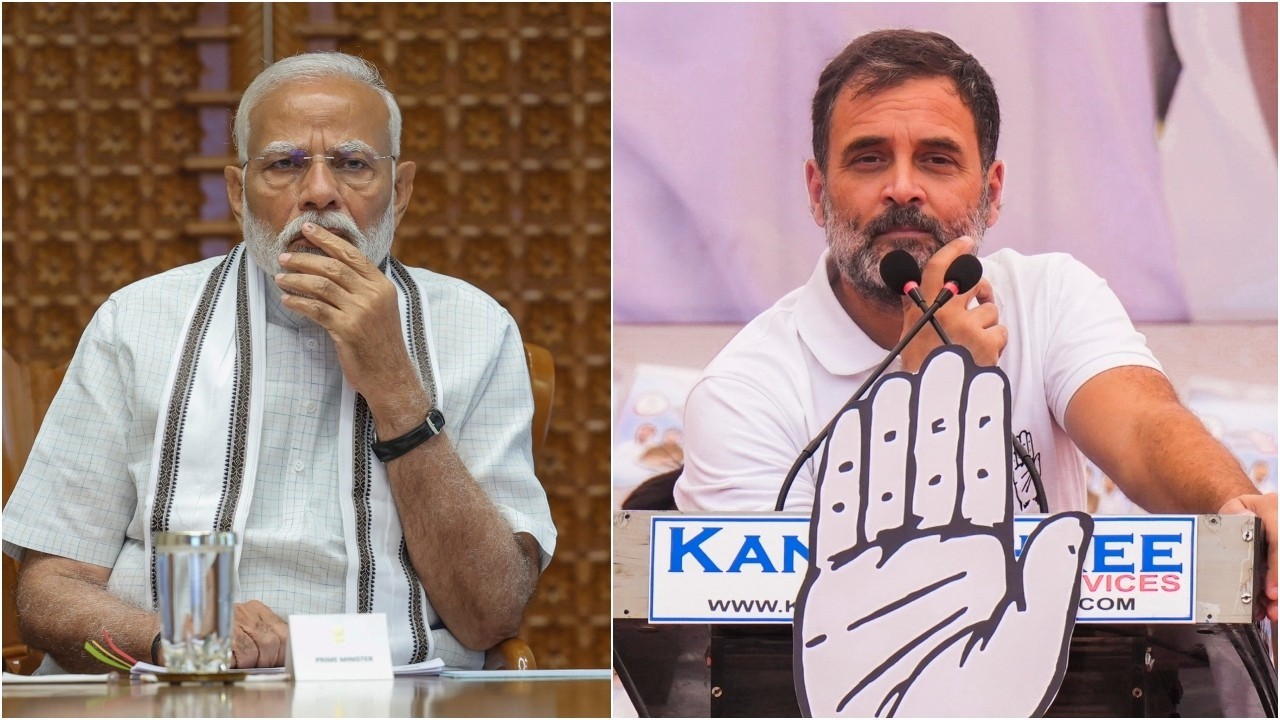
Rahul Gandhi, the Leader of the Opposition in the Lok Sabha, has expressed concerns regarding the diplomatic approach of the Modi government, suggesting that it prioritises public displays of warmth over safeguarding national interests. Speaking at the Ratchnatmak Congress National Convention on August 13, he articulated that the essence of foreign relations should focus on protecting the country rather than forming mere friendships.

Gandhi recounted a childhood experience during a visit to the United States while his grandmother, Indira Gandhi, served as Prime Minister. He shared an anecdote regarding a state dinner that highlighted the often perceived superficiality in diplomatic practices. “I don’t know who instilled this idea that foreign policy is all about hugging politicians,” he remarked, emphasising the need for serious engagement.

He elaborated on his experiences, describing how, at the age of twelve, he accompanied his family during a visit to America. Upon returning from the official dinner, his grandmother commented on the interaction with then-First Lady Nancy Reagan, pointing out that such diplomatic encounters may lack depth and genuine understanding.

Diplomatic Engagement Beyond Friendships

In his address, Gandhi stressed that the role of an Indian Prime Minister extends beyond visiting friends, stating, “This role is not about forming friendships; it is about protecting the nation.” He asserted that successful diplomacy requires more than warmth and friendliness, underscoring the necessity for leaders to focus on the complexities and obligations that come with their positions.

The Congress leader also aimed to draw attention to the current state of the Rashtriya Swayamsevak Sangh (RSS), alleging a significant transformation away from its historical base. He claimed that the RSS has shifted its original identity, which he associatively linked to small-scale Indian businessmen and goldsmiths, to become an apparatus operating in the interests of large capital.

According to Gandhi, the original spirit of the RSS has been diluted, stating, “The RSS as an original force is dead.” He articulated that the organisation, which once represented the interests of small traders, is now perceived as an instrument serving bigger economic interests. This shift, he believes, poses a real concern for Indian society and politics.

Political Movements and Understanding Modern India

Gandhi posited that political movements must engage with present-day realities rather than tethering themselves to historical narratives. He contended that any political entity that fails to grasp contemporary societal issues is fundamentally disconnected from the essence of India today. “To understand India, one must engage with its current expressions rather than dwell on its past,” he stated.

This statement seemed to reflect Gandhi’s broader vision for political discourse in the country, where understanding modern dynamics is crucial for any party seeking relevance. He further suggested that awareness and comprehension of current social and economic conditions are essential for effective governance.

The discourse at the convention illuminated key aspects of Gandhi’s perspective on national politics and foreign relations. He reiterated that a leader’s responsibility goes beyond superficial interactions, demanding a deep understanding of both domestic and international environments. His remarks have reignited discussions regarding the nature of India’s evolving diplomatic strategy and the role of key political organisations in shaping public policy.

Long or Short, get news the way you like. No ads. No redirections. Download Newspin and Stay Alert, The CSR Journal Mobile app, for fast, crisp, clean updates!

App Store –  https://apps.apple.com/in/app/newspin/id6746449540 

Google Play Store – https://play.google.com/store/apps/details?id=com.inventifweb.newspin&pcampaignid=web_share

Latest News

Popular Videos
