


Rahul Gandhi Claims Home Minister Approved Shooting of Students in Parliament
The CSR Journal Magazine

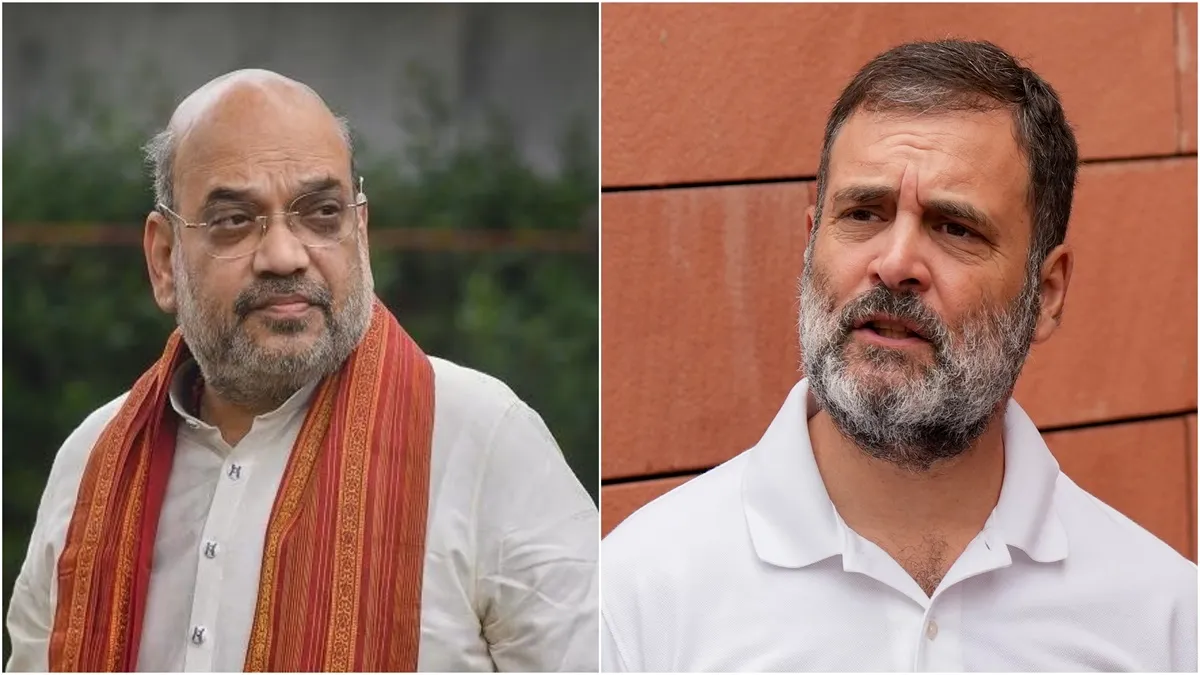
During a recent session in Parliament, Rahul Gandhi asserted that the Home Minister sanctioned the shooting of students during an incident. This claim has sparked widespread attention and debate among the political circles in India. The assertion was made in the context of increasing tensions regarding law enforcement actions in student protests across the country.

Gandhi’s remarks were delivered amid ongoing discussions about the government’s approach to handling dissent, particularly in educational institutions. The specific event referenced by Gandhi relates to recent protests that escalated, leading to the deployment of security forces. His statements were part of a broader critique of the administration’s treatment of student movements.

The statement raises serious questions regarding the protocol and justification for the use of force by security personnel in civilian demonstrations. It underscores the ongoing discussion about the limits of state power in managing public protests and the rights of citizens to express dissent.

Kiren Rijiju Calls for a Formal Apology

In response to Rahul Gandhi’s claims, Kiren Rijiju, the current Home Minister, has demanded an apology from the opposition leader. Rijiju has categorically denied the allegations, labelling them as baseless and inflammatory. He asserted that no such authorisation was granted and called for responsible discourse in Parliament.

Rijiju’s rebuttal signifies the government’s position on the matter and reflects an increasing rift between the ruling and opposition parties. His call for an apology is also seen as part of a broader strategy to counter criticisms regarding the handling of protests and public dissent. The minister has emphasised the importance of maintaining order while respecting citizens’ rights.

This incident highlights the ongoing tensions within Indian politics, particularly concerning issues of governance, law enforcement, and civil liberties. The demand for accountability from the government juxtaposed against claims of repression from opposition leaders creates a complex narrative that continues to evolve.

Political Implications and Ongoing Debate

The exchange between Gandhi and Rijiju has intensified discussions regarding the accountability of government officials in crisis situations. The implications of such serious allegations could have far-reaching consequences for both parties as they navigate the charged political atmosphere in the country. Observers note that the debates concerning governmental authority and students’ rights are likely to shape political discourse in the coming months.

Furthermore, this incident may influence public perception of the government in handling dissent. It emphasises the delicate balance that must be maintained between maintaining public order and safeguarding democratic freedoms. The political ramifications could extend beyond the current session, potentially impacting future legislative initiatives and public policy related to education and civil rights.

As the situation develops, stakeholders from various sectors, including legal experts and human rights advocates, are likely to weigh in on the unfolding events. Calls for transparency and accountability from the government could lead to increased scrutiny of law enforcement practices amid ongoing protests across various regions.

Long or Short, get news the way you like. No ads. No redirections. Download Newspin and Stay Alert, The CSR Journal Mobile app, for fast, crisp, clean updates!

App Store –  https://apps.apple.com/in/app/newspin/id6746449540 

Google Play Store – https://play.google.com/store/apps/details?id=com.inventifweb.newspin&pcampaignid=web_share

Latest News

Popular Videos
