


OIC Condemns Deadly Pakistan Train Attack, Reaffirms Support Against Terrorism
The CSR Journal Magazine

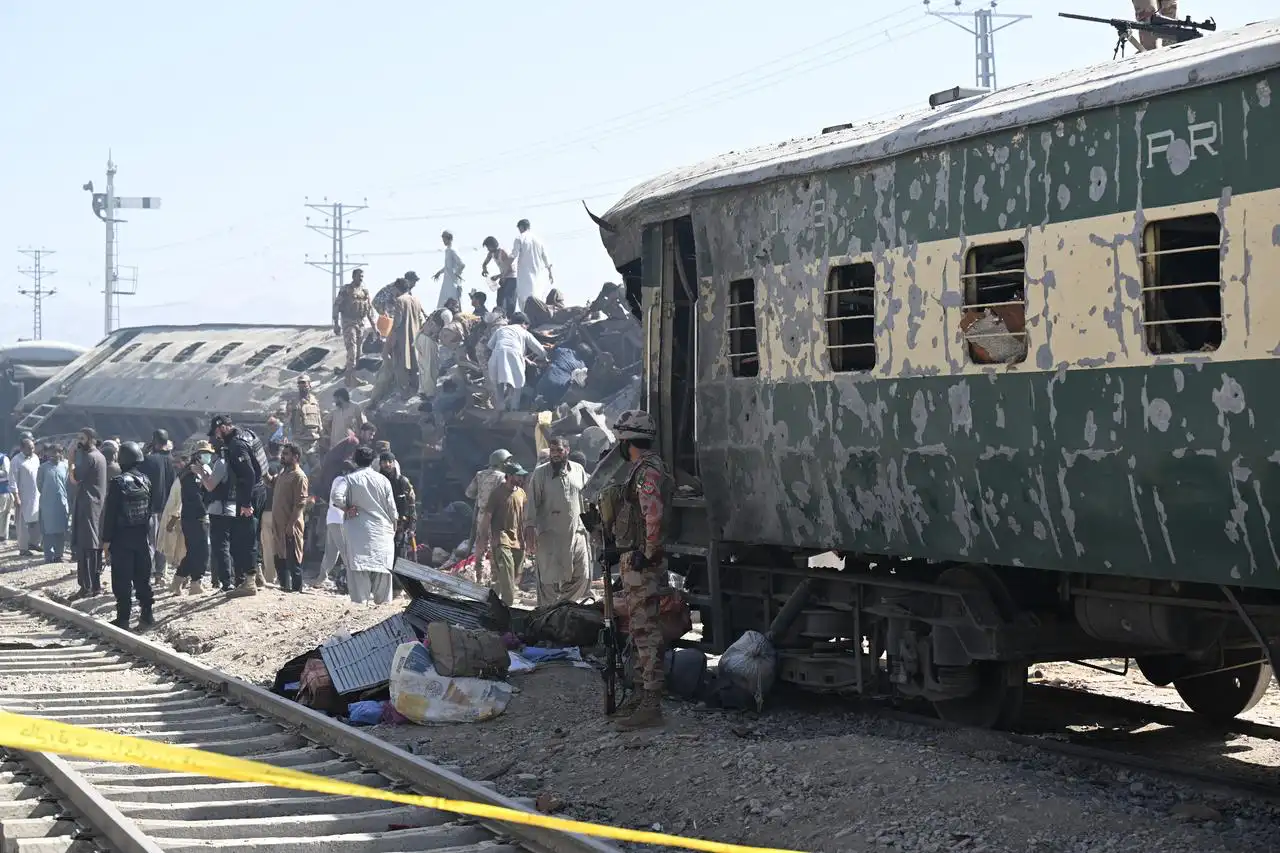
The Organisation of Islamic Cooperation (OIC) has condemned the recent deadly attack on a train in Pakistan. According to a statement, the OIC’s General Secretariat expressed its firm stance against terrorism and extremism in all their forms. The organisation extended condolences to the Pakistani government, the people affected, and the families of the victims, while wishing those injured a swift recovery.

The statement underscored OIC’s unwavering support for Pakistan in its efforts to combat terrorism and maintain its security and stability. This incident has heightened concerns regarding the ongoing challenges faced by Pakistan in addressing security threats, particularly from extremist groups.

Details of the Attack

The Baloch Liberation Army (BLA) has reportedly claimed responsibility for the train attack, alleging that it resulted in the deaths of 82 military personnel and injuries to over 121 others. However, the official reports from Pakistan indicate a lower casualty count, with 24 deaths being reported by local media. The discrepancy in figures highlights the complexity surrounding the incident and its aftermath.

According to the BLA, the attack was carried out by a unit of its organisation known as the Majeed Brigade. The group characterised the operation as “highly complex, organised, and joint,” indicating a level of planning and coordination. Their spokesperson, Jeeyand Baloch, confirmed that the targeted train was specifically a military shuttle transporting personnel from Quetta Cantonment to the Jaffar Express, a major rail service.

The group further alleged that the deaths included junior commissioned officers, non-commissioned officers, and various ranks of soldiers from multiple military units, which included the Frontier Force Regiment and the Baloch Regiment, among others. This suggests that the operation aimed not only at inflicting casualty but also at undermining military confidence and morale.

Security Implications and Response

The BLA identified the alleged attacker as Bilal Shahwani, also known as Saahin, stating he served as a commander within their ranks. They claimed the incident targeted a new security protocol introduced by the Pakistani military, reportedly in response to previous attacks on military trains. This new protocol appears to have changed how military personnel access transportation, which might have been a factor in the planning of the attack.

Initial reports indicated that approximately 336 military personnel were on board the train when the explosion occurred at around 8 am near Chaman Phatak. The BLA further suggested that a significant number of armed soldiers on the train were unable to mount an effective defence following the blast, raising concerns about the preparedness and response capabilities of military personnel in transit.

In the wake of this incident, media reports from Pakistan have described the attack as an escalation of security challenges faced by the nation. Authorities have responded by increasing security along train routes, including deploying Quick Response Force personnel. However, allegations from the BLA claimed that the Pakistani state may be trying to downplay the true nature of the casualties, labelling them as civilians and thereby obscuring what they describe as a failure in security and intelligence measures.

Long or Short, get news the way you like. No ads. No redirections. Download Newspin and Stay Alert, The CSR Journal Mobile app, for fast, crisp, clean updates!

App Store –  https://apps.apple.com/in/app/newspin/id6746449540 

Google Play Store – https://play.google.com/store/apps/details?id=com.inventifweb.newspin&pcampaignid=web_share

Latest News

Popular Videos
