


NCERT to Restore Original Image of Dancing Girl in Textbook
The CSR Journal Magazine

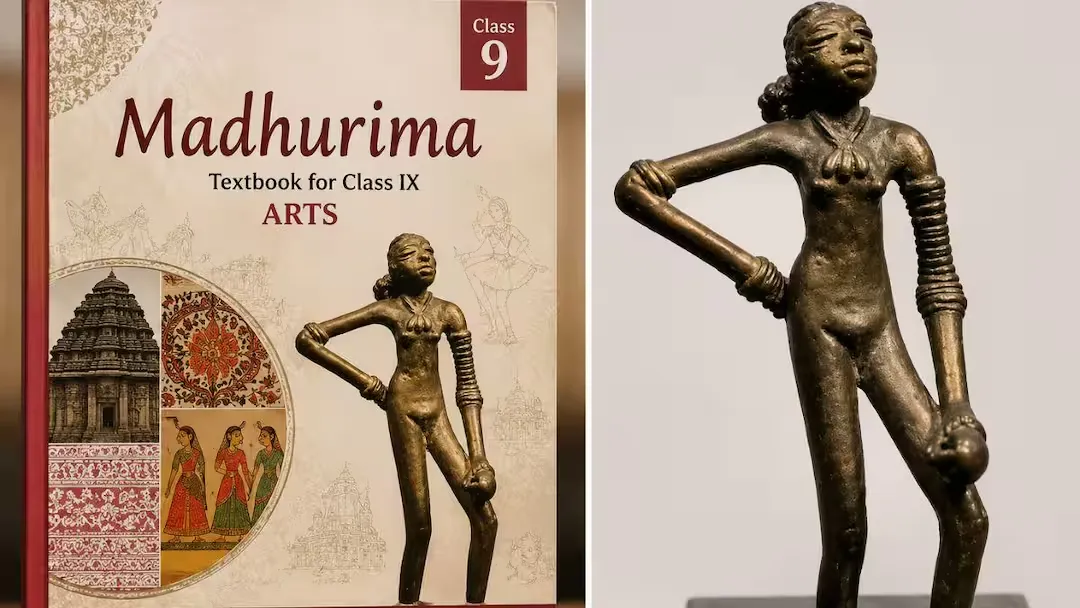
The National Council of Educational Research and Training (NCERT) has decided to revert the alteration of the image of the Dancing Girl in its Class 9 art textbook. This decision follows significant public outcry and criticism regarding the covering of the torso and groin of the 4,500-year-old bronze figure.

This statue, originating from the Indus Valley Civilisation, was meant to be a focal point in the curriculum to inspire students about ancient art. The NCERT’s initial editing has been described as overly prudish, sparking discussions on censorship and the understanding of historical artefacts.

NCERT Director Dinesh Saklani confirmed on June 16, 2026, that the original version of the Dancing Girl will be reinstated, reflecting the organisation’s commitment to educational integrity.

Historical Context of the Dancing Girl

The Dancing Girl is a significant piece of cultural heritage, highlighting the advanced craftsmanship of the ancient Sindhu-Saraswati civilisation. Made using the lost-wax casting method, this bronze statue often embodies a sense of confidence, depicted with one hand on her hip and adorned with bangles.

Despite her historical importance, reactions to the statue have ranged from admiration to controversy. Many critics have argued that altering such an image undermines its artistic value and distorts the true essence of the subject matter within the context of art history.

Observers have noted that the discussions surrounding the image reflect broader societal anxieties about sexuality, modesty, and cultural education in contemporary India. This incident underscores the delicate balance educators must maintain when addressing sensitive topics in educational materials.

Implications of the Decision

The decision to restore the original image raises questions about tactics employed by educational authorities to engage students. While some argued that censorship could capture attention, others suggested it might inadvertently draw greater scrutiny from curious students.

The NCERT’s initial choice to mask the statue’s features was reportedly intended to prevent distractions. However, it appears that this approach unintentionally invited more public interest and debate about how art is presented in classrooms.

This reversal allows for a reevaluation of how art and history should be taught, reinforcing the importance of contextual understanding and respect for cultural artifacts. As educators and students navigate these themes, the return of the unedited Dancing Girl will likely prompt further discussions on artistic integrity and educational policies.

Long or Short, get news the way you like. No ads. No redirections. Download Newspin and Stay Alert, The CSR Journal Mobile app, for fast, crisp, clean updates!

App Store –  https://apps.apple.com/in/app/newspin/id6746449540 

Google Play Store – https://play.google.com/store/apps/details?id=com.inventifweb.newspin&pcampaignid=web_share

Latest News

Popular Videos
