


UNESCO Adds Sarnath, Okefenokee And Asian Sites To World Heritage List
The CSR Journal Magazine

UNESCO recently expanded its World Heritage List by including several significant sites from Asia, the United States, and Africa during a committee meeting held in Busan, South Korea. Among the added locations are the Okefenokee Swamp in Georgia, Sarnath in India, and a historic Buddhist temple in Thailand, further showcasing the rich diversity of the list.

The meeting, which commenced on July 25, 2026, is expected to continue until July 29, with the committee reviewing numerous other nominations, including noteworthy sites like the D-Day landing beaches in France and Mount Olympus in Greece.

Environmental Significance of Okefenokee Swamp

The Okefenokee Swamp was recognised for its exceptional biodiversity and environmental importance. As one of the largest freshwater ecosystems globally, it consists of a vast network of wetlands that support a rich variety of plant and animal life while also serving as a major water source for two prominent rivers. Additionally, its largely unspoiled peat beds offer a continuous environmental record spanning 5,000 years.

Despite gaining UNESCO recognition, some local residents have expressed concerns regarding potential increased oversight from the UN in managing the swamp. Kim Bednarek, executive director of the non-profit Okefenokee Swamp Park, remarked that the designation should be viewed as a commitment to preserving the uniqueness of the ecosystem for future generations.

The inscription places this natural reserve alongside iconic landmarks such as the Grand Canyon, enhancing its global recognition while prompting local authorities to prepare for potential increases in visitor traffic.

Sarnath’s Heritage as a Sacred Site

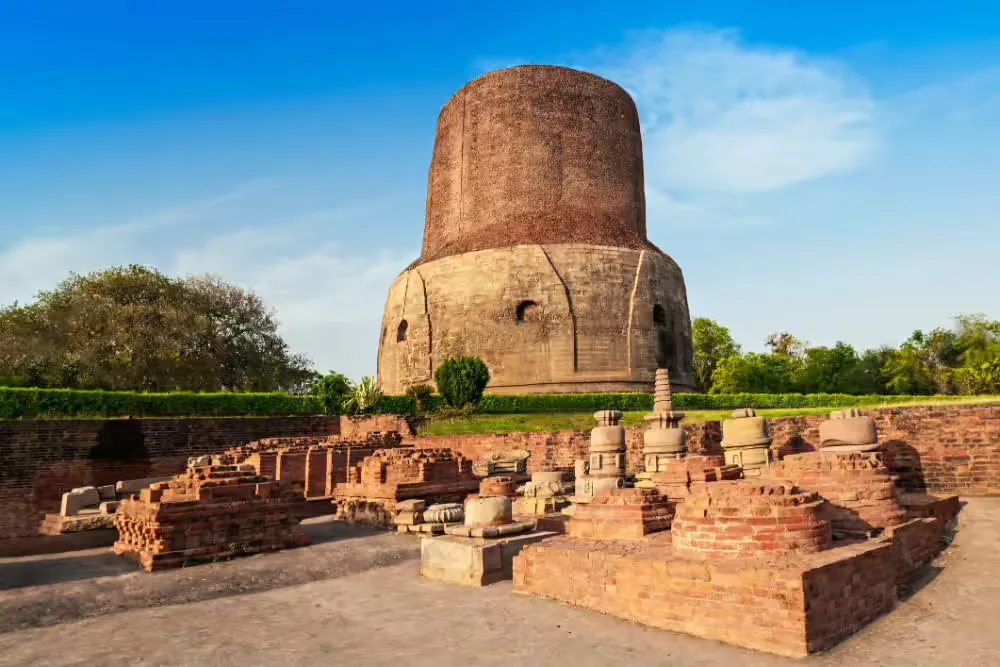
Sarnath, a historic Buddhist site located in Varanasi, was also listed as a new World Heritage site. This location is acknowledged as the sacred ground where the Buddha delivered his first sermon, holding profound architectural and archaeological significance despite various periods of decline.

UNESCO’s inclusion of Sarnath highlights its cultural importance and potential for drawing visitors interested in Buddhist history. The site continues to serve as a vibrant centre for worship and cultural practices within the Buddhist community.

In a further demonstration of international cooperation, UNESCO has expanded the World Heritage status of South Korea’s getbol tidal flats by including four additional coastal wetlands in Seosan, Goheung, Muan, and Yeosu. This extension adds to the previously inscribed sites, underscoring the need for the conservation of critical ecosystems in the Yellow Sea region.

Historic Towns and Porcelain Industry Recognition

Among the other notable additions is the recognition of historic porcelain industry sites in Jingdezhen, China. This area is noted for its production techniques and craftsmanship related to handcrafted porcelain, spanning from the 10th to the 19th centuries. UNESCO highlighted its historical significance in the context of cultural exchange methods.

Additionally, six historic towns in Comoros received their first World Heritage designation. Dating back to the 11th century, these towns are emblematic of centuries of cultural interactions across Indian Ocean trade routes, blending African, Arab, and Islamic influences into their urban fabric.

The latest entries into the World Heritage List reflect a commitment to preserving a variety of valuable cultural, religious, and environmental sites globally. The committee in Busan will continue to assess further nominations, enriching the collective heritage on an international scale.

Long or Short, get news the way you like. No ads. No redirections. Download Newspin and Stay Alert, The CSR Journal Mobile app, for fast, crisp, clean updates!

App Store –  https://apps.apple.com/in/app/newspin/id6746449540 

Google Play Store – https://play.google.com/store/apps/details?id=com.inventifweb.newspin&pcampaignid=web_share

Latest News

Popular Videos
