


More Than 900 Arrested During South Africa’s Antimigrant Protests
The CSR Journal Magazine

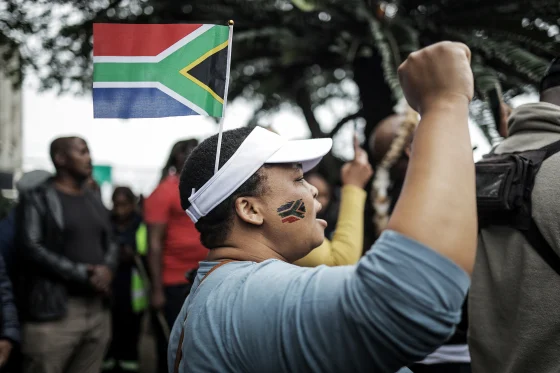
A significant number of arrests occurred across South Africa as tensions related to migration escalated during protests. More than 900 individuals were reportedly detained during events that were largely peaceful, yet experienced instances of violence, including looting and one fatality.

The demonstrations took place on July 2, 2026, and were orchestrated by over 20 civil society groups, including the March and March movement. The protests were termed as a response to a perceived “deadline” for undocumented migrants to exit the country.

According to Deputy National Police Commissioner Tebello Mosikili, 120 marches were conducted throughout the nation, with 108 being peaceful and 12 necessitating police intervention. Reasons for arrests were varied, encompassing charges such as public violence, robbery, and violations of immigration laws.

Violence and Police Response in Key Areas

The highest number of arrests was reported in the Western Cape, where 215 individuals were detained, closely followed by 208 arrests in the Eastern Cape. The protests raised significant concerns regarding undocumented migration and its effects on public services, leading to heightened tensions across various communities.

In Johannesburg’s Alexandra township, police confirmed that one person was killed amidst looting at informal shops owned by foreign nationals, known as spaza shops. Furthermore, military personnel were dispatched to the Hillbrow neighbourhood in Johannesburg after two people sustained injuries from a separate shooting incident, one of whom was a 17-year-old.

In Durban, thousands of demonstrators participated in the protests while chanting “Abahambe!” which translates to “They must go!” March and March leader Jacinta Ngobese-Zuma addressed the crowds, warning that protests would persist every Thursday until stricter border controls were enacted.

Government’s Response to Protests

In light of the unrest, President Cyril Ramaphosa convened an emergency meeting with key leaders of the protests on July 1, 2026, appealing for calm among the demonstrators. In a subsequent statement from the Presidency, Ramaphosa acknowledged the serious concerns voiced by participants regarding illegal immigration and border security.

The statement highlighted: “These concerns are real, and they deserve to be heard.” However, Ramaphosa condemned acts of vigilantism, asserting that such behaviour is incompatible with South Africa’s constitutional democracy.

Human rights activists, including representatives from Amnesty International South Africa, have voiced opposition to the treatment of migrants, arguing that they are often scapegoated for broader socioeconomic challenges, including elevated unemployment rates and delays in the asylum process.

The protests underscore the escalating issues surrounding migration in South Africa, with public sentiment increasingly reflecting frustration over economic hardships and perceived government shortcomings. The ongoing demonstrations signify an urgent call for comprehensive policy reforms regarding immigration and border management, as pressures intensify across various segments of society.

Long or Short, get news the way you like. No ads. No redirections. Download Newspin and Stay Alert, The CSR Journal Mobile app, for fast, crisp, clean updates!

App Store –  https://apps.apple.com/in/app/newspin/id6746449540 

Google Play Store – https://play.google.com/store/apps/details?id=com.inventifweb.newspin&pcampaignid=web_share

Latest News

Popular Videos
